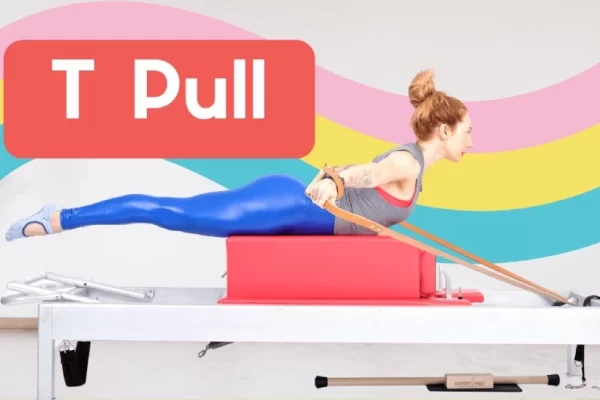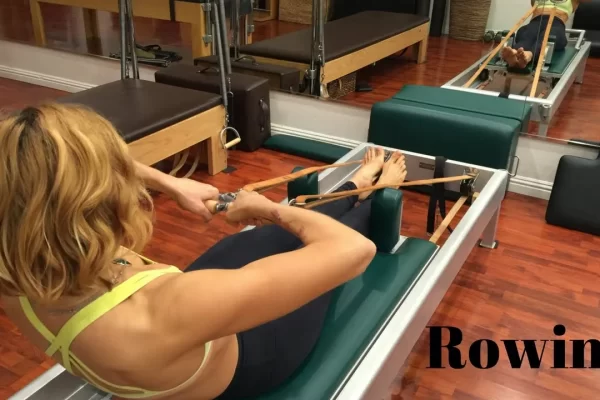


Pilates Yoga: Pilates vs Yoga? Which Should You Choose?
06/01/2026When discussing workout methods that improve physical health and mental well being, Pilates Yoga always top the list. Though they share similarities, each discipline has unique characteristics. If you’re wondering whether to choose Pilates or Yoga, and what sets Pilates apart from Yoga, explore the fascinating details in this article.
Understanding What Pilates Yoga Is
Both Pilates and Yoga are training methods that emphasize body mind connection through movements and breathing. Let’s dive into details about these two Pilates Yoga disciplines for better health right now.
Exploring Pilates
Pilates is a fitness discipline focused on physical conditioning, enhancing body flexibility and suppleness. Pilates emerged during World War I (early 20th century) and is named after its inventor, Joseph Pilates.
Originally, Pilates was designed specifically for veterans to improve skeletal structure, address spinal issues post injury, and thereby relieve mental stress.
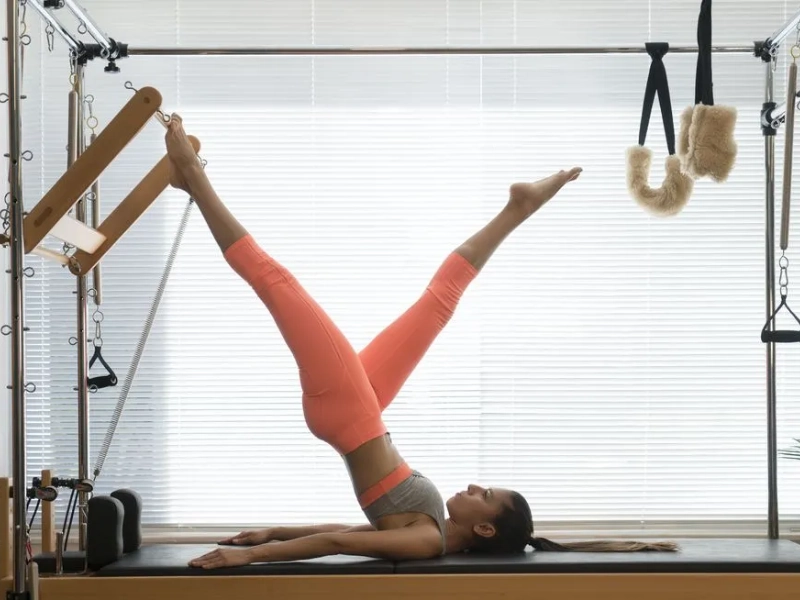
Learn about the Pilates discipline.
The key difference between Pilates and other fitness activities lies in its core muscle focus, so muscles develop firmness without excessive bulk. Pilates offers great benefits for body alignment, such as correcting turtle neck, hunchback, bowlegs, returning to balanced state.
Some Pilates Variations
Pilates is a general term, but it branches into subtypes based on accompanying equipment.
- Mat Pilates: Shares similarities with Yoga as both involve mat based exercises. Pilates mats are larger and more cushioned than Yoga mats. While Yoga emphasizes classic poses, Pilates focuses on continuous movements to activate the core. This method’s advantage is practicing anytime, anywhere.
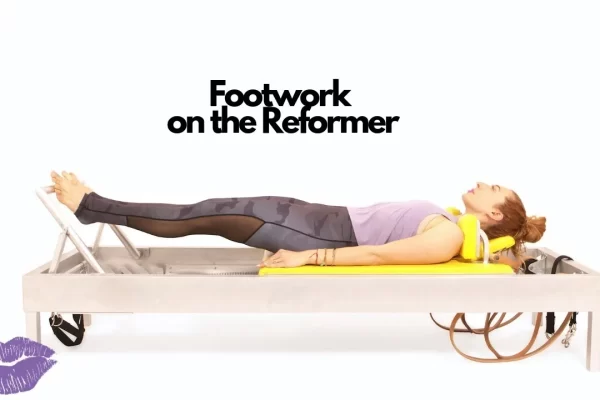
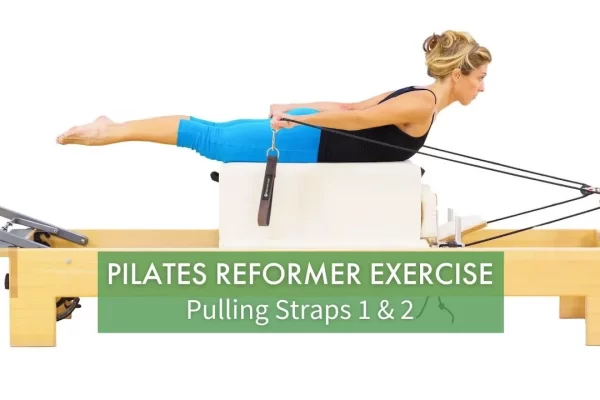
- Reformer Pilates: Exercises address spinal issues, promote quick weight loss, firm the body, boost flexibility, and develop muscles. With the machine, instructors can creatively vary workouts and adjust spring tension for different resistance levels. Thus, it suits most people.
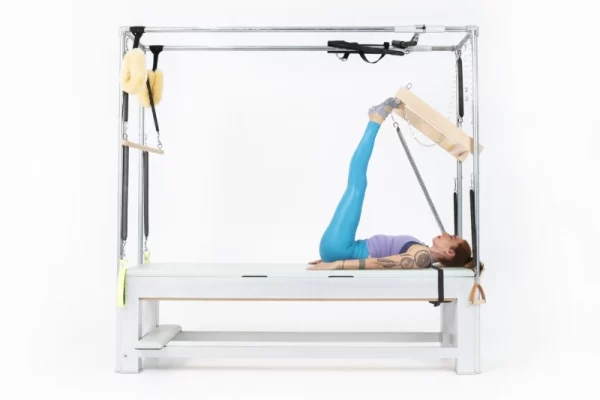
- Cadillac Pilates: Builds concentration and body flexibility. The Cadillac machine isn’t for beginners or requires close guidance and supervision. It trains the whole body, especially back, shoulders, and core muscles.
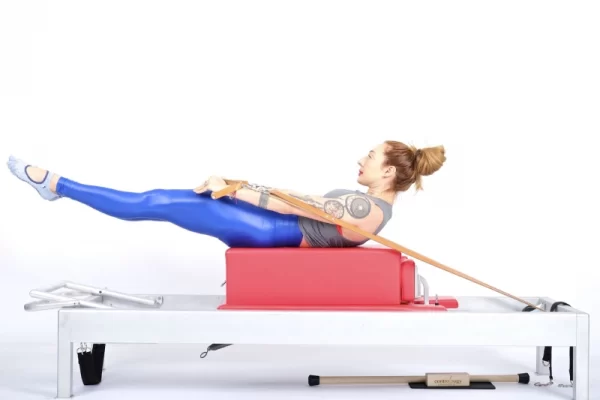
- Barrel Pilates: Ideal for those with hunchback or scoliosis, reducing pain from spinal injuries. This Pilates type strengthens the core, increases spinal flexibility and health, maintains correct postures along natural body curves, trains balance, and develops muscles.
Exploring Yoga
Yoga is a fitness discipline originating from India around 5,000 years ago by seasoned Yogis. Yogis practiced Yoga to explore and balance the seven chakras in the body and train spiritual and metaphysical powers.
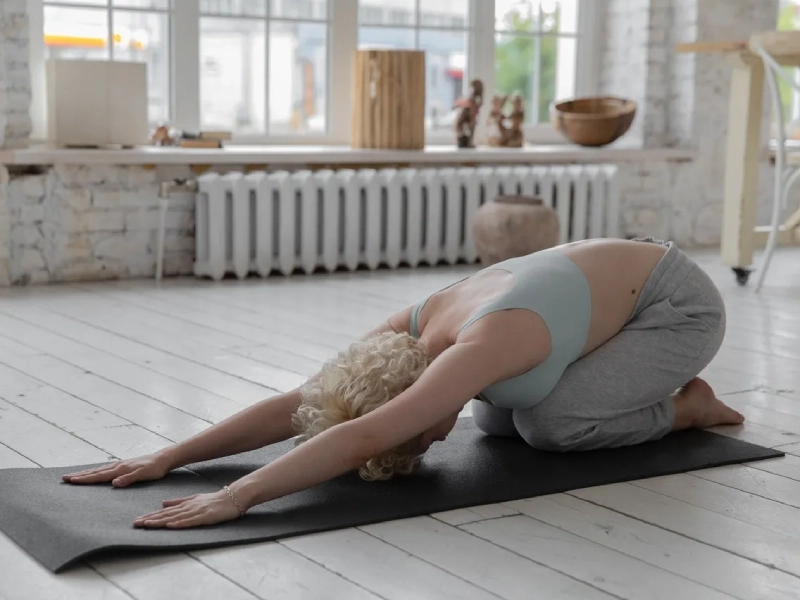
Learn about the Yoga discipline.
Yoga builds muscle endurance, focuses on concentration and mindfulness for balance through Pranayama (breathing techniques) and Asana (poses). Hence, it’s said: Yoga is dynamic meditation, meditation is static Yoga.
Some Yoga Variations
Yoga promotes mindfulness training, muscle endurance, and balance through poses and breathing techniques. Therefore, it offers various subtypes for practitioners to choose from:
- Hatha Yoga: One of the gentlest Yoga forms, ideal for beginners. Movements are slow, with short holds per pose for a few breaths.
- Vinyasa Yoga: Combines dance like fluid movements with breath. Vinyasa sessions feature fast rhythms, lots of motion, short pose holds. It elevates heart rate, improves blood circulation.
- Yin Yoga: A series of seated variations mainly targeting the upper body. Poses are held long to deeply impact connective tissues around joints. Yin Yoga aims at functional recovery and motor restoration for practitioners.
- Ashtanga Yoga: Performs a specific sequence of poses. Typically a chain of 6 poses done continuously, enhancing stability and blood flow. Restorative Yoga: Features slow movements with longer holds to boost body relaxation. Combine with props like blocks, bolsters for better results, releasing muscle tension and regaining strength.
- Hot Yoga: Studios add heating systems to raise room temperature. This increases endurance, pose intensity, and sweat to detoxify the body. Wipe down and drink plenty of water post session.
Aerial Yoga, Fly Yoga, or Antigravity Yoga: Zero gravity Yoga, hammock Yoga, or flying Yoga are popular recent variations, often for experienced practitioners or those with good balance. Benefits include reducing neck and shoulder pressure, improving core for body balance.
Similarities Between Pilates and Yoga Disciplines
Before discussing differences between the two Pilates Yoga disciplines, both train physical and mental integration. Both Pilates Yoga improve strength, flexibility, and balance.
Pilates was inspired by Yoga by Joseph Pilates, so the two share similarities:
- Both Pilates Yoga emphasize proper breathing using the diaphragm or deep abdominal breaths.
- Pilates Yoga feature stretching and flexibility moves (though varying in intensity/difficulty), enhancing flexibility, suppleness, and balance.
- Pilates Yoga excel at relieving back pain, hip pain, improving posture.
- Some Pilates Yoga exercises require similar supportive gear like mats, exercise balls.
What Sets Pilates Apart from Yoga?
Though Pilates Yoga share many similarities, they remain distinct disciplines. Here are some key differences:
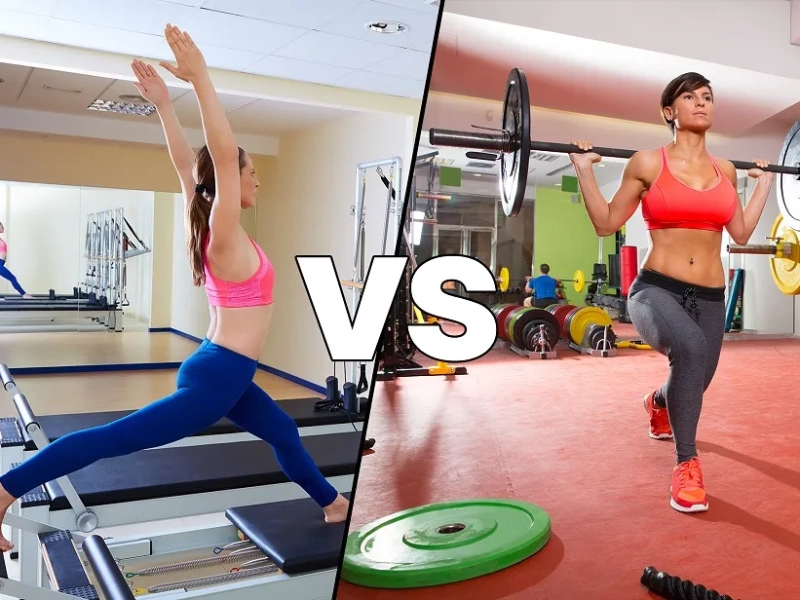
There are several differences between Yoga and Pilates.
|
Aspect |
Yoga |
Pilates |
| Origin | Originated from India around 5,000 years ago. | Developed by Joseph Pilates, a German physical trainer, in the early 20th century. |
| Goals | Focuses on balancing body, mind, and spirit. | Targets posture improvement, flexibility, core strength building, and body control. |
| Exercises | Includes poses (asanas), breathing techniques (pranayama), and meditation (dlhyana). | Features exercises combining stretches, muscle strengthening, and abdominal focus. |
| Suitable For | Fits all ages, fitness levels, and body types. | Best for those seeking core strength improvement, post injury recovery, posture correction, flexibility, and weight loss. |
| Practice Method | Typically performed on a yoga mat. | Done on mats or with specialized equipment like Cadillac, Reformer, Barrel. |
| Training Benefits | Enhances physical, mental, and overall health. | Improves posture, core strength, and flexibility. |
Does Pilates or Yoga Tone the Body Better?
In terms of body toning effects, especially early on, Pilates delivers more noticeable and faster results. Targeting central muscle groups directly, Pilates slims the waist, firms the back, lifts glutes, and enhances overall stability.
Pilates exercises control and stimulate muscle fibers, boosting strength. Thus, practitioners notice body changes after short consistent practice. Pilates highly improves posture, minimizes back, neck, shoulder pain from prolonged poor sitting.
Yoga toning happens slower, requiring patience and persistence. However, long pose holds with breath control steadily activate all body muscles. Yoga boosts flexibility, reduces tension, naturally tones via steady calorie burn.
Should You Choose Pilates or Yoga?
Overall, Yoga leans toward flexibility, suppleness, and mental relaxation. Pilates emphasizes core strength and toning. Pilates is easier to learn than Yoga. However, Yoga suits beginners better than Pilates.
Pilates Yoga are excellent health training disciplines. It’s hard to say whether Pilates or Yoga fits better. If you seek flexibility and strength gains, Pilates is the superior choice. If you want overall health improvement and greater self awareness, Yoga is what you need.
Can You Practice Both Pilates and Yoga?
Absolutely, try practicing both Pilates Yoga disciplines. This way, you gain unique benefits from each.
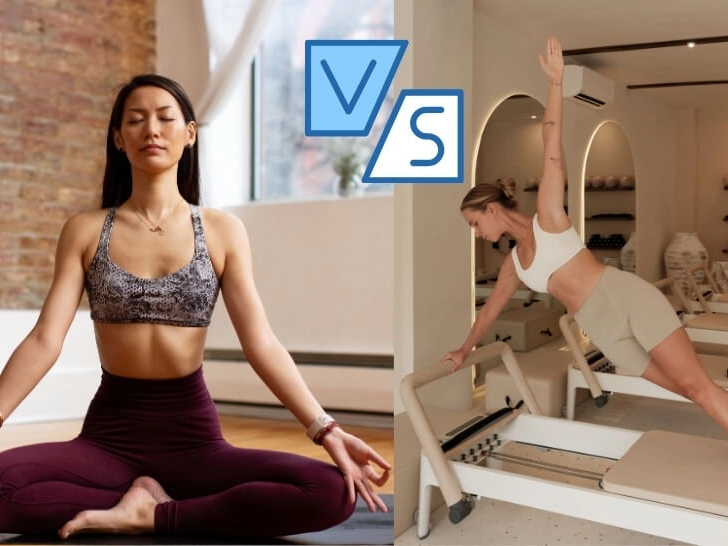
It is completely possible to practice both Pilates and Yoga.
Greater Yoga flexibility enables more Pilates movements. Conversely, strong Pilates core makes certain Yoga poses easier. Both Yoga Pilates truly complement each other.
For example, practice Pilates 2-3 sessions/week for core strength and flexibility, Yoga 2-3 sessions/week for stress relief and relaxation. This is highly beneficial!
Through this article, hopefully you have a clearer view of differences between the two Pilates Yoga disciplines Pilates Yoga. Whether choosing Pilates for control and core strength focus, or Yoga for breath soul harmony, the most important is feeling comfortable and excited with your choice. Listen to your body and mind for the best health journey decision.