

Postnatal Pilates Guide: A Complete Recovery Method for New Moms
11/12/2025After giving birth, your body requires both physical and mental recovery. Postnatal Pilates helps new moms rebuild muscle strength, improve posture, and reduce fatigue and stress. With gentle and safe exercises, Pilates is an ideal method to help mothers return to their best state. Start your· wellness journey with Pilates simple, effective, and deeply empowering.
What Is Postnatal Pilates?
Postnatal Pilates is a gentle exercise method designed to help women restore their bodies after childbirth. The exercises are created to strengthen the core muscles, pelvic floor, and overall body stability. Unlike high intensity workouts, postnatal Pilates focuses on slow, controlled movements that activate deep muscle groups, improve posture, and support the body’s natural healing process.
During the postpartum period, many women experience issues such as abdominal separation, back pain, or pelvic floor weakness. Postnatal Pilates helps address these concerns with safe exercises that precisely target areas requiring recovery. Whether practiced on the mat or the Reformer, this method provides a strong foundation for mothers to safely regain strength and flexibility.
Is Postnatal Pilates Good for You?
Postnatal Pilates also known as postpartum Pilates supports recovery after pregnancy and childbirth by increasing oxygen and blood flow to damaged tissues. These exercises are gentle and specifically tailored to help new mothers heal and rebuild strength safely.
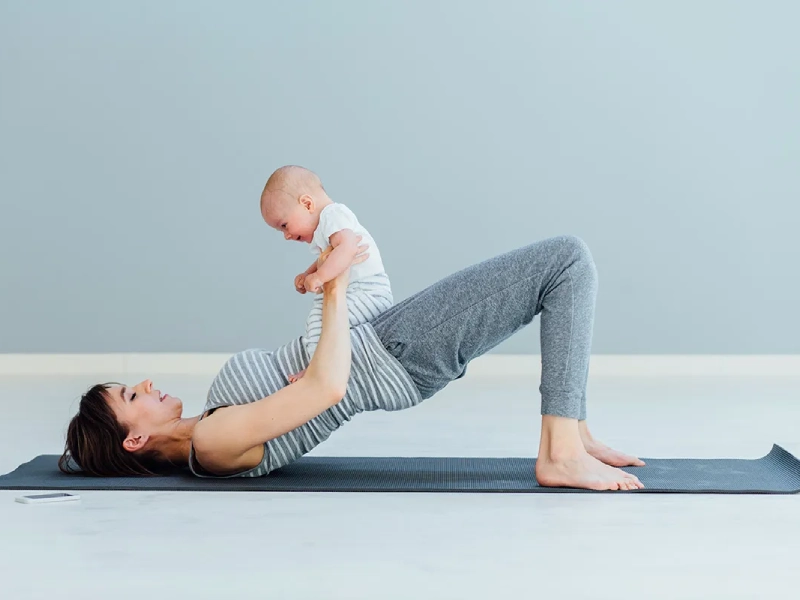
Is doing Pilates after giving birth beneficial?
Benefits of Postnatal Pilates:
- Low impact movement: Reduces pressure on the joints essential after the physical demands of pregnancy.
- Builds core strength and stability: Helps reactivate weakened core muscles.
- Prevents and reduces back pain: Strengthens muscles that support the spine, relieving strain on the back, pelvis, and hips.
- Strengthens the pelvic floor: Prevents urinary incontinence and supports natural postpartum recovery.
- Improves posture: Corrects poor posture habits that develop during pregnancy, breastfeeding, and carrying the baby.
- Reduces belly fat: Tones abdominal and oblique muscles while encouraging healthy fat burning.
- Supports mental health: Helps relieve stress, reduce postpartum fatigue, and improve sleep quality.
When Should You Start Postnatal Pilates?
The ideal time to begin postnatal Pilates depends on several factors:
Method of childbirth
- Vaginal birth: If your pregnancy and delivery were smooth, you can usually start after your 7 week postpartum checkup. Begin slowly and gradually increase intensity under the guidance of a qualified instructor.
- C-section: Recovery is more complex and may require a longer wait. Your doctor will determine the right time based on your healing progress. Typically, if you no longer feel pain and your recovery is smooth, you may begin Pilates after 7 weeks.
Complications
If you experienced complications during pregnancy or childbirth, consult your doctor or midwife before starting postnatal Pilates.

The best time to start Pilates after giving birth depends on several factors.
Important notes
- Stop immediately if you feel pain or discomfort: This may indicate starting too early or using incorrect technique.
- Work with an experienced instructor: Proper guidance ensures safety and correct posture.
- Home practice: If you cannot attend professional postnatal Pilates classes, you can follow suitable at home routines.
Postnatal Pilates Exercises for Women
Practicing Pilates on the Reformer is an effective way to regain strength and stability after childbirth. For best results and safety, work with a certified instructor experienced in postpartum bodies and their limitations.
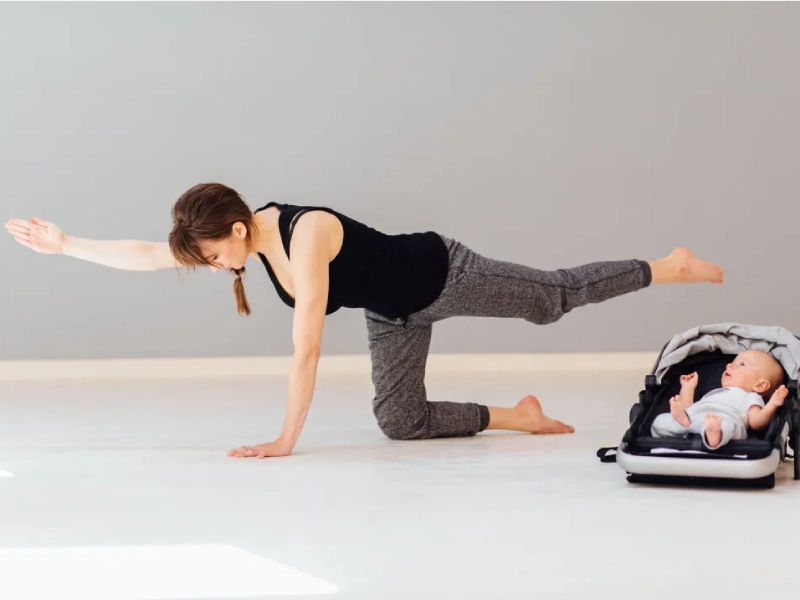
Things to keep in mind when doing Pilates after giving birth.
Effective Reformer Postnatal Pilates Exercises
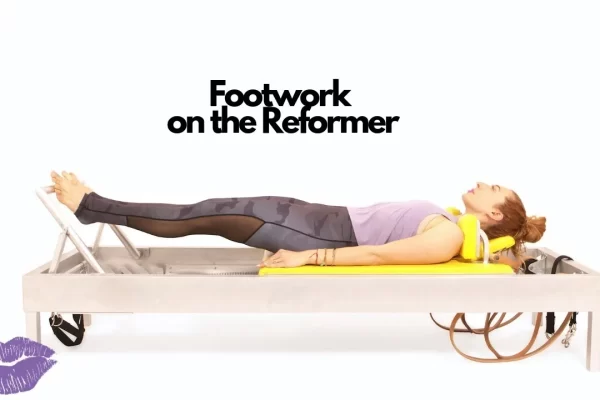
- Footwork: Improves lower body flexibility and stability.
- Arm work: Strengthens shoulders and arms.
- Frogs (leg work with straps): Builds strength and mobility in the hips and glutes.
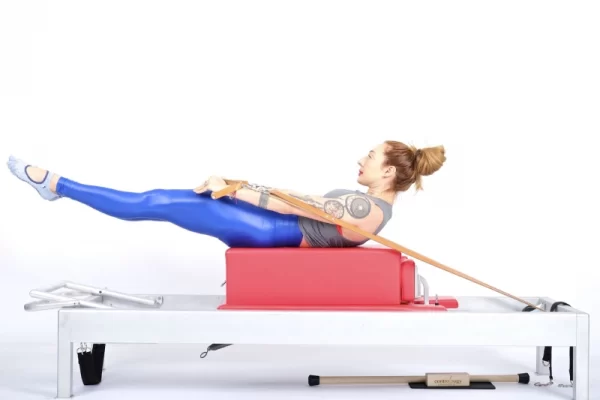
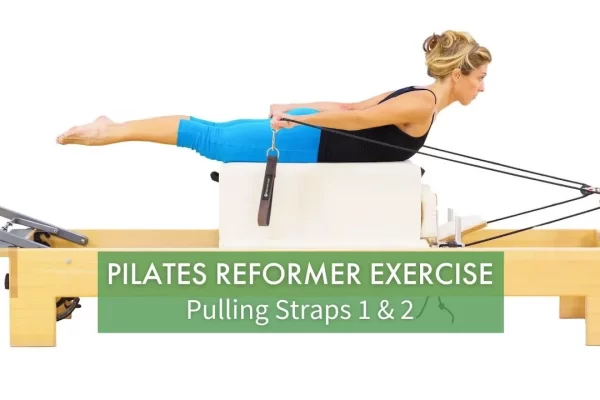
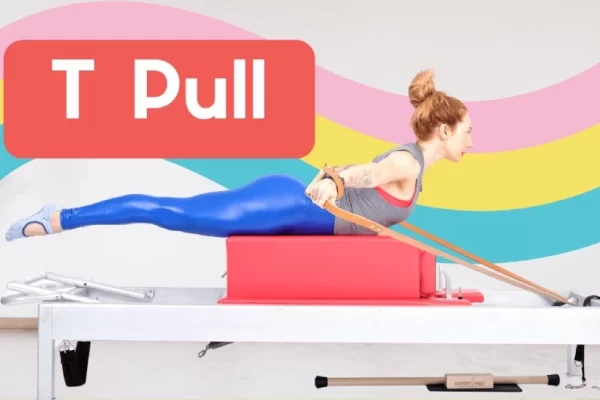
- Long Box pulling straps: Targets the back and shoulders for better posture.
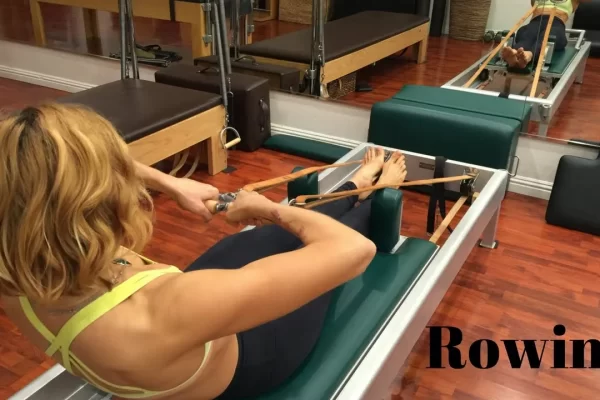
- Rowing: Builds upper back and shoulder strength.
- Mini Swan: Opens the chest and reduces rounded shoulder posture.
- Chest Expansion: Supports deeper breathing and chest mobility.
- Side lying work: Strengthens hip and waist muscles.
Things to Note When Practicing Postnatal Pilates
If you cannot train with a postnatal Pilates specialist, it’s important to understand which movements are unsuitable for your postpartum body especially when doing quick mat exercises during the baby’s nap time!
Exercises to Avoid
- Movements that increase intra abdominal pressure: Avoid planks, push ups, and sit ups.
- Back extension exercises: Avoid Swan and Swimming at the beginning. New moms commonly develop kyphosis (rounded back) due to breastfeeding and carrying the baby. Before performing back extension exercises, focus on opening the chest and shoulders to prevent strain.
Managing Postnatal Stress
Pilates is an excellent way to manage postpartum stress, including anxiety, tension, and fatigue. Just 10 minutes of gentle, mindful postnatal Pilates can reduce stress, improve sleep, and boost your energy both physically and mentally. Motherhood, especially for first time moms, can be overwhelming. Postnatal Pilates is a tool you’ll want to return to again and again.
For Moms Who Had a C-Section
If you’ve had a C-section, start Pilates slowly, gently reactivating your abdominal muscles only when you feel ready. Listen to your body only you know what feels right.
Practicing postnatal Pilates not only speeds up physical recovery but also brings mental relaxation and renewed confidence. The exercises and notes in this article will help you begin your postpartum wellness journey safely and effectively. Be patient, listen to your body, adjust your practice to your capacity, and remember consistency always leads to incredible results.