

Pilates Side Bend Exercise: How to Perform It Correctly and Key Benefits
07/01/2026The Pilates Side Bend exercise is one of the movements that helps improve balance and overall body strength. Designed to strengthen muscles and enhance posture, this exercise not only delivers physical benefits but also helps reduce stress and improve flexibility. In this article, we will explore how to perform the Pilates Side Bend exercise correctly and the benefits it offers.
What Is the Pilates Side Bend Exercise?
The Pilates Side Bend exercise is one of the 34 original exercises in the Pilates system. This movement focuses on a lateral bend of the torso in a side support position (side plank). In other words, Side Bend requires the practitioner to lift the hips and maintain the body in a straight line while bending to one side.
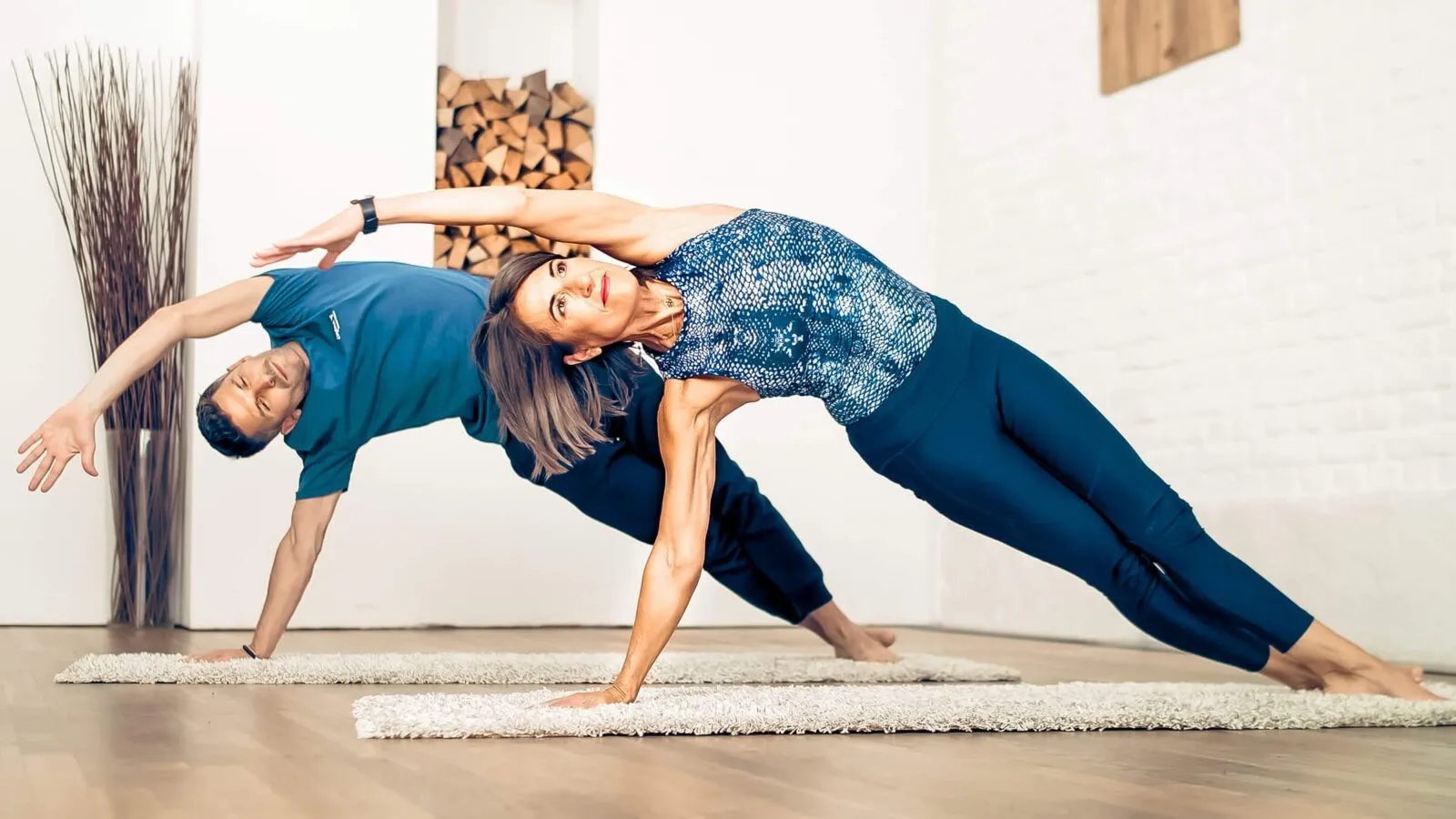
The Side Bend is one of the 34 original Pilates exercises by Joseph Pilates.
This exercise helps strengthen the core muscles, obliques, hips, shoulders, and spine, while also improving balance and full body movement control. In Pilates training programs, the Side Bend is typically classified as an advanced exercise and is usually introduced once practitioners have built a solid foundation of strength in the neck, shoulders, and spine. It is an ideal choice if you want to improve posture while enhancing overall strength.
Key Benefits of the Side Bend Exercise
The Side Bend is an excellent exercise because it offers numerous benefits when practiced regularly, particularly in strengthening the core muscles and the stabilizing muscles of the shoulder girdle.
Your core muscles are responsible for keeping the spine and hips pain free. The core includes the abdominal muscles, spinal muscles (such as the erector spinae), gluteus maximus, and adductor muscles (inner thighs).
In addition, when performing the Pilates Side Bend exercise, you activate the muscles around the shoulder girdle to stabilize the scapulae (shoulder blades). This is especially beneficial for anyone struggling with shoulder pain.
In fact, even if you are not currently experiencing pain, the Side Bend exercise can still provide significant benefits for your body and help prevent discomfort in the future.
Using the Side Bend Exercise to Reduce Shoulder Pain
If you are looking to improve shoulder pain, the Side Bend exercise can be a helpful option. However, it is important to pay close attention to shoulder engagement and how your shoulders feel during the movement.
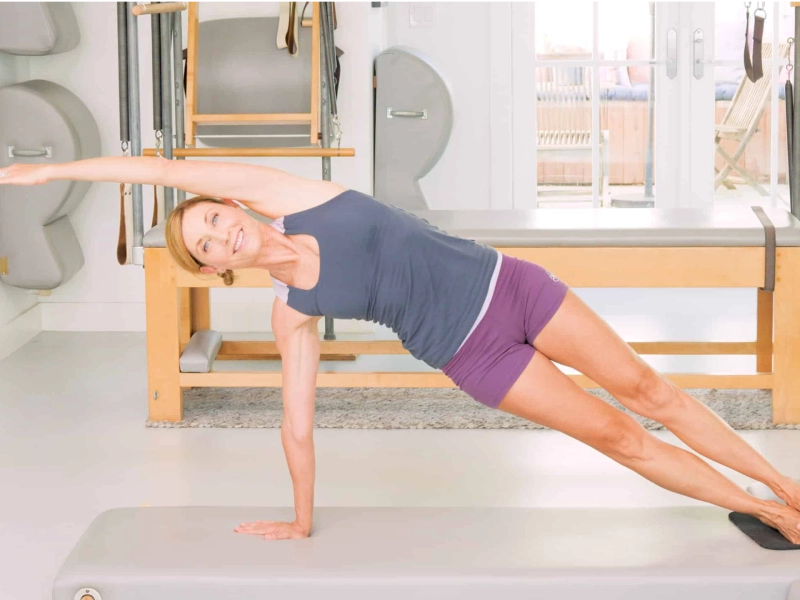
The Pilates Side Bend exercise can help reduce shoulder pain when performed correctly.
Before starting, take a moment to adjust your shoulders into a neutral position. You can visualize the following:
- Gently open the chest and collarbones forward.
- Observe the connection between the arm and the shoulder: if the shoulders are rounded forward, slightly externally rotate the upper arm to open and balance the shoulder.
- Keep the shoulders from lifting toward the ears; allow them to relax and gently lower.
- Imagine your shoulder blades resting flat and lightly drawing toward your back.
This is your setup position before beginning. Maintain this alignment as the arm moves and as you lift into the Side Bend.
Using the Pilates Side Bend Exercise to Reduce Back Pain
When performing Pilates style bending movements to relieve back pain, you need to focus on the spine and how it moves during the exercise.
Remember, this is not simply a side plank. You must actively bend the body to the side.
As you bend, the goal is not to bring the ribs closer to the hips. Instead, aim to create a “C”
shape, where you feel the ribs and hips lengthening away from each other before bending to the side.
Before performing the full Side Bend exercise, it is important to complete a few preparatory repetitions. This ensures that you are performing the movement in the most beneficial way for your body.
How to Perform the Side Bend Exercise
Below is a step by step guide on how to perform the Pilates Side Bend exercise:
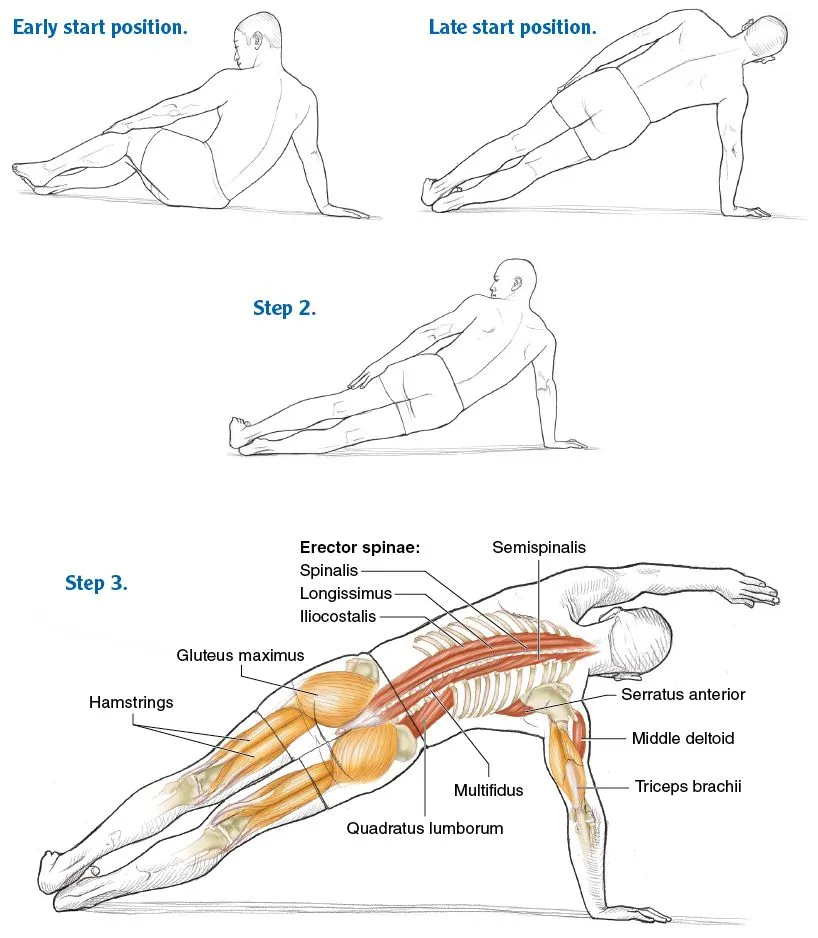
How to perform the Side Bend exercise.
- Sit sideways on the mat, placing your weight onto one hip.
- Press the palm of the supporting arm into the mat, with fingers pointing away from the body.
- Bend both legs and place the top foot in front of the bottom foot.
- Position the top arm alongside the body.
- Inhale as you lift the pelvis off the mat, straighten both legs, and raise the top arm to a 90-degree angle relative to the shoulder.
- Exhale as you lift the pelvis higher into the side bending position and raise the top arm overhead.
- Inhale to return to the starting position, then exhale as you lower back down.
- Repeat 5 to 10 times, then switch to the other side.
Safety Notes When Performing the Side Bend Exercise
To ensure safety and achieve the best results while performing the Pilates Side Bend exercise, keep the following points in mind:
- Warm up thoroughly: Before starting the Side Bend exercise, make sure you warm up properly to prepare the muscles and joints for stretching and loading.
- Use proper technique: Correct form helps prevent injuries and maximizes effectiveness. If needed, consult a Pilates instructor or specialist.
- Listen to your body: If you feel pain or discomfort during the exercise, stop and reassess your technique. Do not force the movement if something feels wrong.
- Modify according to ability: If the exercise feels too challenging, adjust the movement or use easier variations until you feel comfortable and confident.
- Do not hold your breath: Breathe steadily throughout the Pilates Side Bend exercise. Proper breathing helps maintain stability and supplies oxygen to the muscles.
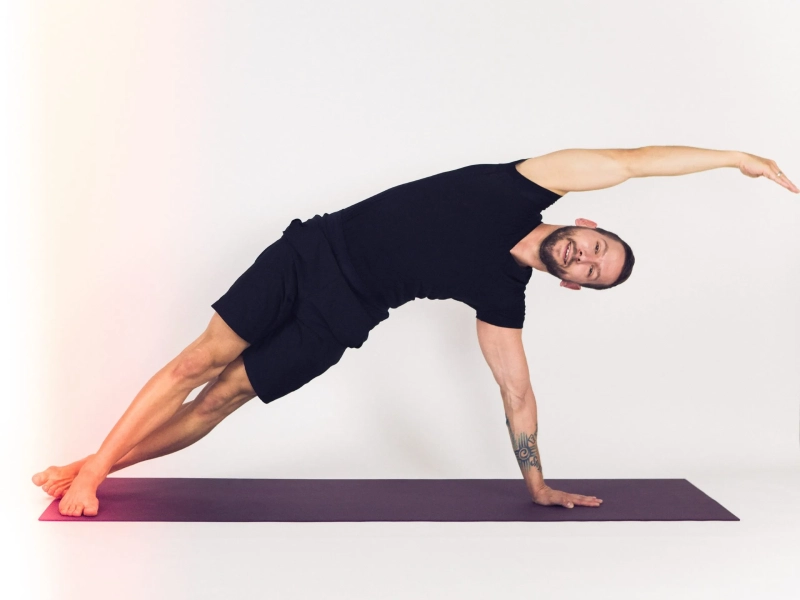
Please take safety precautions when performing the Side Bend exercise.
Contraindications
- People with acute injuries: Those with acute injuries in the back, knees, or hips should avoid this exercise until the condition improves and medical approval is given.
- People with serious medical conditions: If you have serious cardiovascular, respiratory, or other health conditions, consult a doctor before starting any exercise program.
- Pregnant women: Pregnant women should be cautious and consult a doctor or healthcare professional before performing this exercise, as it may place pressure on the abdomen and lower back.
The Pilates Side Bend exercise is not only an effective way to strengthen muscles and improve flexibility, but it also helps develop balance and reduce stress. By practicing with correct technique and consistency, you will begin to notice positive changes in your body. Incorporate the Pilates Side Bend exercise into your daily routine to fully enjoy the benefits it provides.