

Pilates Control Balance Off on Reformer: Advanced Technique, Benefits, and Safe Practice
06/01/2026If you are already familiar with the Control Balance exercise on the mat, the Pilates Control Balance Off on Reformer offers an exciting new challenge for dedicated Pilates practitioners. This is an advanced exercise that requires absolute control of the body, strong core engagement, and refined balance. In this article, we provide detailed guidance and practical tips to help you perform Control Balance Off on the Reformer safely and effectively.
Introduction to the Pilates Control Balance Off on Reformer
Control Balance Off is an advanced Pilates exercise performed on the Reformer machine. It demands exceptional body control, balance, flexibility, and core strength. Considered one of the more demanding Pilates movements, Control Balance Off not only improves flexibility but also significantly enhances stability and overall body control.
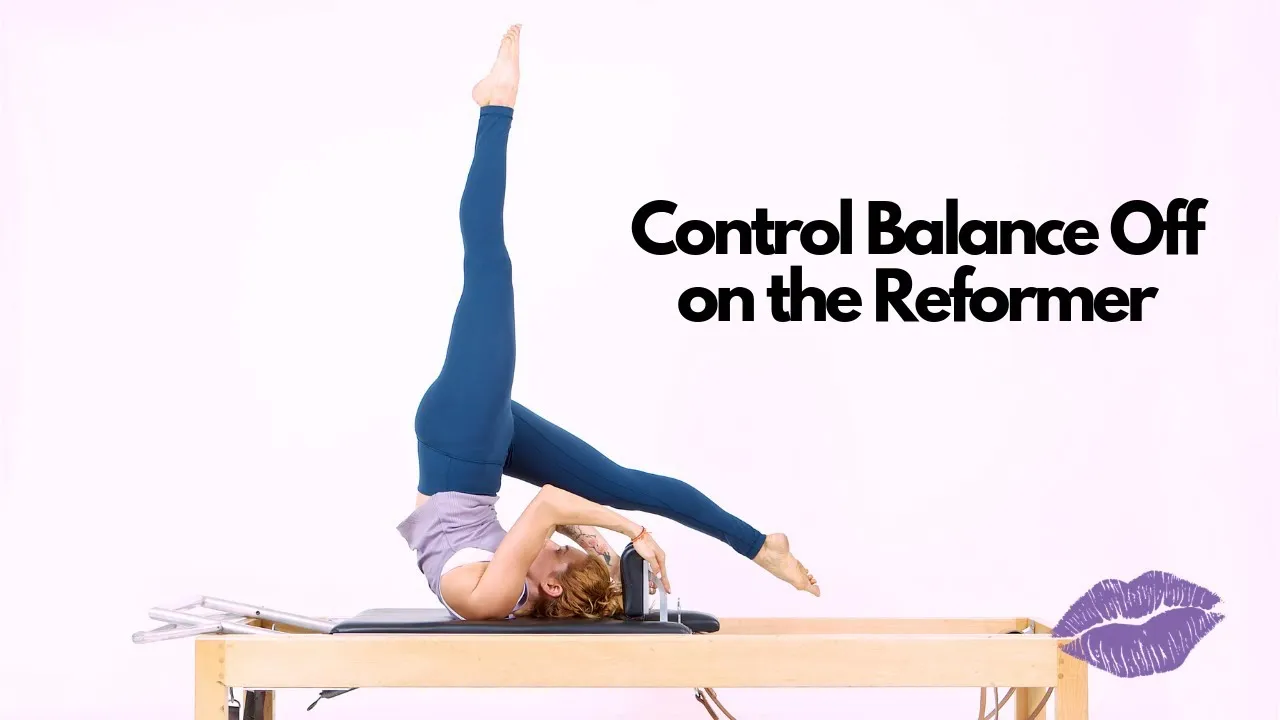
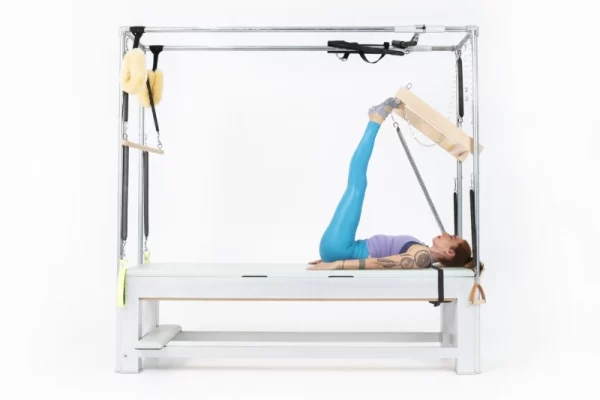
Pilates Control Balance Off on Reformer.
The Pilates Control Balance Off on Reformer is best suited for experienced Pilates practitioners, especially those already comfortable with other advanced exercises. Beginners or individuals who have not yet developed sufficient core strength and body awareness should avoid this exercise until they reach the appropriate skill level. Guidance from a professional Pilates instructor is highly recommended to ensure safe and effective execution.
Benefits of the Control Balance Off Exercise
Control Balance Off strengthens the core muscles while improving posture, balance, and flexibility. Practicing this exercise regularly helps enhance stability in other Pilates movements as well as in daily activities. Maintaining precise alignment throughout the movement also reduces the risk of injury and maximizes training effectiveness.
How to Perform the Pilates Control Balance Off on Reformer
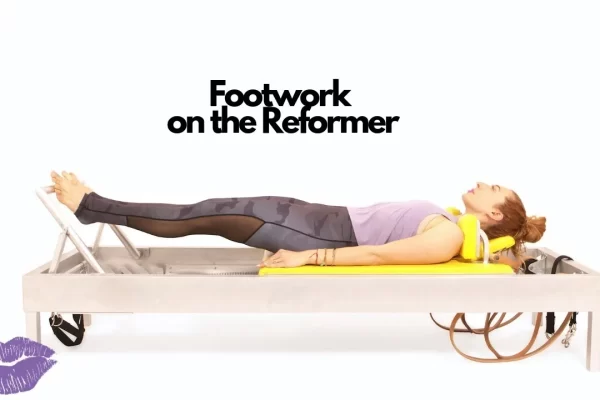
Before starting the Control Balance Off exercise, make sure your Reformer is properly set up. Adjust the spring resistance to match your ability level, starting with lighter tension if you are new to this movement. Lie on your back on the Reformer, place both feet into the straps or against the footbar, and stabilize your torso. You may lightly hold the edges of the carriage initially to assist with balance.
Step by step instructions:
- From a supine position, draw your legs upward toward the ceiling with the knees slightly bent. Slowly curl the torso using the abdominal muscles to lift the hips and lower back off the Reformer surface.
- Once lifted, extend the legs straight upward, keeping the feet pointed toward the ceiling. At this stage, your body weight is supported through the shoulders and upper back, requiring absolute stability and balance.
- Slowly lower one leg toward the head end of the Reformer while keeping the other leg stable. Maintain control and move deliberately, avoiding any sudden or jerky motions.
- After completing the movement on one side, switch legs and repeat with the same level of control and balance.
- Once both legs have completed the movement, gradually lower the legs and return to the starting position. Relax the body and take deep breaths to release muscular tension.
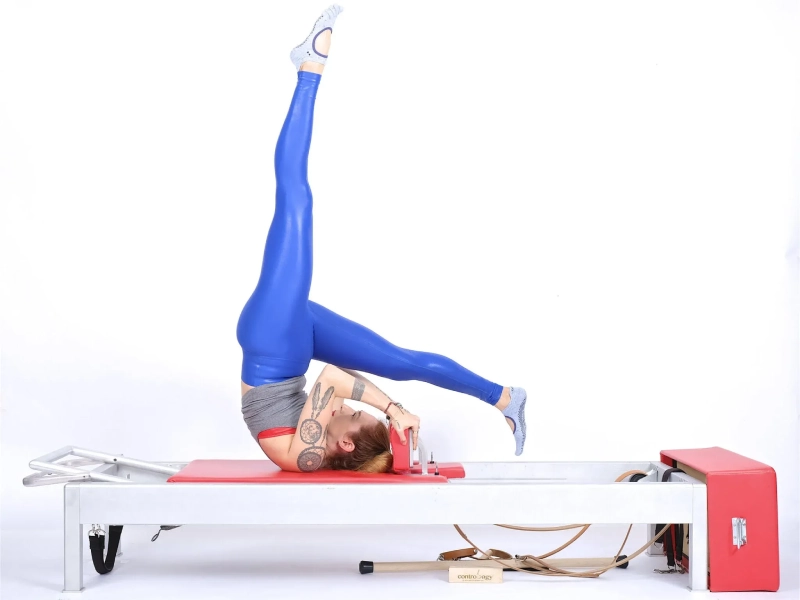
How to perform Control Balance Off the Reformer.
Common mistakes and how to avoid them:
- Loss of balance: One of the most common errors when performing the Pilates Control Balance Off on Reformer is losing balance during leg movement. To prevent this, focus on stabilizing the torso and moving slowly with full control.
- Incorrect alignment: Poor alignment can cause unnecessary muscle strain or injury. Ensure your upper back maintains proper contact with the Reformer surface and avoid lifting higher than necessary.
Variations and Modifications of Control Balance Off on the Reformer
1. Adjustments for different skill levels
Although Control Balance Off is an advanced Pilates exercise, it can be modified to suit different skill levels. Practitioners who are new to this movement or lack sufficient core strength may begin with instructor assistance or use supportive props such as resistance bands to aid balance. Reducing spring tension on the Reformer can also decrease intensity and make the exercise more accessible.
2. Variations to increase balance challenge
For those already comfortable with Control Balance Off and seeking greater challenges, several variations can increase difficulty. One option is to slow down the movement further, emphasizing precise control and focus throughout each phase.
You may also experiment with lifting one leg higher or extending the arms farther to intensify balance demands. These variations enhance skill development and add variety to training, supporting more comprehensive physical progress.
Integrating Control Balance Off on Reformer into Your Pilates Program
The Pilates Control Balance Off on Reformer is not merely an isolated exercise but a valuable component of a well rounded Pilates routine. When incorporating this movement into your training plan, consider the following guidelines:
1. Timing and training frequency
Because Control Balance Off is an advanced exercise, it is best performed in the middle or toward the end of a session, once the body is thoroughly warmed up. This preparation increases flexibility and reduces injury risk during movements that require high levels of control and balance. In terms of frequency, practicing this exercise two to three times per week alongside other Pilates movements helps maintain an effective balance between strength, flexibility, and control.
2. Complementary exercises to enhance results
To improve performance in Control Balance Off, consider integrating complementary exercises into your Pilates routine. Movements such as Teaser, Jackknife, and Scissors on the Reformer are excellent preparations, as they strengthen the core and refine body control. Additionally, stretching exercises like the Stretch Series or other mobility focused movements enhance flexibility, supporting safer and more effective execution of Control Balance Off.
Integrating the Pilates Control Balance Off on Reformer into your training program helps you push beyond current limitations while promoting balanced, full body development. As with any advanced exercise, consistency and precise technique are essential for achieving optimal results. Wishing you focused, effective, and successful Pilates sessions.