

Top 7 Most Popular Types of Pilates Today
02/12/2025Pilates is becoming increasingly popular thanks to its ability to improve posture, strengthen muscles, and support physical recovery. Interestingly, Pilates is not limited to a single method there are various types of Pilates, each tailored to different training goals and individual physical conditions. So, what are the most common types of Pilates today? Let’s explore them in detail below.
Types of Pilates: Classic Pilates (Classical Pilates)
Classic Pilates, also known as the original Pilates method, was created by Joseph Pilates in the early 20th century. This system emphasizes foundational mat exercises and equipment-based training using apparatuses designed by Joseph Pilates himself. Its primary goals include strengthening muscles, improving flexibility, enhancing balance, and correcting posture.
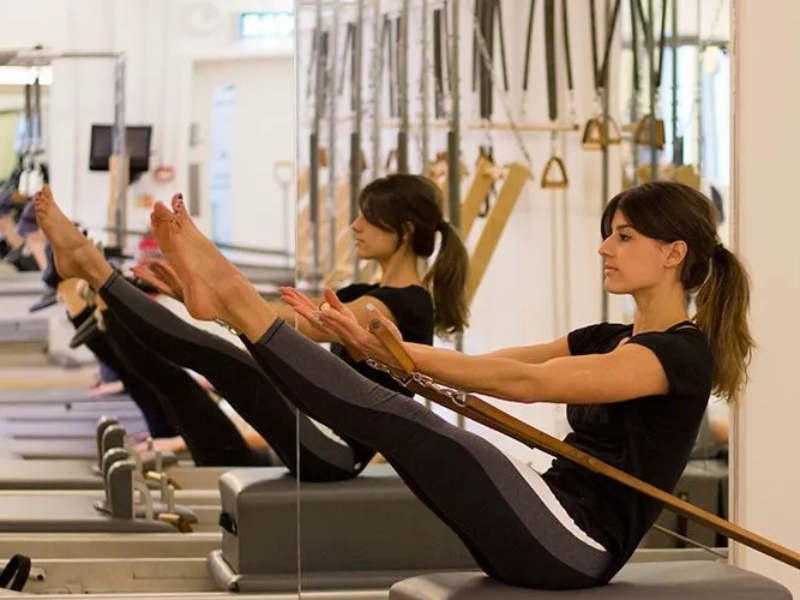
Classical Pilates or original Pilates was created by Joseph Pilates.
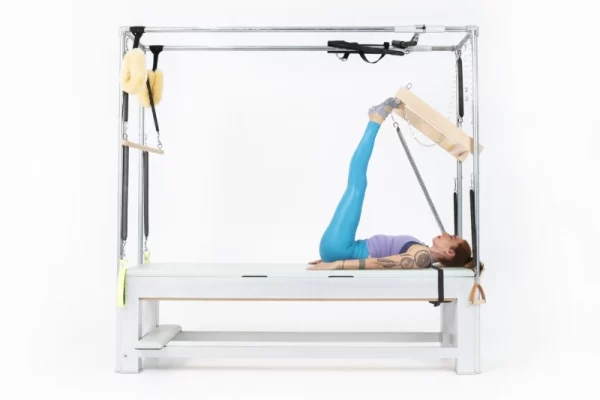
Exercises in Classical Pilates are performed on the mat and with specialized equipment such as the Reformer, Cadillac, Chair, and Wunda Chair. This type of Pilates is suitable for all ages and genders, from beginners to advanced practitioners.
Classic Pilates improves muscle and joint mobility, allowing the body to move more freely and efficiently. It also helps address common health concerns such as back pain, shoulder and neck tension, and stress management.
Mat Pilates
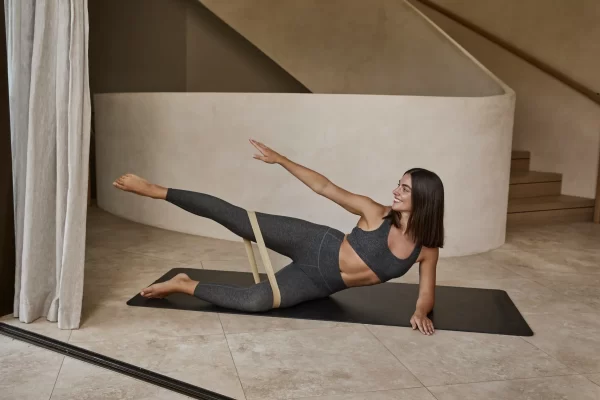
Mat Pilates is a widely accessible training method that uses a mat as the primary tool. It’s convenient, easy to start, and suitable for everyone from beginners to experienced practitioners. All you need is a mat, making this one of the most approachable types of Pilates.
Mat Pilates focuses on flexibility, strength, and body control. The movements target core muscle groups including the abdominals, back, legs, and shoulders, helping increase stability and overall muscular balance. Additionally, Mat Pilates enhances concentration and reduces stress.
While it doesn’t use complex equipment like the Reformer or Cadillac, Mat Pilates still offers similar benefits: improved posture, increased flexibility, greater core strength, and overall relaxation. It’s simple, effective, and carries minimal injury risk.
Reformer Pilates (Equipment-Based Pilates)
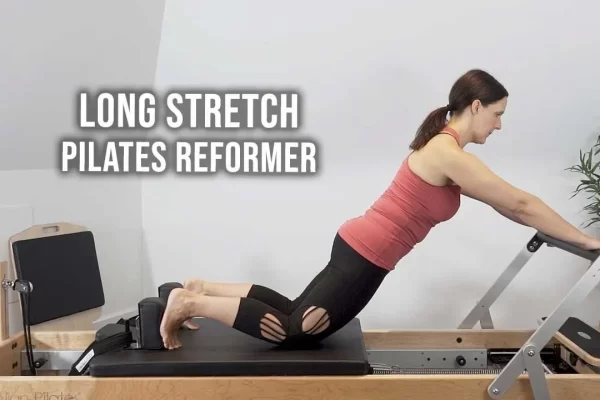
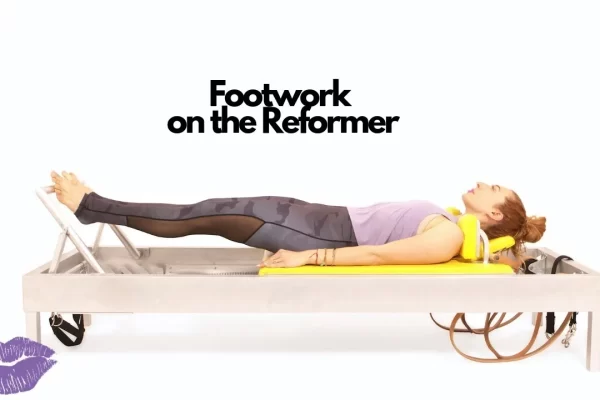
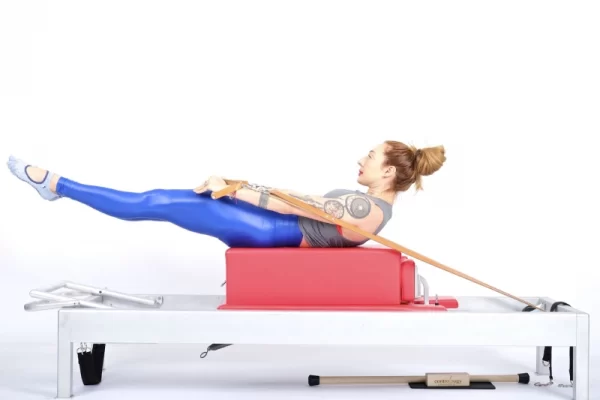
Reformer Pilates is an advanced training method that uses the Reformer machine-featuring a gliding carriage and adjustable springs. For optimal results and safety, it’s best practiced under the guidance of a qualified instructor.
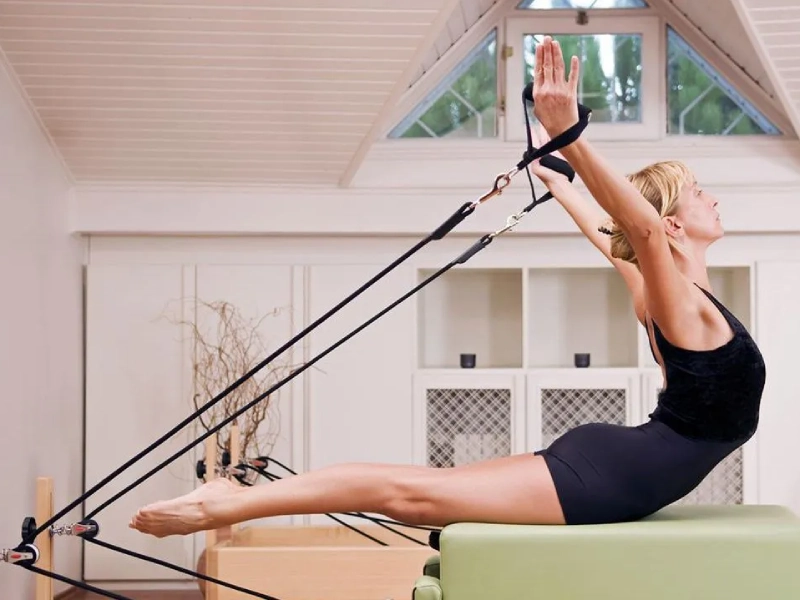
Reformer Pilates is an advanced method that uses the Reformer machine.
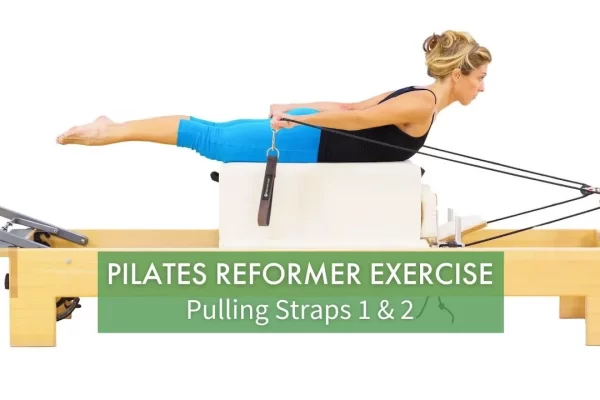
Reformer exercises effectively enhance height, strength, balance, and endurance. This equipment allows a wide range of movements in various positions such as lying, sitting, standing, pulling straps, or pushing bars. Many Reformers also include additional accessories, offering diverse and comprehensive training options.
Clinical Pilates (Physiotherapy Pilates)
Clinical Pilates is an effective form of therapeutic exercise that supports rehabilitation and overall health improvement. This type of Pilates features customized exercises tailored to individual conditions and is often combined with physiotherapy techniques for optimal results.
Exercises in Clinical Pilates are designed specifically around each person’s health status, mobility, and recovery level. The method emphasizes precise movement execution to ensure safety and effectiveness. It often incorporates Pilates exercises alongside physiotherapy techniques such as massage or heat therapy.
Contemporary Pilates
Unlike Classical Pilates, Contemporary Pilates adapts and integrates modern science, updated equipment, and new training knowledge into its practice.
Contemporary Pilates blends principles from various fitness systems such as yoga, functional training, corrective exercise, and physical therapy. This style frequently uses a combination of Reformer, Cadillac, Barrel, and Chair to create diverse and dynamic workouts.
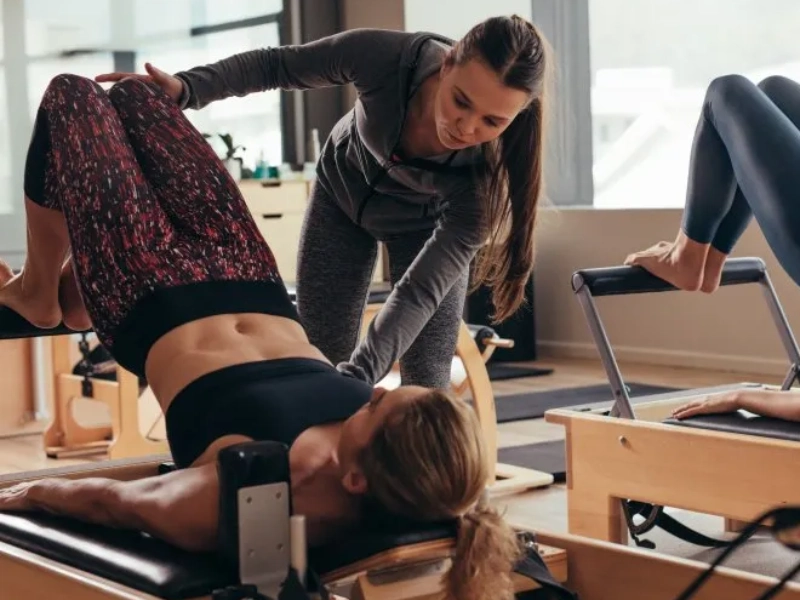
Modern Pilates, a form of Pilates that incorporates the latest equipment, facilities and knowledge into its practice.
The primary goals of Contemporary Pilates are to improve overall health and body balance by increasing muscular strength, enhancing flexibility and posture, and reducing stress. The method promotes holistic well-being and optimal functional performance.
Stott Pilates
Stott Pilates was developed by Moira Merrithew, a ballet dancer who turned to Pilates after sustaining a neck injury. Formerly called Stott Conditioning, this method focuses on restoring the spine’s natural curves and rebalancing the muscles surrounding the joints.
While Stott Pilates follows core Pilates principles-breathing, fluid movement, and focus-it places strong emphasis on posture alignment, the use of props, and progressive layers of exercises.
Traditional Pilates often encourages a flat-back position (imprinted spine), whereas Stott Pilates prioritizes a neutral spine, maintaining the natural curvature of the back.
In a Stott Pilates class, practitioners keep the spine aligned with one foot on the ground. When both feet are lifted, the body transitions to a more traditional Pilates imprint. These alignment distinctions make Stott Pilates unique compared to Joseph Pilates’ original method.
Regardless of age or gender, Stott Pilates helps improve flexibility, endurance, and posture while building strength without stressing the joints.
Winsor Pilates
Winsor Pilates is named after its founder, renowned Pilates instructor Mari Winsor. The exercises in this type of Pilates focus on activating the energy center of the body with the goal of aiding weight loss.
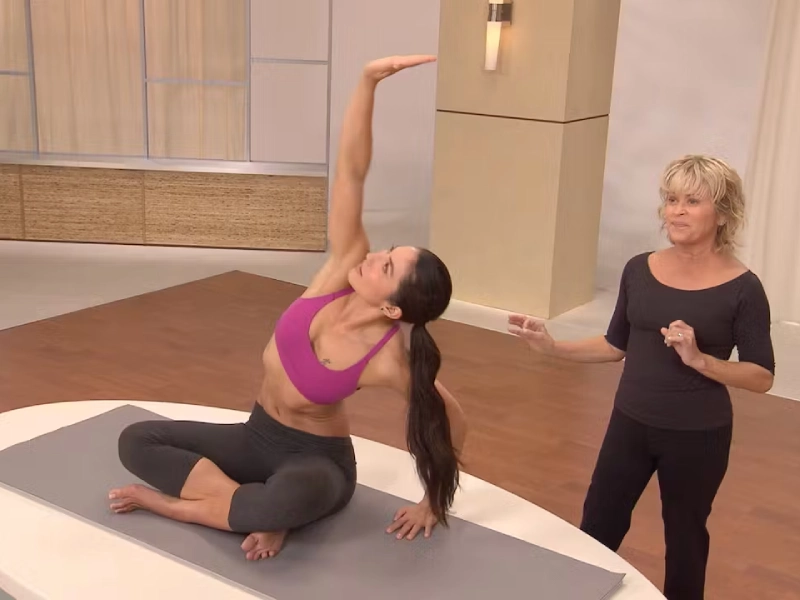
Winsor Pilates focuses on core energy range with the goal of weight loss.
Most Winsor Pilates exercises emphasize breathing coordination. Mari Winsor popularized this method through infomercials and training videos, helping it reach a global audience.
Today, Winsor Pilates remains one of the most widely practiced forms of Pilates worldwide.
Important Tips for Choosing the Right Type of Pilates
With so many types of Pilates available, selecting the right one depends not only on personal preference but also on your physical condition, goals, and training environment. To ensure safety and maximize results, consider the following before committing to a Pilates method:
- Define your goal: Are you aiming for weight loss, body shaping, postpartum recovery, or injury rehabilitation?
- Assess your physical condition: Beginners may start with Mat Pilates or Contemporary Pilates. Those recovering from injuries should prioritize Clinical or Stott Pilates.
- Budget & training conditions: If you cannot attend a studio, start with Mat Pilates at home. If you have the means, explore Reformer Pilates or specialized classes.
- Seek professional advice: If you have health concerns or are new to exercise, consult an instructor or specialist for proper guidance.
The wide variety of Pilates styles today demonstrates the method’s adaptability and effectiveness in promoting overall health. Whether you choose Mat Pilates, Reformer Pilates, or any other variation, consistency and focus remain the keys to progress.
We hope this article helps you better understand the different types of Pilates and inspires you to begin or continue your wellness journey with confidence.