

The Effects of Pilates on Bone and Joint Conditions
11/12/2025Bone and joint conditions are becoming increasingly common not only among older adults but also younger people due to sedentary habits, improper posture, and work related stress. In fact, research shows that Pilates can significantly reduce pain in individuals with chronic musculoskeletal issues. Let’s explore the effects of Pilates on bone and joint conditions and find out whether it can help manage arthritis and support a healthier, more active life.
The Effects of Pilates on Bone and Joint Conditions
Pilates is not only a training method that enhances physical appearance it also offers meaningful benefits for bone and joint health. Below are the key effects of Pilates on bone and joint conditions:
Improves Flexibility and Reduces Joint Stiffness
One of the most common issues for people with bone and joint conditions is stiffness and reduced mobility. Pilates gently stretches the muscles and tendons around the joints, improving flexibility and reducing tension. Pilates exercises help increase joint range of motion without placing pressure on them, making everyday tasks such as reaching or bending easier. This allows you to maintain joint mobility without worsening symptoms.
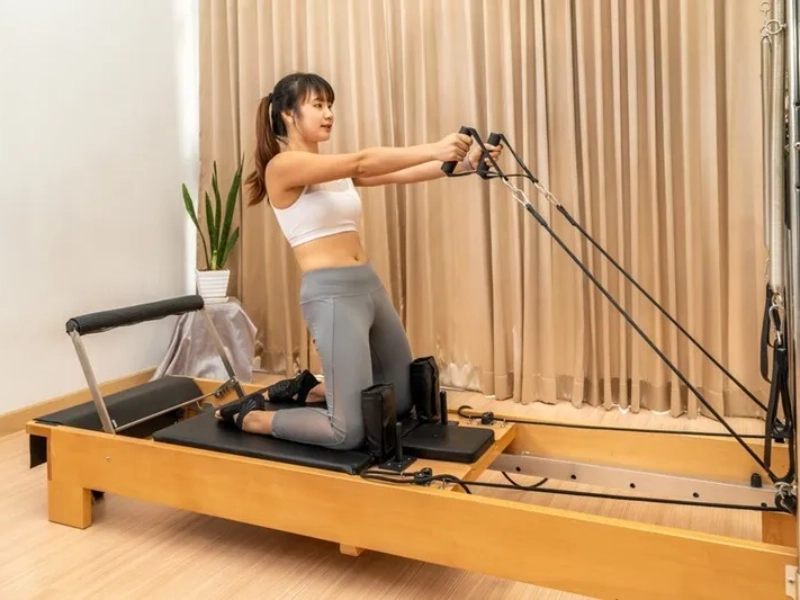
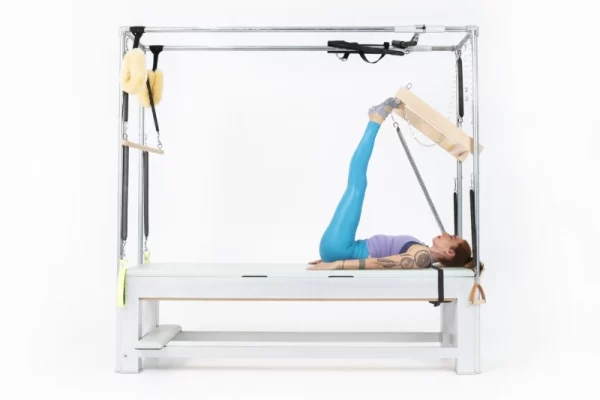
Pilates helps strengthen core muscles and reduce the risk of injury.
Strengthens Muscles That Support the Joints
The muscular system plays a crucial role in protecting joints from pressure and injury. Pilates strengthens the core, back, abdominal, and hip muscles, helping reduce the load placed on the joints and lowering the risk of injury. When the muscles surrounding the joints become stronger, they provide better support for the spine, knees, and hips effectively reducing pain and discomfort.
Improves Posture and Reduces Pressure on the Spine
Poor posture is a leading cause of back pain, spinal degeneration, and disc herniation. Pilates enhances posture by focusing on proper body alignment, especially along the spine. Exercises like The Hundred and Pelvic Curl help maintain the spine’s natural curves, reducing pressure on the discs and joints.
Supports Pain and Inflammation Relief
People with arthritis often avoid movement out of fear of worsening their pain. However, Pilates uses slow, gentle exercises that naturally reduce pain without stressing the joints. Consistent movement improves blood circulation around the joints, delivering nutrients needed to regenerate cartilage and effectively reduce inflammation.
Should People With Bone and Joint Conditions Practice Pilates at Home?
If you are a beginner or have a severe bone or joint condition, practicing Pilates at home without professional guidance can pose risks. Pilates movements require proper body control, breathing, and technique to achieve maximum benefits without straining the joints.
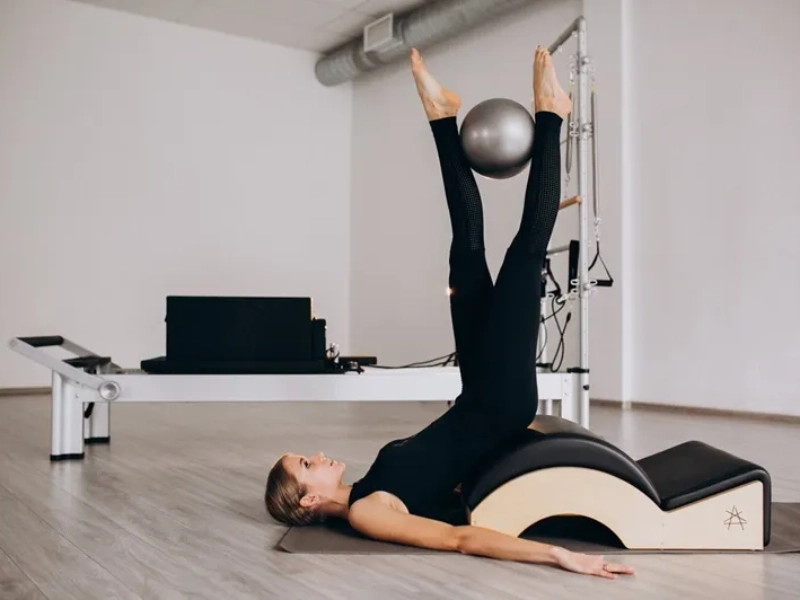
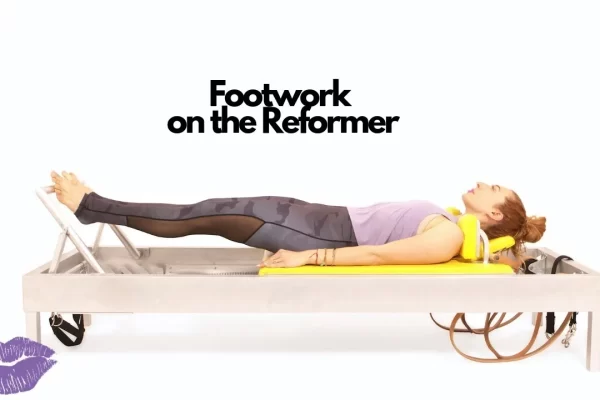
Performing Pilates exercises helps increase blood flow to the fight, providing the necessary nutrients to rebuild muscle mass.
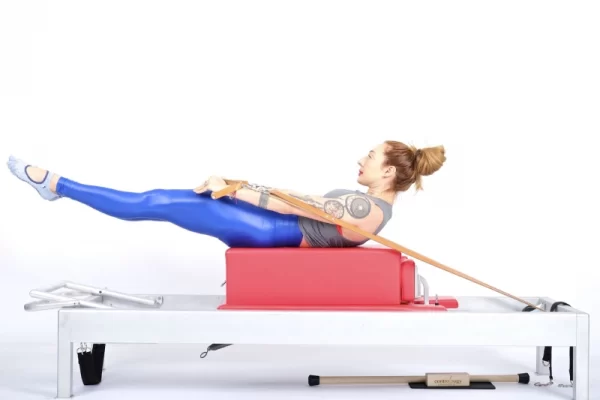
Incorrect posture or overexertion may worsen your condition and even lead to more serious injury.
Therefore, joining Pilates classes with a certified instructor is a safer and more effective option. The instructor will guide you through correct techniques, adjust your posture when needed, and design exercises suitable for your joint condition. Once you are comfortable with the exercises and understand your body’s limits, you can safely perform simple Pilates movements at home to maintain mobility and flexibility.
Even when practicing at home, you should pay attention to your body’s signals, avoid complex movements or those that stress the joints, and maintain appropriate workout intensity for safety and effectiveness.
Important Notes for Practicing Pilates With Bone and Joint Conditions
To prevent injury and achieve the best results, individuals with bone and joint issues should follow these key guidelines:
- Consult a doctor or physical therapist before starting Pilates.
- Not all Pilates exercises are suitable for people with joint problems. Choose gentle exercises focused on stretching, improving circulation, and increasing flexibility without stressing the joints.
- Avoid high intensity training at the beginning. Start with simple movements, progress slowly, and increase intensity only when your body is ready.
- Proper posture is essential to avoid injury. Keep your back aligned, avoid placing excessive force on the joints, and perform movements in a controlled manner.
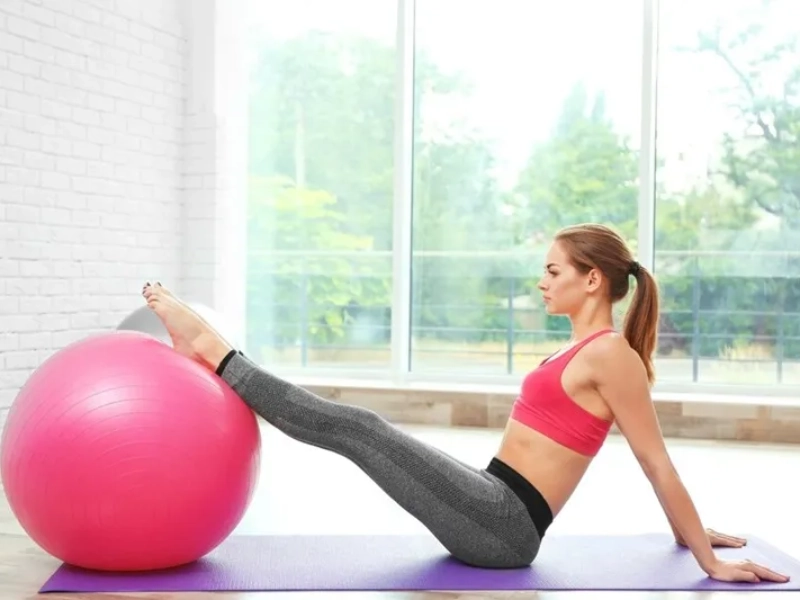
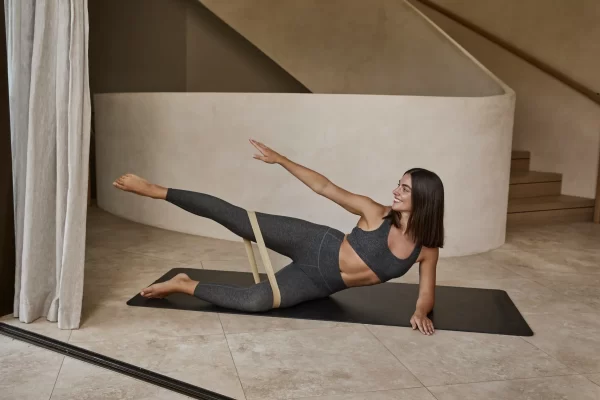
During the exercises, you can use assistive tools to reduce pressure appropriately and make the movements easier.
- Focus on deep breathing synchronized with each movement to reduce pressure on the joints and enhance relaxation.
- If needed, use support tools such as cushions, thick mats, Pilates balls, or resistance bands to reduce joint pressure and make movements easier.
- Maintain a nutritious diet to support bone and joint health.
- Beginners with bone and joint conditions should practice with a certified instructor to ensure proper technique and safety.
Pilates is a beneficial training method that supports the treatment and improvement of bone and joint health but it must be practiced correctly to deliver optimal results. Hopefully, this information on the effects of Pilates on bone and joint conditions helps you listen to your body, train at the right intensity, and seek expert advice to ensure safe and effective practice.