

Should You Do Pilates at Home or at the Studio?
28/11/2025Pilates has become a popular training method thanks to its outstanding benefits for both health and body shape. However, one common question beginners often ask is: Should you do Pilates at home or at the studio? Each option comes with its own unique advantages and limitations. This article will help you understand both approaches clearly so you can choose the one that best suits your needs.
Pros and Cons of Doing Pilates at a Studio
Choosing to practice Pilates at a studio offers many benefits but also comes with certain limitations:
Advantages
1. Facilities and Equipment
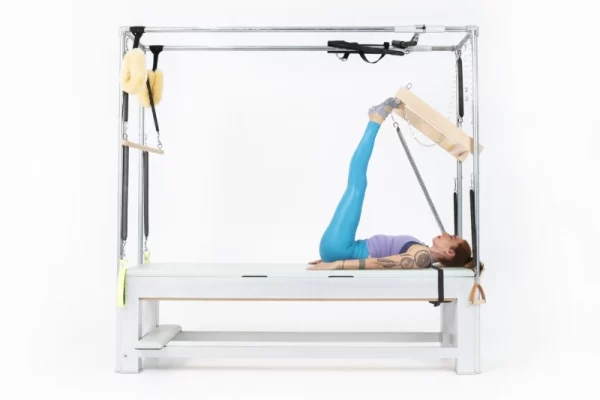
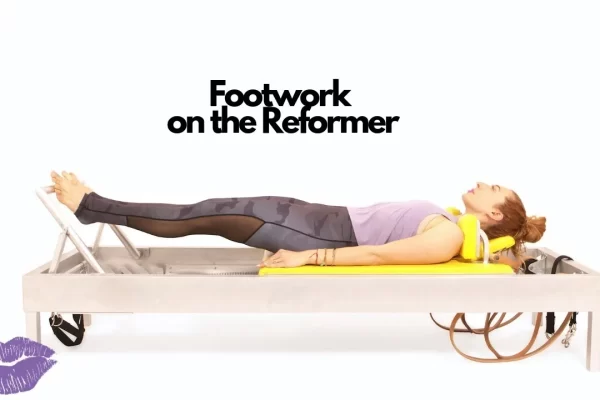
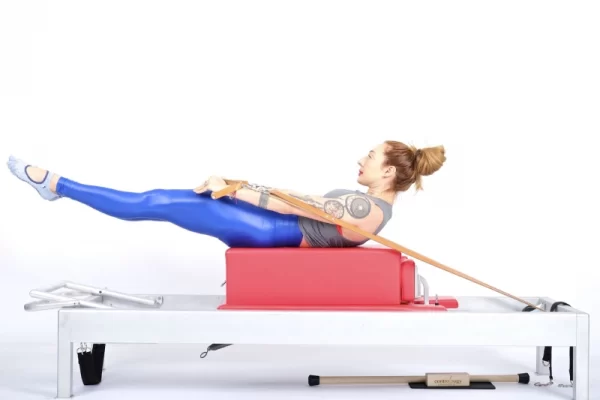
This is considered the biggest advantage of studio Pilates. Studios offer a large and diverse range of equipment and machines. Whatever your goals or training needs may be, there will always be a suitable piece of equipment for you. This means you never have to worry about a lack of options when you show up for class.
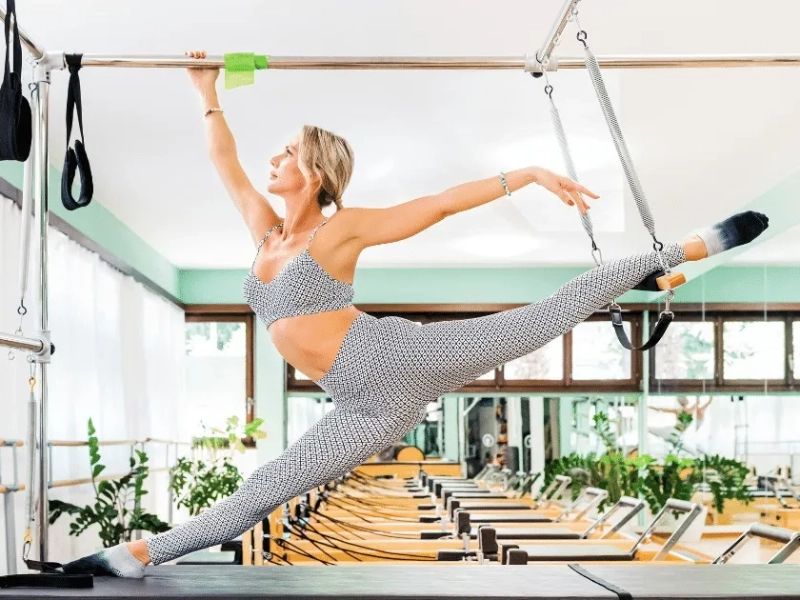
The facilities are the biggest advantage of working out at a Pilates studio.
2. Guidance from Professional Instructors
At a Pilates studio, you receive hands on guidance and immediate corrections from instructors, ensuring every movement is performed accurately and safely. This is especially important because Pilates requires a high level of control in both movement and breathing, and doing exercises incorrectly can easily lead to injury.
Instructors can also personalize your workout program based on your condition and goals from post injury recovery to muscle toning or fat reduction. This close guidance helps you progress faster and stay motivated with a consistent and structured training routine.
3. Motivating Community
Working out alongside others builds motivation. Training with people who share the same passion for Pilates encourages you to grow and improve. On some level, you probably wouldn’t want the person next to you to progress faster than you use that as motivation, not pressure.
4. Better Focus
At the studio, you’re surrounded only by equipment, instructors, and fellow practitioners. This helps you stay fully focused on your workout no interruptions, no household chores, no phone distractions.
Disadvantages
1. Cost
Regardless of the Pilates studio you choose, you will need to pay a membership fee. More affordable studios often lack equipment variety, while premium studios with full amenities typically require a higher investment.
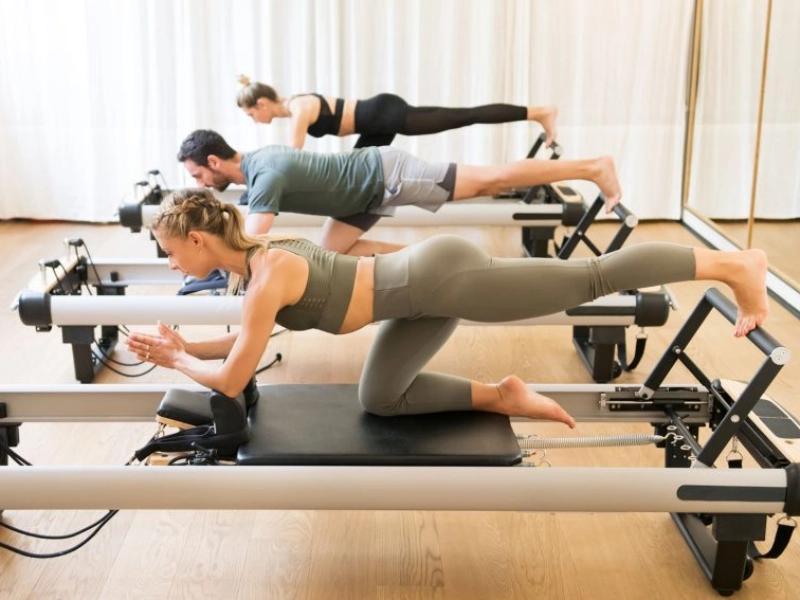
There will be many limitations when practicing at a Pilates studio such as high cost, far away studio…
2. Complexity and Time Commitment
First, you need to plan your schedule. Then you must prepare your workout clothes, water bottle, gym bag, and travel to the studio. Commuting, especially during peak hours, can be uncomfortable and time consuming. Additionally, popular classes or machines may require you to wait for your turn.
3. Potential Issues from Other Members
At lower cost studios, you may need to be extra careful with personal belongings. Not all members or facilities maintain good hygiene. Some may leave machines sweaty without cleaning them, which can be unpleasant for the next user.
Pros and Cons of Doing Pilates at Home
Should you do Pilates at home or at the studio? Before answering that question, let’s take a closer look at the advantages and limitations of practicing Pilates at home.
Advantages
1. Cost Savings
The biggest advantage of home Pilates is that you don’t have to pay for memberships. You can even create your own home Pilates space with minimal budget. Since you likely won’t need all the machines availa at a studio, you can invest in only the Pilates equipment that matches your goals and preferences.
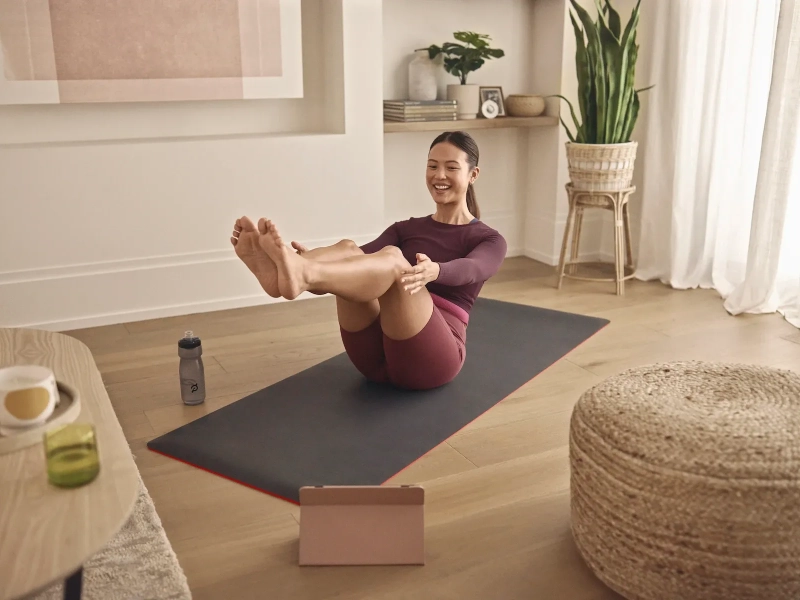
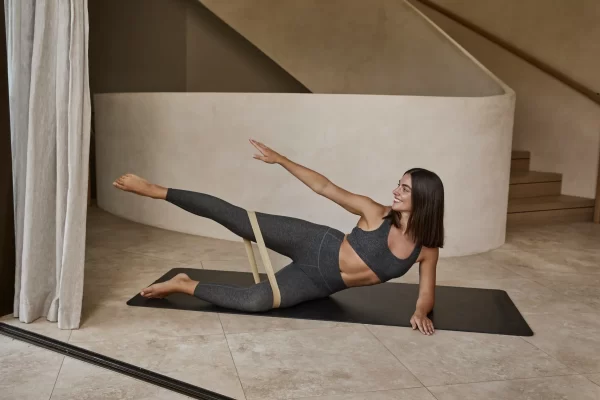
Practicing Pilates at home is convenient, cost effective and very suitable for people with limited time.
Over time, when comparing the cost of studio memberships versus purchasing home equipment, you’ll realize how much money, time, and effort you can save.
2. Convenience
No need to prepare gym outfits, personal bags, or water bottles. You can wear whatever you like even pajamas. There’s no commute, and the timing of your workout is entirely up to you. You can break your sessions into small portions throughout the day or focus on weekend workouts. This is especially ideal for busy individuals with irregular schedules.
3. Variety of Training Methods
At home, you can follow videos, live Pilates classes, or use workout apps. There are plenty of options to keep your routine engaging.
4. Privacy and Comfort
A private space helps you feel safe and comfortable particularly if you’re a beginner or feel self conscious about your body. You can wear what you want and practice challenging movements without worrying about being watched or judged. This relaxed mindset helps you concentrate better on your technique and body awareness. For introverted individuals or those uncomfortable in crowds, this privacy is essential for maintaining long term consistency.
Disadvantages
1. Boredom and Low Motivation
At the studio, everyone around you is focused on exercising, which naturally boosts motivation.
At home, countless distractions can disrupt your workout. These interruptions often lead to boredom and loss of interest, making it easier to choose your phone over exercising.
2. Easy to Lose Discipline
At home, there are endless excuses to skip a workout. Once you skip the first session, skipping the next becomes easier—and eventually, you may quit entirely. Without a structured Pilates schedule or strong motivation, staying consistent can be challenging.
3. Limited Space
Pilates doesn’t require much space, but if you want to invest in professional equipment like a Reformer or Cadillac, space becomes a key factor. Limited room can make setting up a home Pilates space difficult.
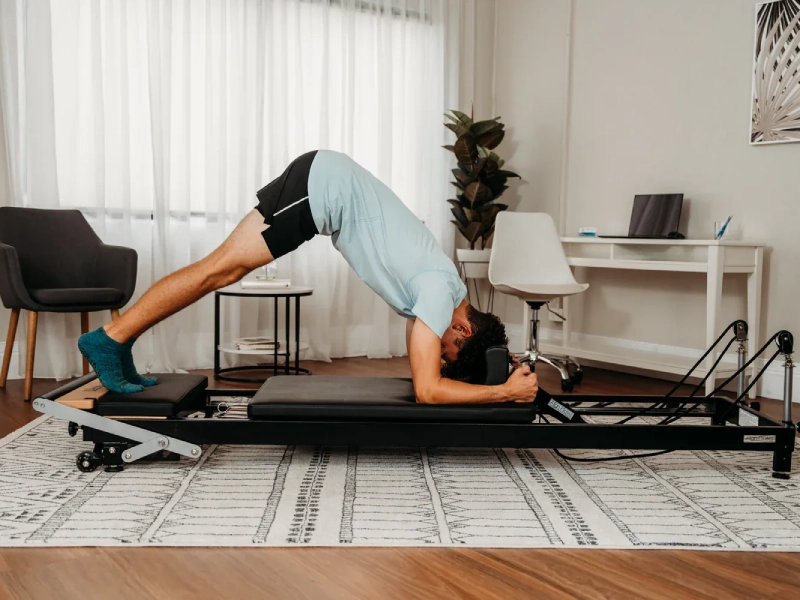
Designing space to add exercise machines is extremely difficult.
Quick Comparison: Home Pilates vs. Studio Pilates
After analyzing the pros and cons of each option, this quick comparison helps you gain a broader overview and decide whether you should do Pilates at home or at the studio.
| Criterion | At Home | At Studio |
| Cost | Very cheap, a mat and online videos/apps may suffice. | You pay for membership, possible extra fees for equipment/classes. |
| Technical Guidance | Easy to make posture mistakes, especially for beginners, video based learning has its limits. | Certified instructor watching, correcting, personal guidance for safer and more accurate practice. |
| Equipment | Very limited, usually just your bodyweight and a mat. | Access to full range of Pilates machines and supportive equipment. |
| Space & Flexibility | Highly flexible, you can practice anywhere: bedroom, living room, balcony, etc. | Fixed schedule and location: you must go to the studio. |
| Customization & Progression | Hard to tailor workouts to your body if you lack knowledge/expertise. | Trainers can create personalized plans based on your goals: weight loss, rehab, flexibility, etc. |
| Motivation & Consistency | Easy to lose motivation without external accountability. | Environment + community + instructor help maintain routine and progress. |
| Safety & Injury Prevention | Higher risk of poor form leading to pain/injury, especially without supervision. | Safer, instructor supervises and corrects form; reduces risk of injury. |
So, Should You Do Pilates at Home or at the Studio?
As mentioned above, each training method has its own strengths and limitations. Neither option is universally better than the other.
The answer depends entirely on your goals, personal preferences, and budget. If you are disciplined, busy, and prefer flexible scheduling, home practice may be your best choice. On the other hand, if you want strong motivation, professional guidance, and modern equipment, heading to a Pilates studio is the better option.
Ultimately, should you do Pilates at home or at the studio comes down to what feels most comfortable and sustainable for you. Home practice offers convenience and time savings, while studio sessions provide expert support and a motivating environment. What matters most is maintaining a consistent routine to reap the full benefits of Pilates.