

Pilates Walking Exercise on the Spine Corrector
30/01/2026Among Pilates equipment, the Spine Corrector is a highly effective tool that helps maximize training results. In particular, the Pilates Walking exercise on the Spine Corrector not only strengthens the core muscles but also stretches the spine, improves posture, and enhances overall core stability. Let’s explore this exercise in detail, from its benefits to practical execution, to understand why it is so highly regarded.
Introduction to the Pilates Walking Exercise on the Spine Corrector
The Pilates Walking exercise on the Spine Corrector is part of the Pilates system and utilizes the Spine Corrector as supp prop. This exercise simulates a walking motion combined with Pilates principles, helping to build muscle strength—especially in the abdominal, back, and hip areas.
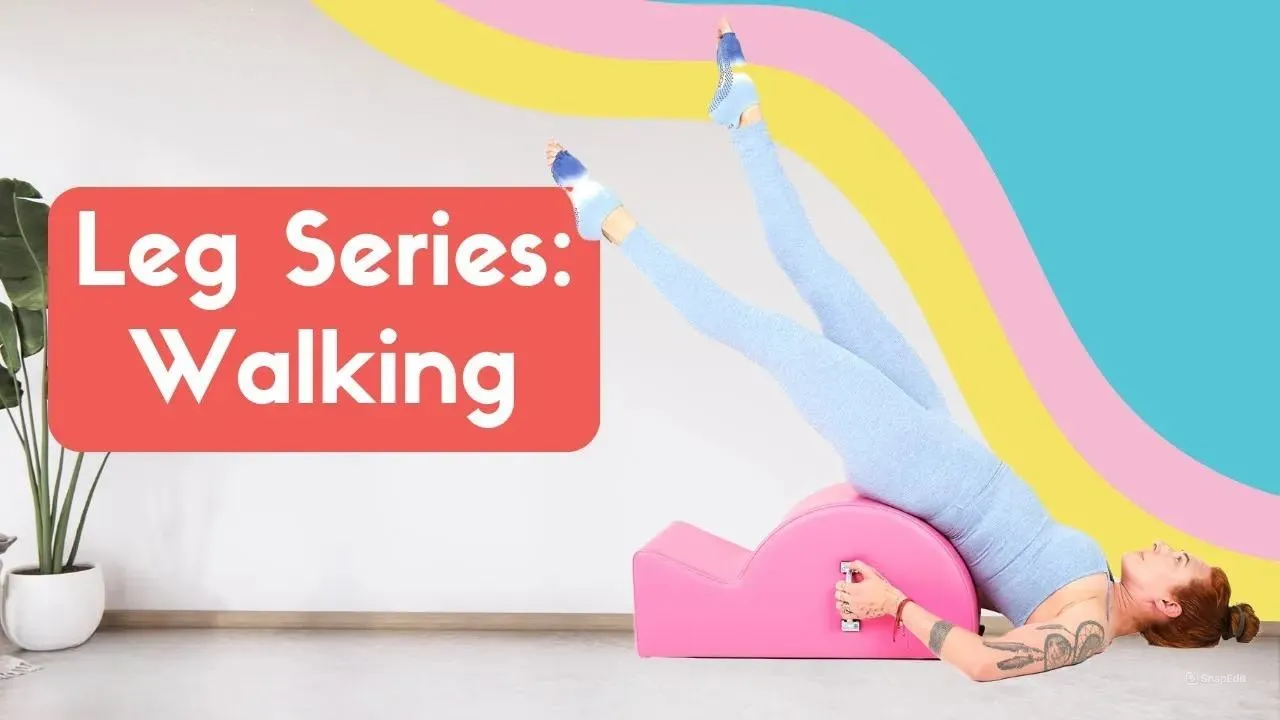
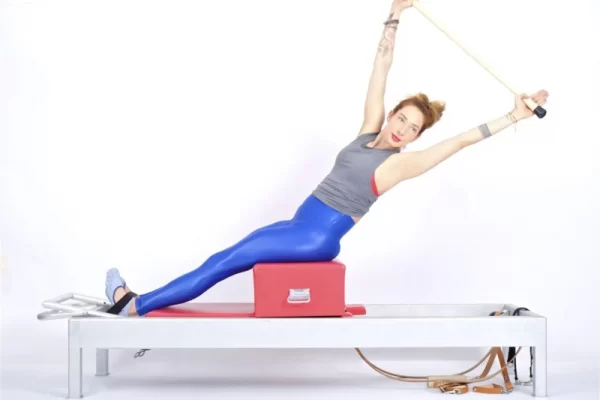
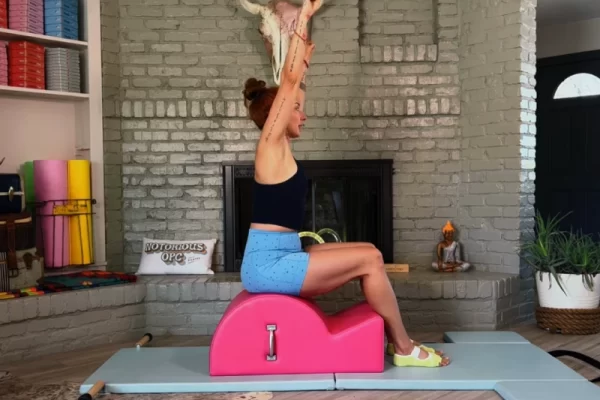
Pilates Walking exercise on the Spine Corrector.
This movement is popular for its ability to improve posture while maintaining balance and body stability. During practice, it not only activates the core muscle groups but also helps lengthen the spine, reduce tension, and support proper spinal alignment. In addition, this exercise is particularly beneficial for office workers who often experience lower back pain or spinal discomfort due to prolonged sitting.
The Walking movement on the Spine Corrector is commonly incorporated into Pilates sessions as a warm-up exercise to enhance movement control and prepare the body for more advanced exercises.
Health Benefits of the Pilates Walking Exercise on the Spine Corrector
The Walking exercise on the Spine Corrector is widely favored for its outstanding health benefits when practiced regularly, including:
1. Improving standing and sitting posture
One of the greatest benefits of the Pilates Walking exercise on the Spine Corrector is posture improvement. The spine is supported and gently lengthened during the exercise, helping practitioners correct their standing and sitting posture. This is especially important for individuals who sit for long hours, such as office workers, to prevent back and shoulder issues caused by poor posture.
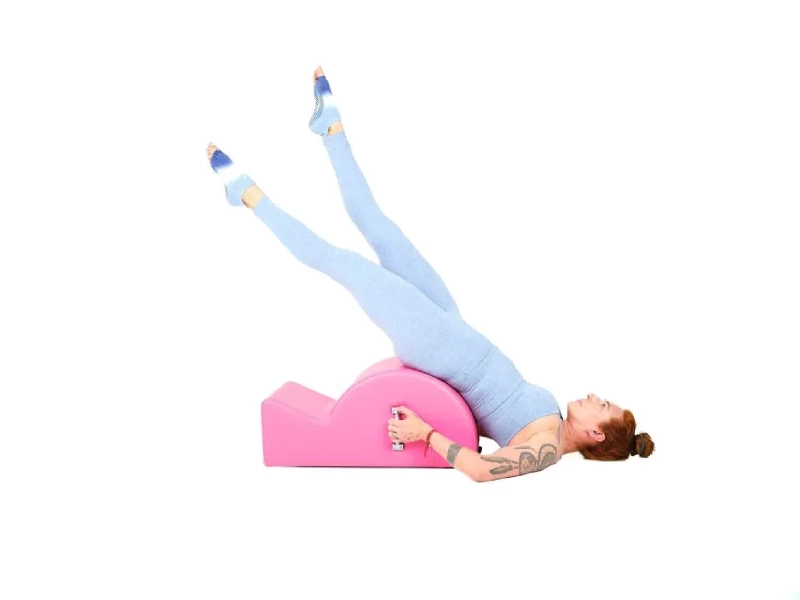
Walking exercises on the Spine Corrector help improve standing and sitting posture.
2. Supporting the spine and reducing back pain
The Spine Corrector helps maintain the natural curvature of the spine during movement, which contributes to reducing tension and lower back pain. The Pilates Walking exercise not only strengthens the core muscles but also supports spinal health, reduces pressure, and helps prevent injuries. For individuals who frequently experience back pain, this exercise is an ideal choice.
3. Enhancing balance and overall flexibility
Corrector requires coordinated movement and The Pilates Walking exercise on the controlled balance. This helps improve balance while increasing joint flexibility, especially in the hips and legs. Improved balance also has positive effects on daily life, reducing the risk of falls and enhancing overall mobility.
4. Promoting muscle flexibility, especially in the hips and lower back
Pilates Walking on the Spine Corrector does not only focus on the spine but also strongly engages surrounding muscles, particularly the hips, thighs, and lower back. As these muscles are stretched and strengthened, they become more flexible and resilient, supporting long-term strength and mobility in daily activities.
Detailed Instructions for Performing the Pilates Walking Exercise on the Spine Corrector
The Walking exercise on the Spine Corrector consists of movements that simulate walking, combined with breath control and body awareness. Follow these detailed steps:
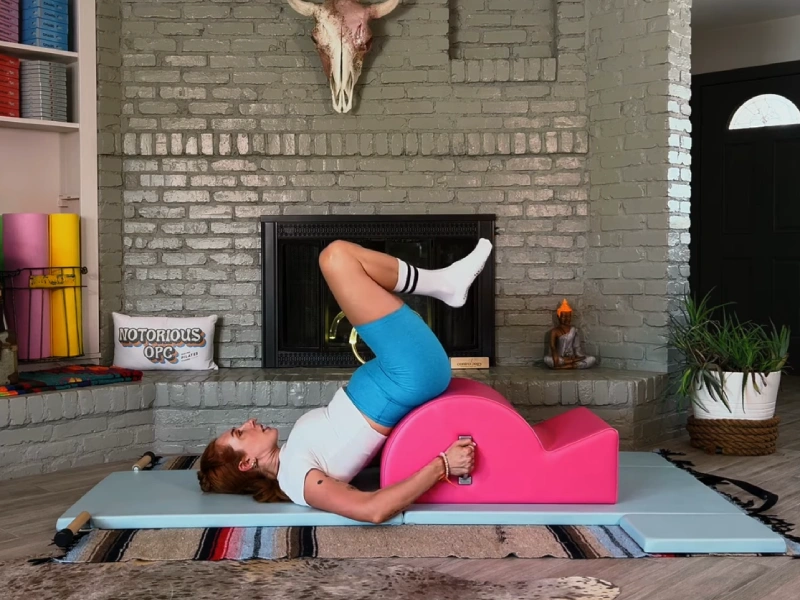
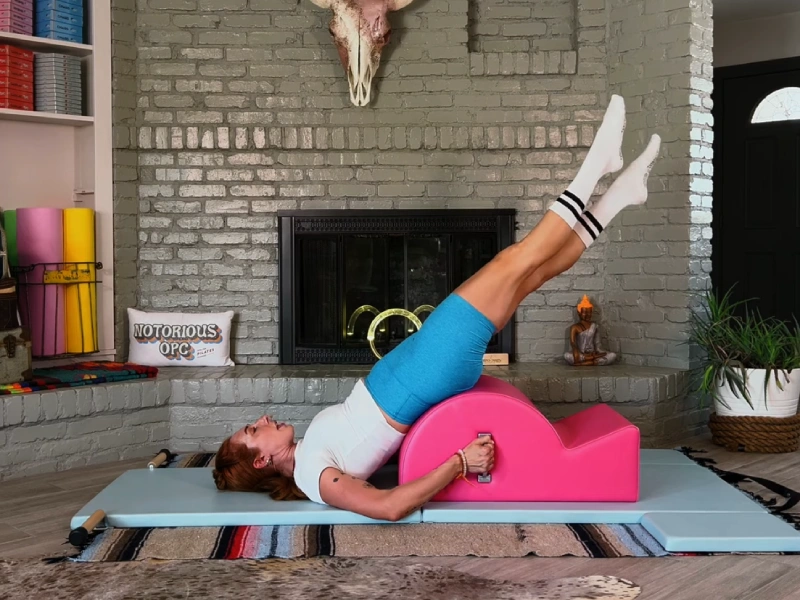
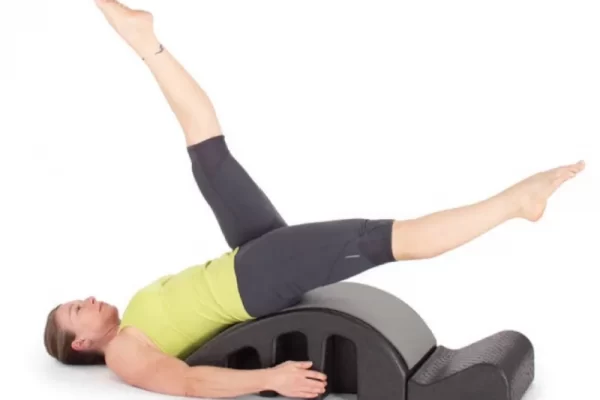
Steps to perform the Pilates Walking exercise on the Spine Corrector.
- Sit on the top edge of the Spine Corrector, ensuring your hips are stable and your back rests comfortably against the curved surface.
- Place your hands beside your hips or hold the edges of the Spine Corrector to maintain balance.
- Extend both legs straight forward, with heels touching the floor and toes pointing upward.
- Lift one leg off the ground, extend it forward with the toes reaching out, while the other leg remains stable. Lower the leg and switch sides, alternating in a walking motion. Throughout the movement, keep your spine upright, shoulders relaxed, and avoid leaning to either side.
- Repeat the movement 8-10 times.
Important Notes to Avoid Injury
To ensure effectiveness and prevent injury while practicing the Walking exercise on the Spine Corrector, keep the following points in mind:
- Avoid forcing your back into excessive extension or tension against the equipment. The Spine Corrector is designed to support the spine naturally, so maintain a comfortable yet upright spinal position throughout the movement.
- Do not move too quickly or lose control during the exercise. The goal of Pilates Walking is precision and fluidity, not speed. Move slowly, maintain balance, and avoid sudden or jerky leg lifts.
- If you experience pain or discomfort during practice, stop immediately. Adjust your posture or rest as needed. Individuals with existing spinal or back conditions should consult a doctor or professional instructor before performing this exercise.
With the Pilates Walking exercise on the Spine Corrector, you can improve posture, enhance balance, and strengthen your core muscles. Practice consistently to clearly feel the positive changes in your body.