

Pilates Up Stretch on the Reformer: Technique, Benefits, and Step by Step Guide
12/01/2026The Pilates Up Stretch on the Reformer is not just a simple strength training exercise; it’s an integral part of the Pilates training program designed to improve flexibility, spinal strength, and body stability. Let’s explore the detailed steps and the key benefits of up stretch in the article below.
Introduction to Pilates Up Stretch on the Reformer
Pilates Up Stretch on the Reformer is not just a simple strength exercise; it is an essential part of a Pilates training sequence designed to improve flexibility, spinal strength, and overall body stability. Let’s explore the detailed execution steps and the standout benefits of Up Stretch in the guide below.
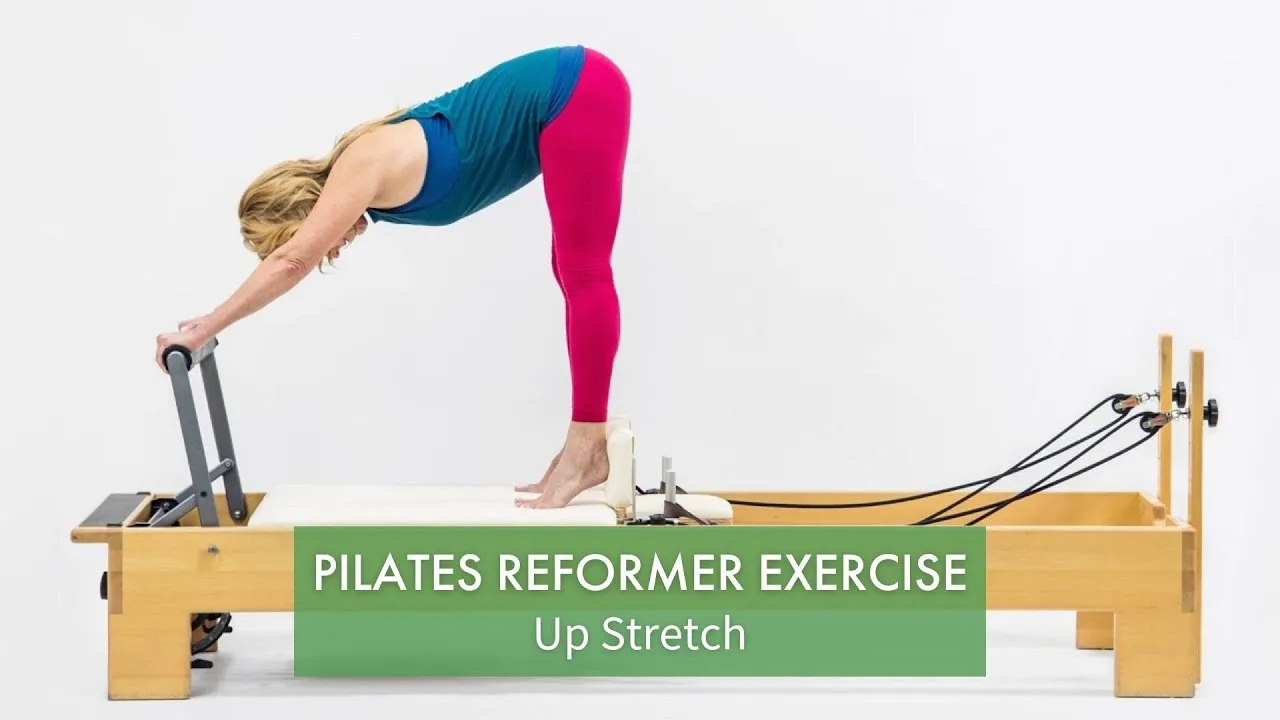
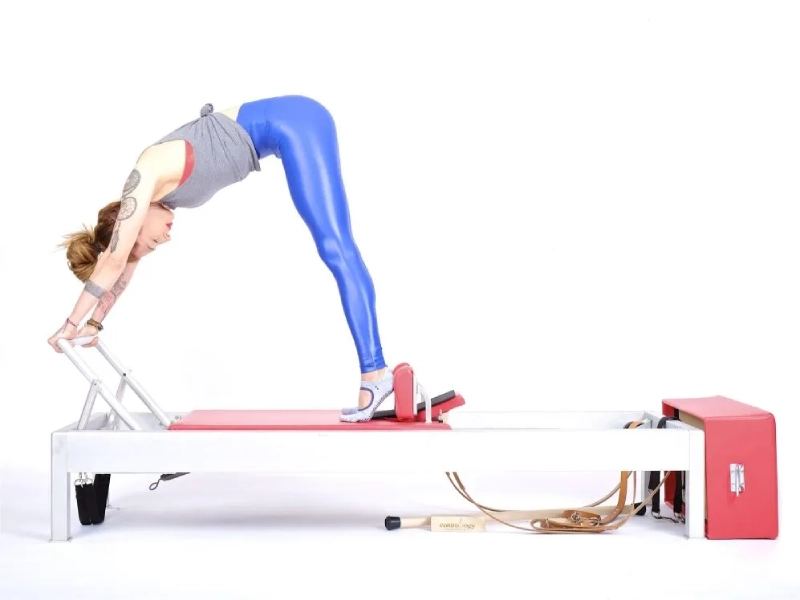
Pilates Up Stretch exercise on the Reformer.
Up Stretch on the Reformer is a classical Pilates exercise performed on the Reformer machine one of the most widely used Pilates apparatuses for enhancing strength, flexibility, and body control. This exercise focuses on improving spinal mobility and core engagement while also strengthening major muscle groups such as the abdominals, back muscles, and thighs.
During the Up Stretch exercise, practitioners move from a Plank position into an inverted “V” shape and back again, supported by the Reformer carriage. This movement requires precise coordination, balance, and control. The exercise not only lengthens the spine but also builds muscular strength, particularly in the abdominals and lower back.
Benefits of Pilates Up Stretch on the Reformer
Below are some of the key benefits of Pilates Up Stretch on the Reformer:
- Strengthens core muscles: Up Stretch deeply activates the core muscle groups, improving overall strength and body stability.
- Improves spinal flexibility: The exercise helps lengthen and mobilize the spine, reducing tension and discomfort in the back.
- Enhances body control: Performing the movement with precision requires high concentration and control, improving body awareness.
- Boosts balance and coordination: The transition between positions enhances balance and coordination among multiple muscle groups.
Detailed Guide to Performing Pilates Up Stretch on the Reformer
Pilates Up Stretch on the Reformer is a movement that demands harmony between strength, flexibility, and body control. Below is a step by step guide to help you perform the exercise accurately and effectively.
1. Preparation and Starting Position
Reformer setup:
Ensure your Reformer is adjusted with appropriate spring resistance based on your level and ability. Typically, light to medium springs are recommended to maintain stability throughout the exercise.
Starting posture:
- Stand on the Reformer carriage with your feet placed near the back edge of the carriage. Position your hands firmly on the shoulder blocks or the footbar, depending on your arm length.
- Begin in a Plank position, forming a straight line from head to heels. Legs should be extended, with feet grounded securely on the carriage.
- Make sure your shoulders are stacked directly over your wrists, and keep your neck aligned with the spine.
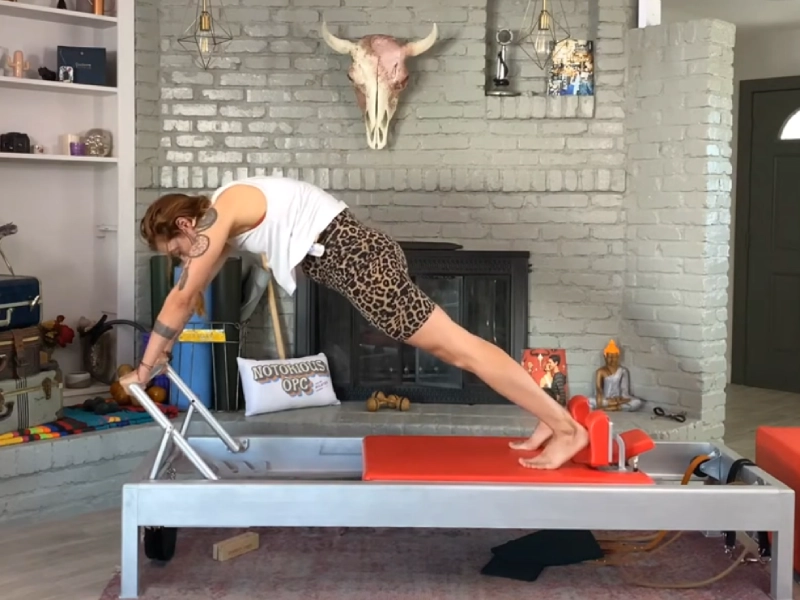
Performing Pilates Up Stretch on the Reformer.
2. Performing Pilates Up Stretch on the Reformer
- Inhale to prepare, engaging the abdominals and thighs. Maintain balance as you lift your hips upward into an inverted “V” (Downward Dog) position on the Reformer.
- As you move, allow the head to drop gently between the arms, keeping the neck relaxed.
- Continue lengthening the spine while maintaining shoulder stability throughout the movement.
- Exhale as you engage the core and slowly lower the hips, moving the carriage back to return to the initial Plank position.
- Keep the lower back neutral, avoid dropping the hips too low, and prevent the shoulders from drifting past the wrists.
- Control the carriage movement to avoid jerky motions and ensure smooth, fluid transitions.
3. Repetitions
- Number of repetitions: Perform 5-10 repetitions depending on your experience and training goals. Beginners should start with fewer repetitions and gradually increase as technique improves.
- Variations: To increase difficulty, you may use stronger springs or lift one foot off the carriage while performing the movement, adding a greater challenge to core strength and balance.
4. Finishing the Exercise
- Return to starting position: After completing the repetitions, inhale deeply and exhale as you slowly bring the carriage back to its resting position, returning to an upright standing posture on the Reformer.
- Relaxation: Pause for a few seconds, release tension, and breathe deeply to help the muscles relax and recover after the exercise.
Common Mistakes and How to Correct Them When Performing Up Stretch
Pilates Up Stretch on the Reformer requires precise technique and body control. Although highly effective, several common mistakes can occur if alignment and control are not maintained. Below are frequent errors and how to correct them to ensure safe and effective practice.
Common mistakes and how to fix them when performing the Up Stretch exercise.
1. Dropping the hips too low in Plank
One of the most common mistakes is allowing the hips to drop too low in the Plank position, which overarches the lower back and places excess stress on the spine, potentially causing back pain.
Correction:
- Ensure your hips stay level with your shoulders in Plank.
- Engage the abdominal muscles and keep the lower back flat. If needed, ask an instructor to assist with alignment or focus on maintaining strong core support.
2. Lack of shoulder stability
Many practitioners allow the shoulders to drift forward or become unstable when transitioning between Plank and the inverted “V,” leading to shoulder strain or injury.
Correction:
- Keep the shoulders stable by drawing them down and back, away from the ears.
- Maintain consistent shoulder engagement throughout the entire movement.
3. Poor control of the Reformer carriage
Another common issue is failing to control the Reformer carriage, resulting in jerky or uneven movements that reduce exercise effectiveness.
Correction:
- Focus on controlling every phase of the carriage movement. Move slowly and with intention, especially when returning to Plank.
- Use your breath to guide and regulate movement speed.
4. Incorrect foot placement
Mistake: Placing the feet incorrectly or allowing them to slip on the carriage can compromise stability and place unnecessary stress on the knees or ankles.
Correction:
- Position your feet fir and correctly on the Reformer carriage, with toes pointing forward and feet hip-width apart.
- Keep the feet stable and moving in coordination with the upper body throughout the exercise.
Practicing Pilates Up Stretch on the Reformer helps develop core strength, spinal flexibility, and refined body control. By following these detailed instructions and avoiding common mistakes, you can maximize training effectiveness while minimizing the risk of injury. Wishing you the best results in every Pilates session.