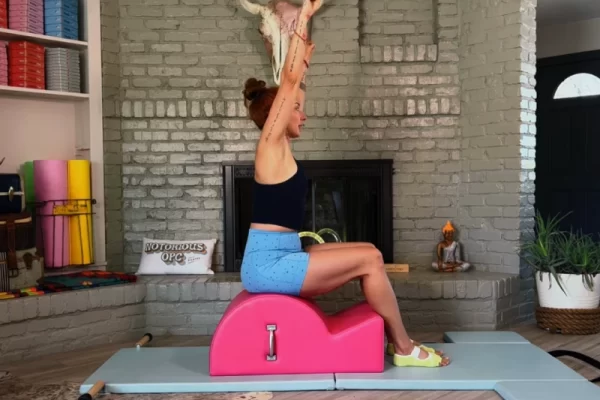


Pilates Training Your Backbend exercise on the Spine Corrector
03/02/2026Spinal health is the foundation for a flexible and active body. However, habits such as prolonged sitting and lack of movement can lead to back pain and reduced flexibility. To improve this condition, the Pilates Training Your Backbend exercise on the Spine Corrector is a solution that helps strengthen the back, support a healthy spine, and prevent posture related issues.
Introduction to Pilates Training Your Backbend exercise on the Spine Corrector
Pilates Training Your Backbend exercise on the Spine Corrector is a specialized Pilates exercise that focuses on performing backbend movements with the support of the Spine Corrector. This exercise is designed to enhance spinal flexibility, strengthen the back muscles, and improve overall posture.
What sets this exercise apart is the backbend motion, which involves stretching and expanding the spine backward. This maximally stretches the back, chest, and abdominal muscles. When performed on the Spine Corrector, a curved device, the exercise becomes safer and more accurate, reducing spinal pressure and promoting correct posture alignment.
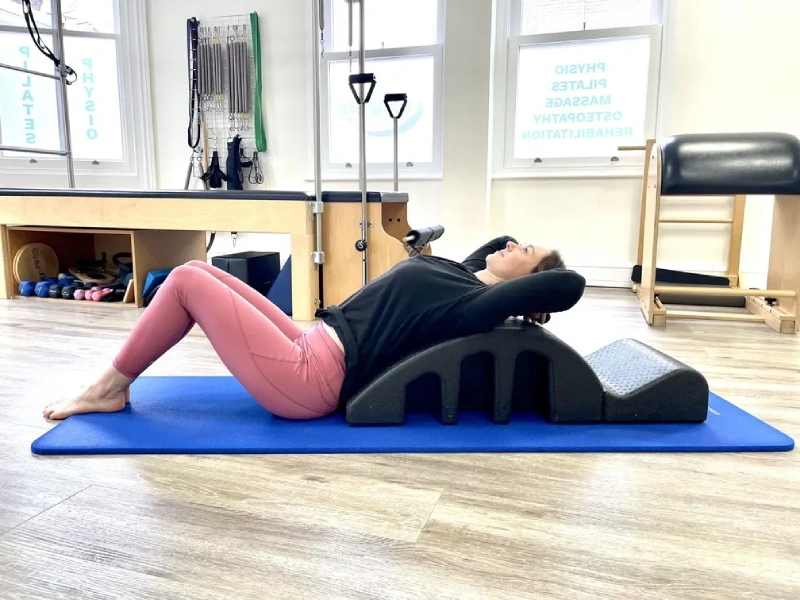
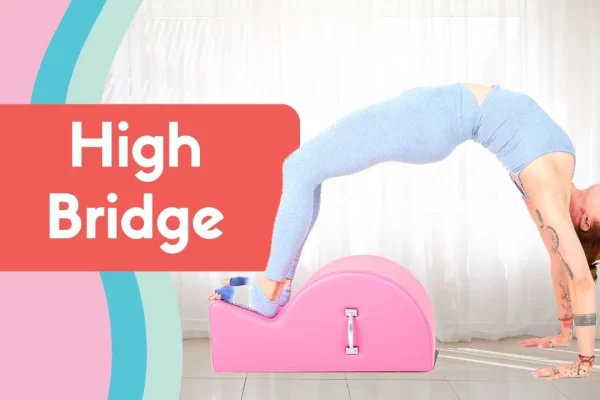
Pilates Training Your Backbend exercise on the Spine Corrector.
Training Your Backbend can be performed sitting or lying on the curved surface of the Spine Corrector. The exercise involves leaning back slowly, allowing the back to stretch along the device’s surface, and then using the abdominal muscles to return to the starting position.
This exercise is suitable for both beginners and experienced practitioners. With proper adjustments and support from the Spine Corrector, even those new to Pilates can perform this exercise effectively. The key is to maintain proper technique, control each movement, and improve flexibility and spinal health over time.
Benefits of Pilates Training Your Backbend on the Spine Corrector
Pilates Training Your Backbend exercise on the Spine Corrector provides numerous health and fitness benefits, especially for the spine and back muscles. Here are the main advantages:
1. Enhance Flexibility and Muscle Stretching
Backbend is an excellent stretching exercise for the back and spine. With the support of the Spine Corrector, the practitioner can perform the backbend more safely and comfortably. The Spine Corrector maximizes the stretching of the back, chest, and abdominal muscles, improving overall body flexibility and endurance.
2. Strengthen Spinal Health and Back Muscles
The Spine Corrector provides crucial spinal support during the backbend, allowing the practitioner to enhance spinal structure and flexibility without the risk of injury. This is particularly beneficial for those with sedentary jobs or those experiencing back pain or spinal tension. The exercise strengthens core muscles, protecting the spine and alleviating pain effectively.
3. Reduce Back Pain and Improve Posture
Pilates Training Your Backbend exercise on the Spine Corrector alleviates tension in the lower back, an area that typically bears a lot of strain due to poor posture when sitting or standing. By practicing the backbend regularly, practitioners will notice a significant reduction in back pain and a noticeable improvement in posture. A straighter back and stronger muscles will result in a lighter, more comfortable body during everyday activities.
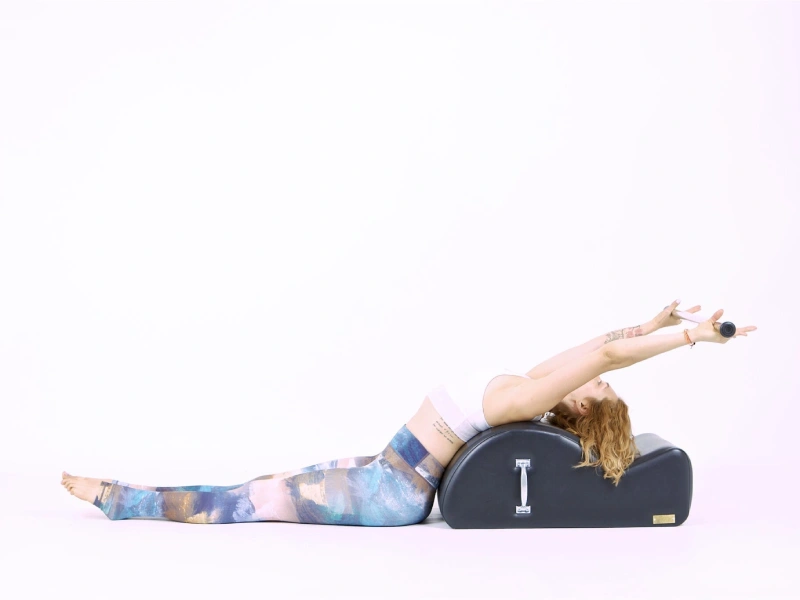
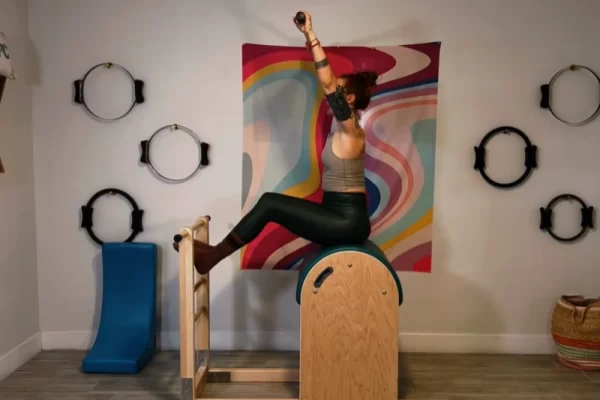
The backbend on the Spine Corrector helps relieve back pain and improve posture effectively.
4. Balance Emotions and Boost Energy
Training Your Backbend is a full body stretch that opens the chest and improves breathing. Deep and controlled breathing during the exercise delivers more oxygen to the body, helping to
stimulate energy and reduce stress. This benefits not only physical health but also emotional balance by easing anxiety and boosting a positive mindset.
5. Improve Body Control
Pilates emphasizes body control and optimal movement. With the Spine Corrector, practitioners can improve their ability to control specific muscle groups from the back and chest to the abdominal muscles. This increased awareness helps refine technique and achieve better results in overall health.
Detailed Guide to Performing the Training Your Backbend on the Spine Corrector
To perform the Pilates Training Your Backbend exercise on the Spine Corrector safely and effectively, it’s essential to follow the steps correctly, paying attention to technique and body control. Here’s a detailed guide to performing this exercise:
Preparation:
- Equipment: Spine Corrector (a Pilates arc-shaped barrel).
- Position: Place the Spine Corrector on the mat, ensuring it doesn’t slip.
Steps to Perform the Training Your Backbend on the Spine Corrector:
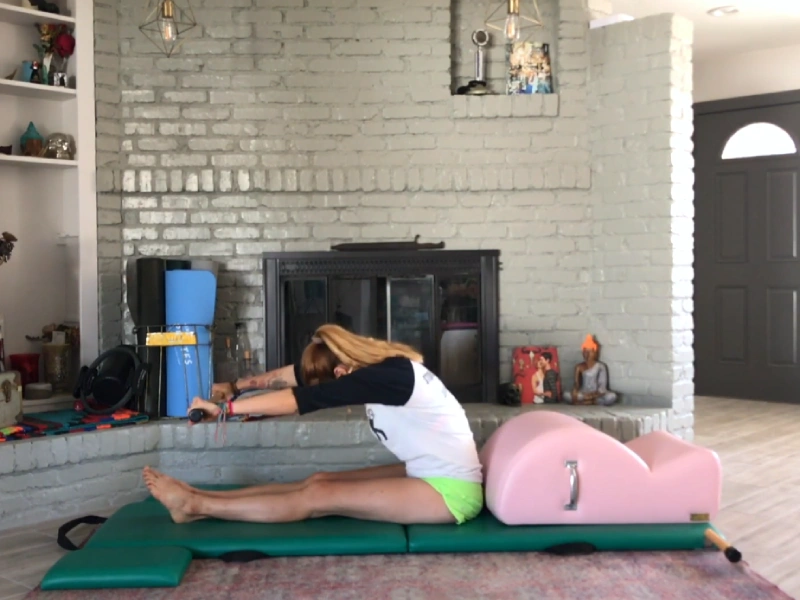
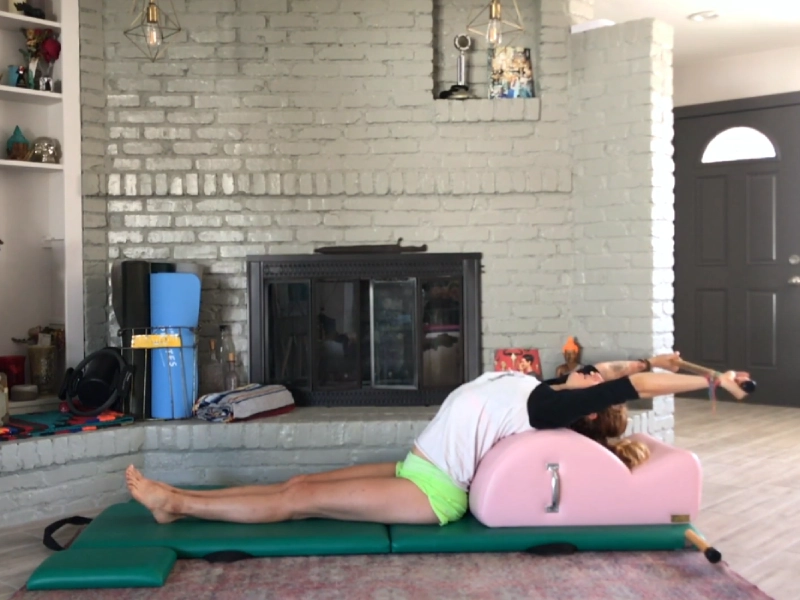
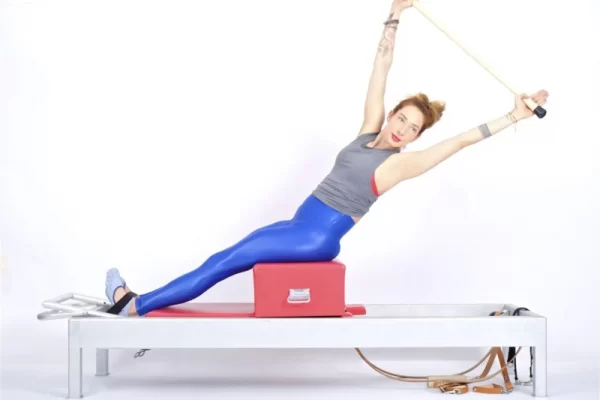
Perform the Training Your Backbend on the Spine Corrector.
- Sit at the top of the Spine Corrector, making sure your hips are positioned on the highest part of the device.
- Place your feet flat on the mat, bending your knees so your feet touch the floor, and spread your legs shoulder width apart to maintain better balance.
- Rest your hands lightly on your thighs or on the sides to prepare for the exercise.
- Slowly lean backward, allowing your upper back to rest on the surface of the Spine Corrector.
- As your upper back and head make contact with the device, you may extend your arms overhead or place them behind your head for neck support.
- Maintain the backbend position, feeling the stretch in your chest, abdomen, and spine. Breathe deeply and evenly for 3-5 breaths.
- Pull your hands back and slowly roll your body forward, using your abdominal muscles to return to the starting position.
- Repeat the exercise 3-5 times, focusing on slow, controlled movements rather than relying on momentum.
Important Notes When Performing the Training Your Backbend on the Spine Corrector
Before beginning backbend training with the Spine Corrector, remember that the quality of movement is more important than the number of repetitions. Below are some key tips to keep in mind during the exercise:
- Always warm up the primary muscle groups, such as the back, shoulders, hips, and core, to increase flexibility and warm up the joints.
- Sit close to the curve of the Spine Corrector. Ensure your tailbone and lower back are securely supported by the curved surface to achieve optimal support and avoid shifting your center of gravity too far forward or backward.
- When leaning back, actively curl each vertebra up the curve of the Spine Corrector, starting from the tailbone and moving up to the mid and upper back. Avoid bending your entire back at once, as this helps distribute pressure evenly along the spine and reduces strain on the lower back.
- Always engage your core muscles (abdomen, lower back, and obliques) to control the movement and maintain a lengthened spine instead of over arching.
- Inhale as you open your chest and exhale when returning to the starting position. Consistent breathing improves control and reduces tension in the body.
- For those with limited spinal flexibility, begin with smaller ranges of motion and gradually increase over time.
Pilates Training Your Backbend exercise on the Spine Corrector is an excellent exercise for increasing flexibility, strengthening the back, and improving posture. Regular practice, combined with attention to proper form and avoiding common mistakes, will provide optimal health benefits and improve your overall physical well being.