

Pilates Swan Dive Exercise: How to Perform, Benefits, and Key Practice Notes
29/12/2025Amid the graceful movements of Pilates, the Pilates Swan Dive exercise stands out like the elegant glide of a swan across a still lake. More than just a movement, it is a journey that awakens the hidden strength of the lower back, opens the spine, and activates inner energy. In this article, you will discover not only the correct and safe execution technique, but also deeper insights into how this exercise nurtures the body each vertebra, each breath. Prepare to experience Pilates in a way you may have never imagined before.
What Is the Pilates Swan Dive Exercise?
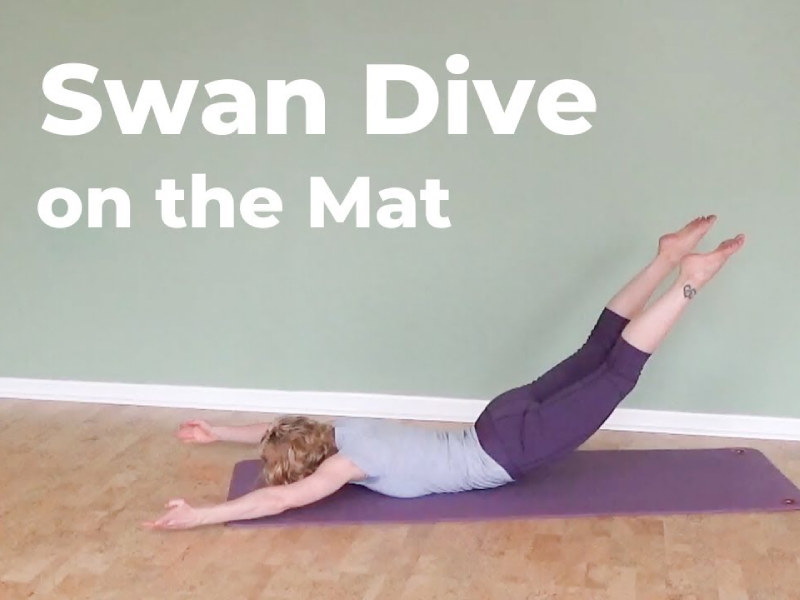
The Pilates Swan Dive exercise is designed to stretch and strengthen the muscles of the back, shoulders, and glutes. This exercise involves lying prone on the mat, lifting both arms and legs off the floor while raising the head and chest as high as possible. It is commonly classified as an intermediate level Pilates exercise.

The Swan Dive pose in Pilates.
The Swan Dive helps improve flexibility and strength in the back and core muscles while supporting proper posture. It is a popular movement in Pilates classes and can be modified to suit different fitness levels and skill abilities. Understanding the correct technique is essential to perform this exercise safely and effectively.
How to Perform the Pilates Swan Dive Exercise
The focus of this intermediate Pilates exercise called the Pilates Swan Dive is on the back, shoulders, and glute muscles. Follow these steps to perform the Swan Dive correctly:
- Lie prone on the mat with your legs hip width apart and your arms extended forward.
- Lengthen the tailbone toward the heels and the crown of the head toward the top of the mat to stretch the spine while keeping the head lowered.
- Inhale deeply and lift both arms and legs off the mat while extending the head and chest as high as possible. Your legs should lift from the hips, and your arms should reach back.
- Exhale as you lower your arms and legs back to the mat while maintaining control of the lifted position.
- Continue breathing in rhythm with the movement for several repetitions.

Steps to perform the Pilates Swan Dive exercise.
Guidelines for Performing the Swan Dive Exercise
- Keep the body relaxed and the shoulders away from the ears.
- Engage the core muscles to support the lower back.
- Avoid overextending the neck or lower back.
- Focus on controlled and precise movements rather than rushing through the exercise.
Benefits of Practicing the Pilates Swan Dive Exercise
The Pilates Swan Dive exercise offers the following benefits:
- Strengthens the back muscles: The Swan Dive targets the erector spinae, rhomboids, and trapezius muscles. Strengthening these muscles can help reduce the risk of back pain and improve posture.
- Improves flexibility: Stretching the muscles of the back, shoulders, and glutes enhances flexibility. Regular practice can increase range of motion in these areas.
- Enhances core engagement: The Swan Dive requires core stability to protect the lower back and maintain proper alignment, helping strengthen the abdominal muscles.
- Stimulates blood circulation: Extending the spine and lifting the chest encourages blood flow to the back and supports healthy circulation.
- Improves mind body connection: Coordinating breath with movement during the exercise enhances body awareness and strengthens the mind body connection.
Overall, the Pilates Swan Dive is an excellent exercise for building back strength, increasing flexibility, and reinforcing core stability. Performing the movement with correct technique and posture is essential to prevent injury and achieve maximum benefits.
Important Notes When Practicing the Swan Dive
Suitable Participants
The Swan Dive is a relatively gentle exercise and is suitable for many individuals, from beginners to those with more Pilates experience. However, people with serious spinal conditions or back injuries should consult a medical professional before attempting this exercise.
Note: Although the exercise appears gentle, incorrect technique can still lead to unnecessary strain or injury.
Things to keep in mind when doing Pilates The Swan Dive.
Common Mistakes
- Overarching the back: This places excessive pressure on the spine and may cause back pain.
- Incorrect hand placement: Placing the hands too close or too far from the shoulders reduces effectiveness and increases injury risk.
- Lifting the head too high: Excessive head lift can strain the neck and lead to headaches.
- Lack of core engagement: Without engaging the abdominal muscles, spinal support is reduced, increasing the risk of lower back discomfort.
How to Correct These Issues
- Back alignment: Focus on keeping the spine long and the core engaged throughout the movement.
- Hand placement: Ensure the hands are aligned with the shoulders and positioned at a comfortable distance.
- Head position: Lift the head only enough to feel activation in the back muscles no need to lift excessively.
- Core engagement: Maintain abdominal engagement throughout the exercise to support the spine. Variations
- Increase difficulty: To intensify the exercise, lift higher or hold the extended position longer.
- Decrease difficulty: Beginners may perform the movement more slowly and keep the hands on the mat for additional support.
The Pilates Swan Dive exercise not only builds strength and flexibility but also helps improve posture and reduce tension. With its wide range of benefits, adding the Swan Dive to your Pilates routine is a smart choice. Practice regularly and apply the guidelines above to achieve optimal results safely and effectively.