

Pilates Running on the Reformer: Benefits, Technique, and Key Tips
20/01/2026Pilates Running on the Reformer is a simple yet highly effective exercise suitable for all levels, especially ideal for beginners. This movement not only strengthens the legs but also improves posture, flexibility, and full body control. Discover how perform it correctly, its benefits, key precautions, and answers to common questions about Pilates Running on the Reformer in this article.
Introduction to Pilates Running on the Reformer
Pilates Running on the Reformer simulates a running motion performed on the Reformer Pilates’ signature apparatus that uses a spring based resistance system. The practitioner lies supine on the moving carriage, places both feet on the footbar, and alternates pressing and lowering the heels as if running.
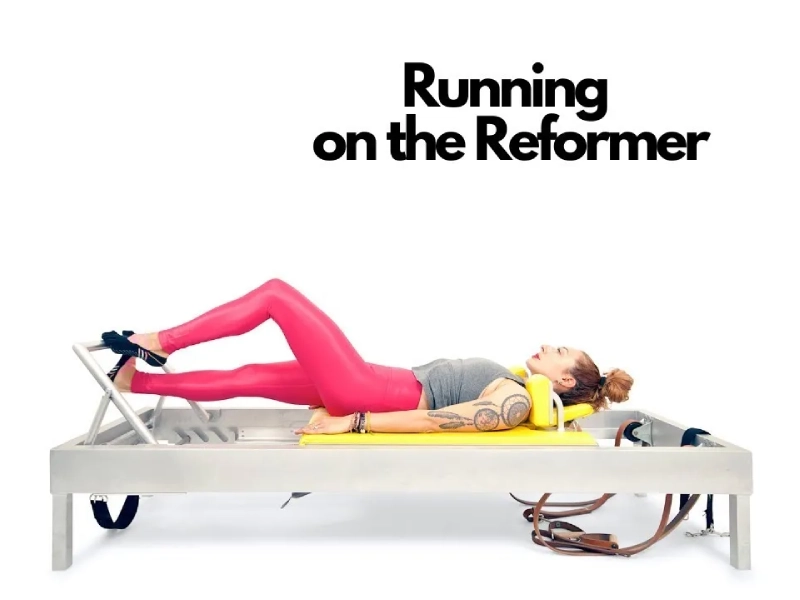
Pilates Running exercise on the Reformer.
This exercise is commonly placed at the end of the Footwork sequence, serving as a full body check in after warming up the entire movement system.
Unlike traditional running on a stable surface, Pilates Running on the Reformer requires balance on a moving carriage. This demands greater muscular control while enhancing joint mobility. As a result, the exercise not only builds leg strength but also improves posture and core stability.
Benefits of Pilates Running on the Reformer
Below are the key benefits of Pilates Running on the Reformer:
1. Strengthens and stabilizes the legs
Pilates Running on the Reformer is excellent for building leg strength and stability. As the carriage moves, you must maintain balance and control through both legs. This strongly activates the quadriceps, calves, and hip muscles, helping develop strength and endurance.
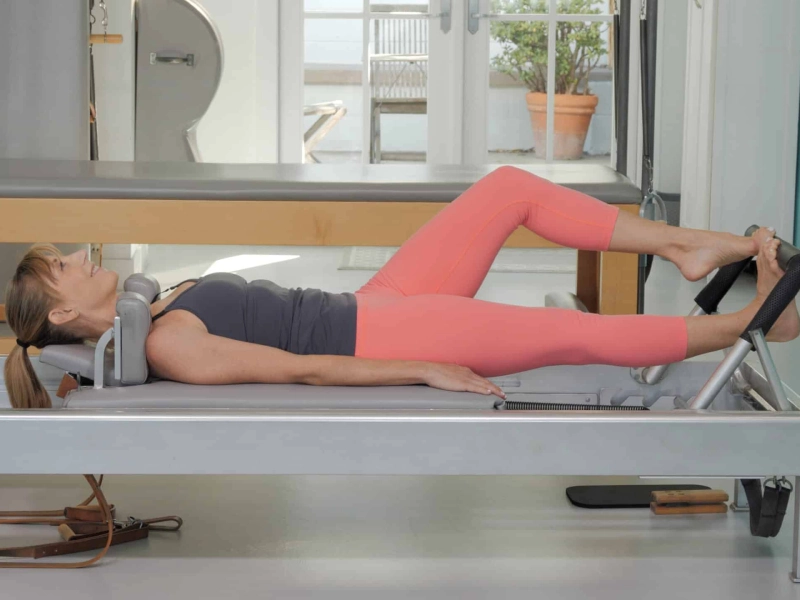
Benefits of the Running on Reformer exercise.
In addition, Pilates Running on the Reformer improves balance and stability essential elements for sports performance and everyday movement.
2. Enhances core engagement and posture
To keep the pelvis stable, continuous core engagement is required. This strengthens the abdominal muscles and lower back while improving overall posture, an important factor in injury prevention and movement efficiency.
3. Supports cardiovascular health
Pilates Running on the Reformer is not only a strength exercise but also an effective form of cardiovascular training. The continuous running motion elevates the heart rate and enhances blood circulation.
This makes it an excellent way to combine strength training and cardio within a single exercise. Regular practice can improve cardiovascular health, boost energy levels, and reduce the risk of heart related conditions.
4. Increases flexibility and joint range of motion
Lowering the heels helps stretch the ankles and calves while improving the range of motion inthe knees and hips. This is a key factor in maintaining fluid movement and reducing the risk of muscle tightness or cramps.
5. Balances the body and corrects asymmetries
Pilates Running on the Reformer is ideal for identifying and correcting imbalances between the two sides of the body. It promotes symmetry, improves walking and running mechanics, and helps prevent alignment related issues.
How to Perform Pilates Running on the Reformer
Follow these detailed steps to perform Pilates Running on the Reformer safely and effectively:
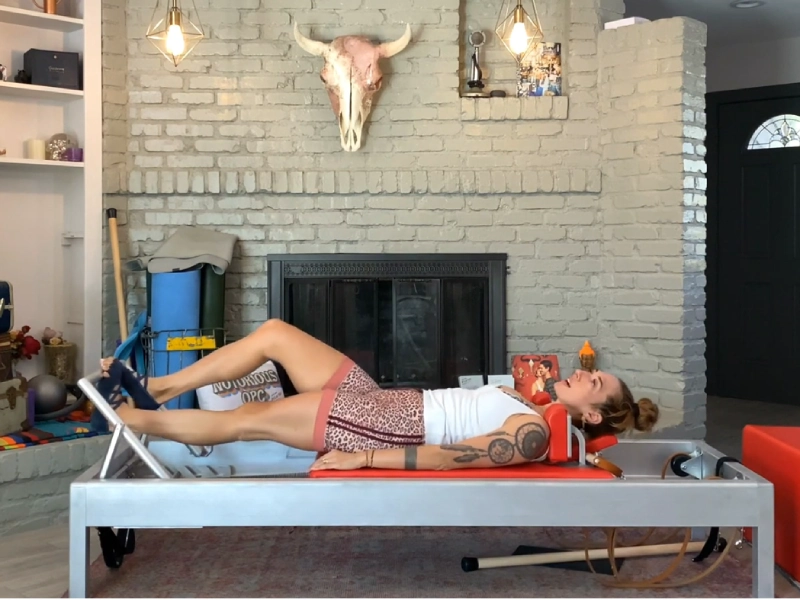
Perform Pilates Running on the Reformer.
- Begin by lying on your back on the Reformer. Place your feet on the footbar hip width apart. Rest your arms alongside your body with palms facing down, maintaining a relaxed yet stable position.
- Slowly press the carriage away by extending both legs, maintaining balance and controlled movement.
- Once the legs are fully extended, start the “running” motion by bending one knee toward the chest while the other leg stays straight and continues pressing into the footbar.
- Alternate legs continuously, mimicking a traditional running pattern. Ensure the extended leg presses firmly into the footbar to maintain tension and stability.
- Keep the core and lower back stable throughout, avoiding pelvic rocking or lifting the hips off the carriage.
- Continue for 1-2 minutes or your desired number of repetitions. To finish, extend both legs evenly, then slowly return the carriage to the starting position and rest.
Common Mistakes and How to Fix Them
By following the tips below, you can avoid common errors and perform Pilates Running on the Reformer more effectively:
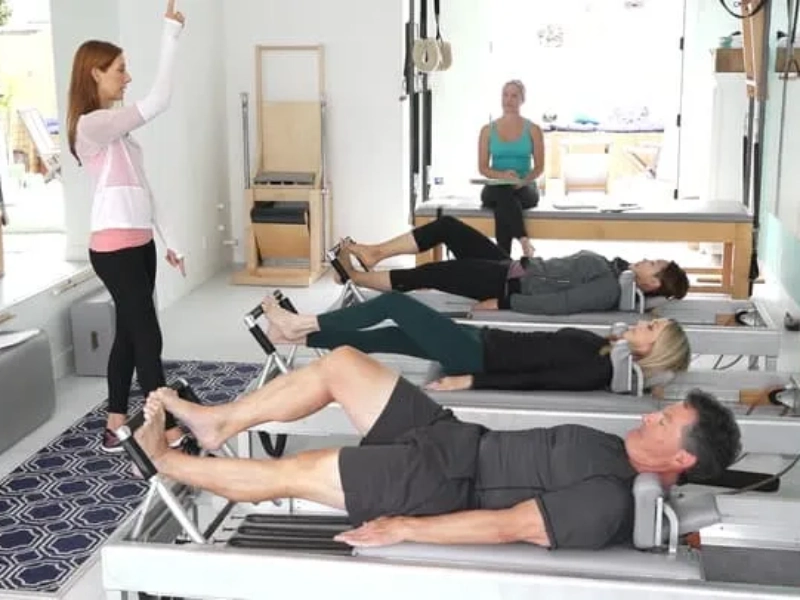
Common mistakes to avoid when performing the Running exercise on the Reformer.
- Pelvic rocking or instability: Often caused by insufficient core engagement or moving too quickly. Focus on activating the abdominal muscles, keeping the pelvis stable, and slowing down the movement.
- Excessive arching of the lower back or lifting the hips off the carriage: This indicates pushing too hard or losing control. Maintain the natural curve of the spine and keep the hips in contact with the carriage.
- Focusing only on the calves and neglecting full body connection: Pilates is a full body method. Stay aware of core, glutes, thighs, back, and even shoulder engagement during the movement.
- Moving too fast with little control: Slow, controlled movements activate deeper muscles and reduce injury risk. Prioritize quality over speed or repetition count.
Tips for Beginners Practicing Pilates Running on the Reformer
If you are new to Pilates Running on the Reformer, apply these simple yet highly effective tips to build confidence and correct technique from the start:
- Reduce repetitions: Beginners should perform fewer repetitions at a slower pace to become familiar with the movement and the Reformer’s mechanics.
- Increase support: Use lighter spring tension or additional assistance to reduce load on the legs and core, making the movement easier to control.
- Wear grip socks: Non-slip Pilates socks improve foot stability on the footbar, reduce slipping, and increase overall safety.
By adjusting spring tension and movement speed, you can easily modify the difficulty to suit your needs. This flexibility makes Pilates Running on the Reformer an ideal exercise for everyone from beginners to professional athletes.
Overall, Pilates Running on the Reformer offers comprehensive benefits, from strengthening the legs and improving posture to enhancing core stability and cardiovascular health. It is a valuable addition to any Pilates routine, helping you achieve your health and fitness goals efficiently and safely.