

Pilates Overhead Exercise on the Reformer: How to Perform, Benefits, and Safety Tips
12/01/2026Do you often feel tension and fatigue from persistent back pain? The Pilates Overhead exercise on the Reformer may be an ideal solution for you. In this article, we will guide you through how to perform this exercise correctly, highlight its outstanding benefits, and share important safety tips to help you train effectively on the Reformer.
Introduction to the Pilates Overhead Exercise on the Reformer
The Overhead exercise on the Reformer is one of the most challenging movements in the Pilates system. Designed to strengthen the core, improve flexibility, and enhance body control, this exercise requires a high level of concentration and a clear understanding of body mechanics.
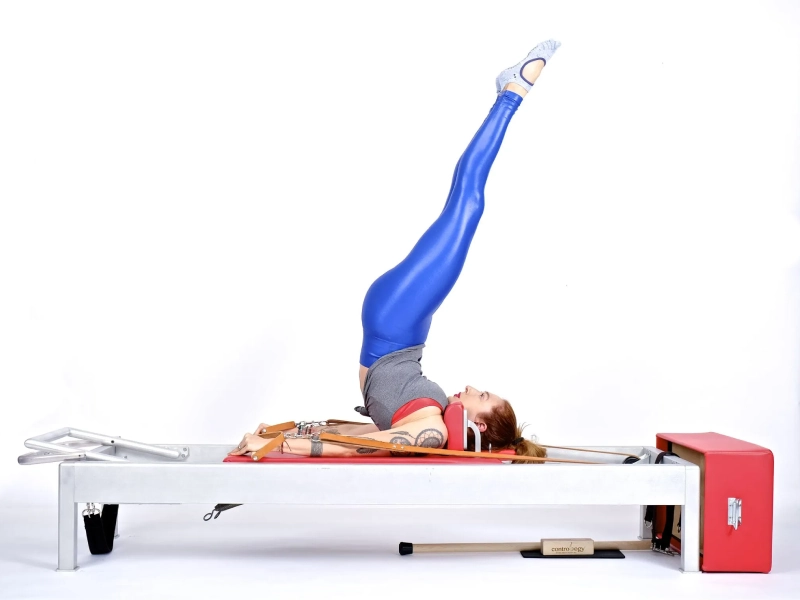
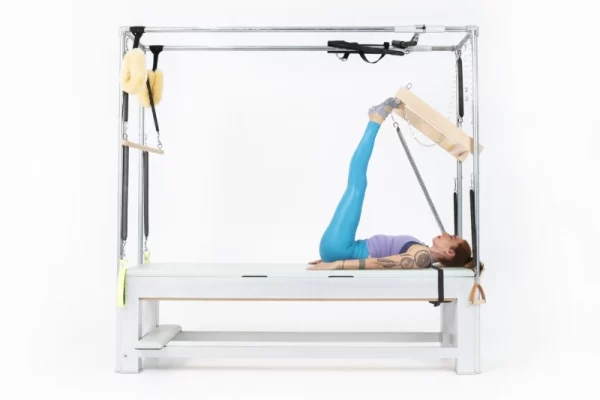
The overhead movement when performed on a Reformer machine.
The Reformer, with components such as the moving carriage, resistance springs, and straps, creates an ideal environment for performing the Overhead movement. In the Pilates Overhead exercise on the Reformer, the movement is similar to the Roll Over on the mat: the practitioner lies on their back, uses arm strength and core engagement to lift the legs and hips over the head, then slowly rolls the spine back down onto the carriage with control.
The Overhead exercise not only helps improve flexibility and balance but also supports strengthening the abdominal, back, and hip muscles. Performing this exercise correctly and safely is essential, as it helps prevent injury and maximizes benefits for the body.
Benefits of the Pilates Overhead Exercise on the Reformer
The Overhead exercise on the Reformer offers many significant benefits for overall health and physical conditioning, especially when performed correctly and consistently. Below are some key advantages:
Core Strength Enhancement
Pilates Overhead is an ideal exercise for strengthening and developing core muscles. When lifting the legs over the head, the abdominal, back, and hip muscles must work together to maintain stability and control. This process builds strength in these essential muscle groups, supporting daily activities and improving performance in other exercises.
Improved Flexibility and Balance
One of the primary goals of Pilates is to enhance flexibility and balance. The Pilates Overhead exercise on the Reformer requires stretching and lengthening of multiple muscle groups, particularly the back and legs.
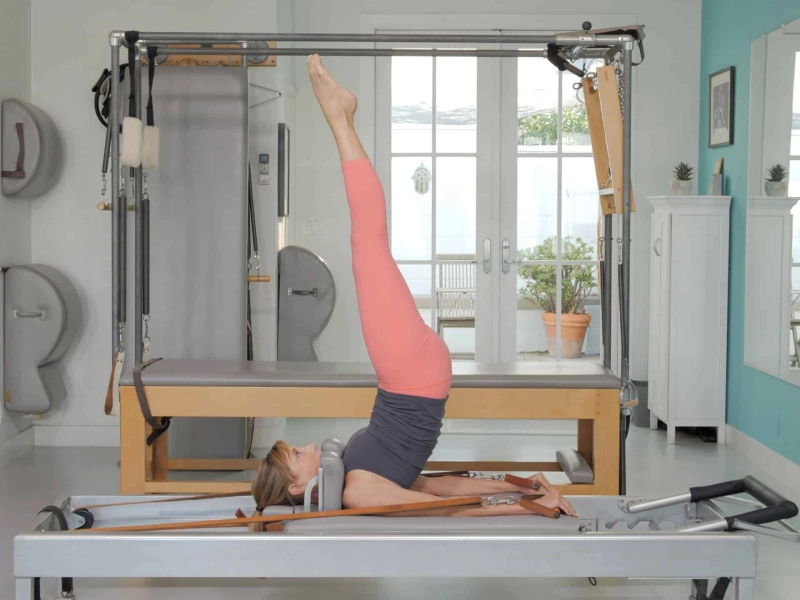
The overhead movement when performed on a Reformer machine.
This not only improves joint range of motion but also increases overall flexibility. At the same time, maintaining balance throughout the movement enhances body control and helps reduce the risk of injury.
Posture Improvement and Spinal Alignment
The Overhead exercise on the Reformer strengthens the muscles that support the spine, thereby improving posture and overall alignment. During practice, the muscles surrounding the spine work to keep the back aligned and stable, which helps reduce pressure on joints and discs, preventing back pain and other spinal issues. Good posture not only enhances physical appearance but also improves breathing efficiency and blood circulation.
How to Perform the Overhead Exercise on the Reformer
Steps to perform the Pilates Overhead exercise on the Reformer:
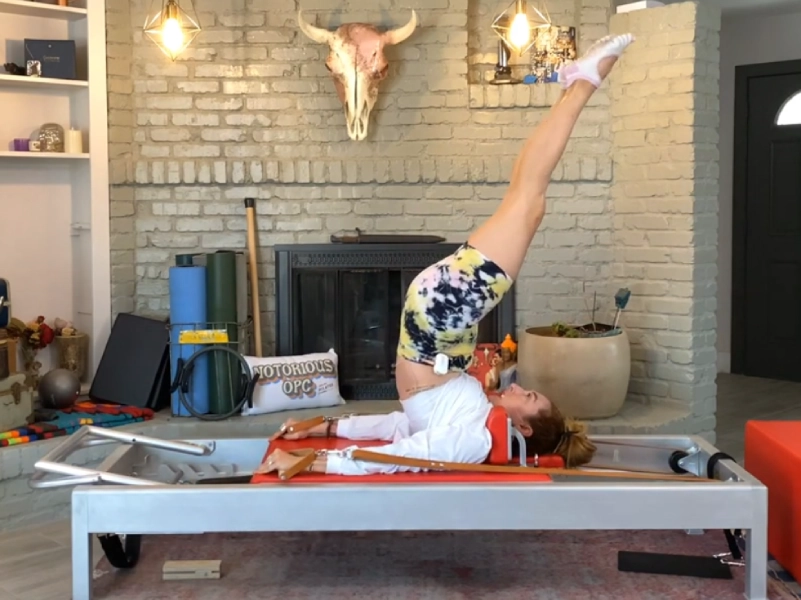
perform the Pilates Overhead exercise on the Reformer.
- Step 1: To prepare for Overhead on the Reformer, set two heavy springs on your Reformer and lower the headrest.
- Step 2: Lie on your back on the carriage, place your hands in the straps, and extend your arms upward toward the ceiling.
- Step 3: Extend your legs long on the carriage (do not place your feet on the footbar; keep the footbar lowered). Press your arms down into the carriage and lift your legs up. Your hips will lift off the carriage as you apply downward pressure through the arms.
- Step 4: Reach the legs long behind you, being careful not to let them drop too deeply toward the end of the carriage, which can happen if control is lost. From there, lift the legs upward toward the ceiling, then slowly roll the spine back down onto the carriage with control.
- Step 5: As the legs gradually lower toward the footbar, reach your arms back up toward the ceiling and return the carriage to the starting position with control.
- Step 6: Repeat these steps several times, maintaining a steady and controlled rhythm.
Safety Tips and Advice for Performing Overhead on the Reformer
Although the Overhead exercise on the Reformer offers many benefits, it requires special attention to technique and safety. Below are important tips and recommendations to ensure safe and effective practice:
Breathing and Body Control Awareness
Proper breathing is a key component of all Pilates exercises, especially the Overhead movement. Be sure to inhale deeply as you prepare for the movement and exhale as you lift the legs up and over the head. Steady breathing helps maintain stability and control while ensuring adequate oxygen supply to the muscles, reducing tension and preventing dizziness or fatigue.
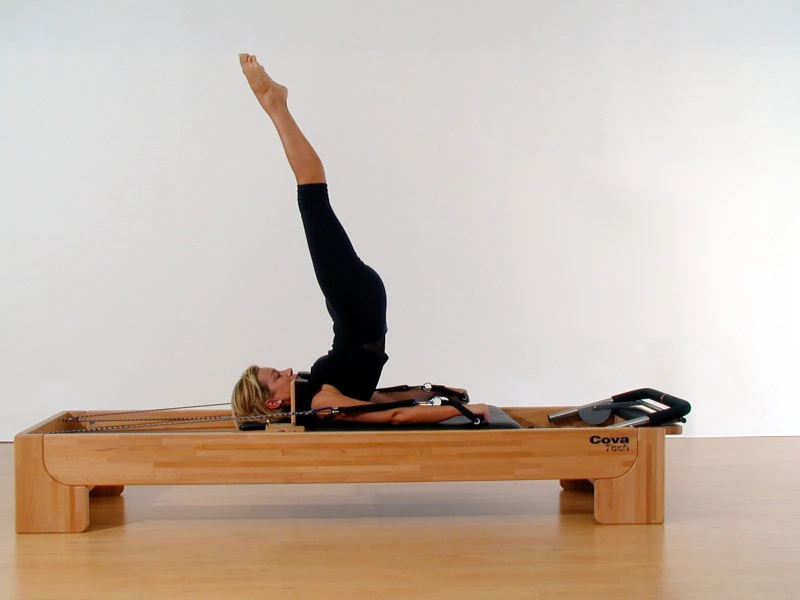
Safety tips and advice when performing Pilates Overhead on a Reformer.
How to Avoid Injury During Practice
Injuries can occur if the Pilates Overhead exercise on the Reformer is performed with incorrect technique or excessive effort. To minimize risk:
- Start slowly: Beginners should begin with basic Pilates exercises before attempting Overhead. This allows the body to adapt gradually and build sufficient strength for more advanced movements.
- Control the movement: Perform the exercise slowly and with control, focusing on maintaining proper spinal alignment and avoiding excessive arching. This helps reduce stress on the spine and joints.
- Use appropriate resistance: Adjust the Reformer springs to match your ability level. Avoid using springs that are too heavy, as this can lead to loss of control and increased injury risk.
When to Increase Intensity and Duration
Increasing intensity and duration should only be considered once you have mastered the basic technique and feel comfortable with the Pilates Overhead exercise on the Reformer. Signs that you may be ready to progress include:
- Confidence in the movement: When you can perform the exercise with correct technique and strong control, you may consider increasing intensity.
- No pain or discomfort: If you experience no pain or discomfort after consistent practice, you can begin challenging yourself with greater resistance or more repetitions.
- The exercise feels easy: When the Overhead exercise becomes too easy, it indicates that your body is ready for increased difficulty to continue developing strength and flexibility.
By the end of your Pilates Overhead exercise on the Reformer, you may notice clear improvements in muscle engagement, flexibility, and overall back health. By maintaining correct technique and following essential safety tips, you can maximize the benefits of this exercise. Continue practicing consistently and experience the positive changes in your body.