

Pilates Leg Pull Back Exercise: Benefits, Proper Technique, and Safety Tips
02/01/2026The Pilates Leg Pull Back exercise is far more than a simple leg lift it is a refined combination of strength, stability, and deep body control. Designed to strengthen the core, improve flexibility, and maintain full body balance, this exercise is an ideal choice for those looking to build a strong and sustainable fitness foundation from within. In this article, you will explore the Pilates Leg Pull Back exercise in detail, from its key benefits to proper technical guidance, helping your practice become more effective, safe, and complete than ever.
What Is the Pilates Leg Pull Back Exercise?
The Pilates Leg Pull Back exercise is an advanced, full body Pilates movement that focuses on core strength, stability, and precise body control.
This exercise helps strengthen the entire back, open the chest, and improve shoulder strength, while also stretching and strengthening the iliopsoas (hip flexor muscles) and the quadriceps. During execution, the body must maintain a high level of balance, with deep core engagement to keep a straight alignment from the shoulders to the ankles.
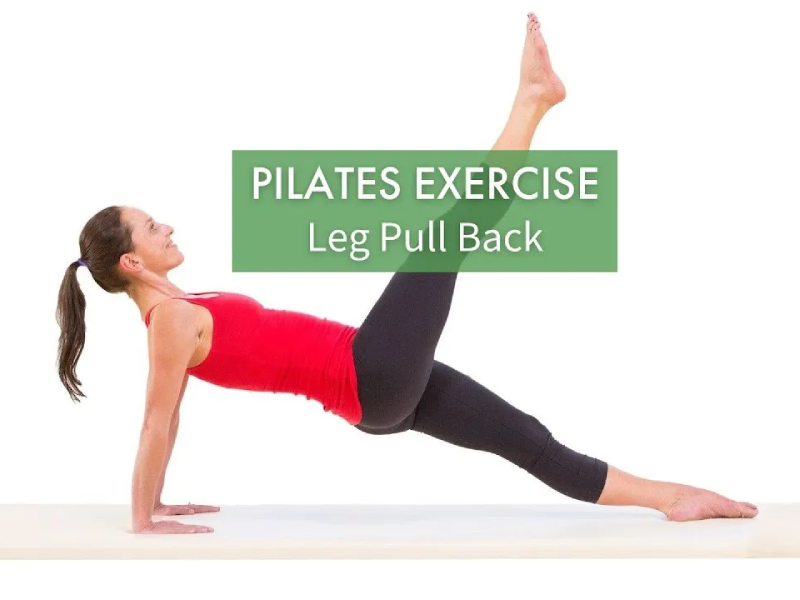
The Pilates Leg Pull Back is one of the 34 original Pilates exercises.
Pilates Leg Pull Back not only enhances overall physical conditioning but also supports proper posture, flexibility, and movement control, making it suitable for practitioners with a solid Pilates foundation who want to elevate their training quality.
Benefits of the Leg Pull Back Exercise
The Leg Pull Back exercise offers a wide range of specific benefits:
1. Muscle Strengthening
The Leg Pull Back exercise focuses on strengthening and toning key muscle groups such as the abdominal muscles, lower back, and hamstrings. When pulling the leg backward, you will feel muscular engagement in these areas, helping them become stronger and more defined. This development not only enhances physical appearance but also improves overall strength and endurance.
2. Improved Flexibility
One of the major benefits of the Pilates Leg Pull Back exercise is improved flexibility. As the leg extends backward, the hamstrings and lower back are stretched, increasing flexibility and joint
mobility. This is especially important for individuals who sit for long periods or have limited physical activity, helping prevent stiffness and muscle discomfort.
3. Balance and Body Control
The Leg Pull Back requires a combination of strength and control to maintain balance throughout the movement. Balancing on one leg while extending the other backward enhances body awareness and stability. This improvement can translate into daily activities, helping you move with greater confidence and fluidity.
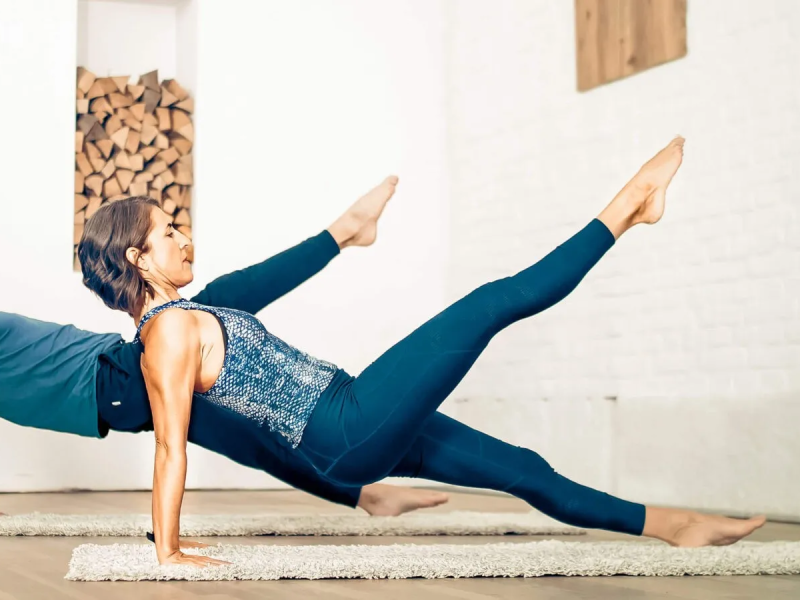
Benefits of the Leg Back exercise.
4. Enhanced Core Strength
Core strength is the foundation of all body movements. The Pilates Leg Pull Back exercise places strong emphasis on strengthening core muscles, including the abdominals and lower back. As these muscles become stronger, they better support the spine and help improve posture. A strong core also reduces the risk of injury and lower back pain.
5. Posture Improvement
Proper posture plays a vital role in maintaining musculoskeletal health and preventing back problems. The Leg Pull Back strengthens the lower back and abdominal muscles two key muscle groups responsible for postural alignment. When performed with correct technique, this exercise helps improve posture and reduces stress and pressure on the spine.
6. Stress Reduction and Mood Enhancement
Like many Pilates exercises, the Leg Pull Back helps reduce stress and improve mood. Focusing on precise movement and breathing during the exercise encourages mental relaxation and stress relief. Regular practice can contribute to improved overall mental well being, creating a sense of calm and relaxation.
With its comprehensive benefits from muscle strengthening and flexibility to balance, control, and stress reduction the Leg Pull Back exercise is an essential component of any Pilates training program. When performed consistently and with proper technique, it delivers noticeable improvements in overall health and physical condition.
How to Perform the Leg Pull Back Exercise
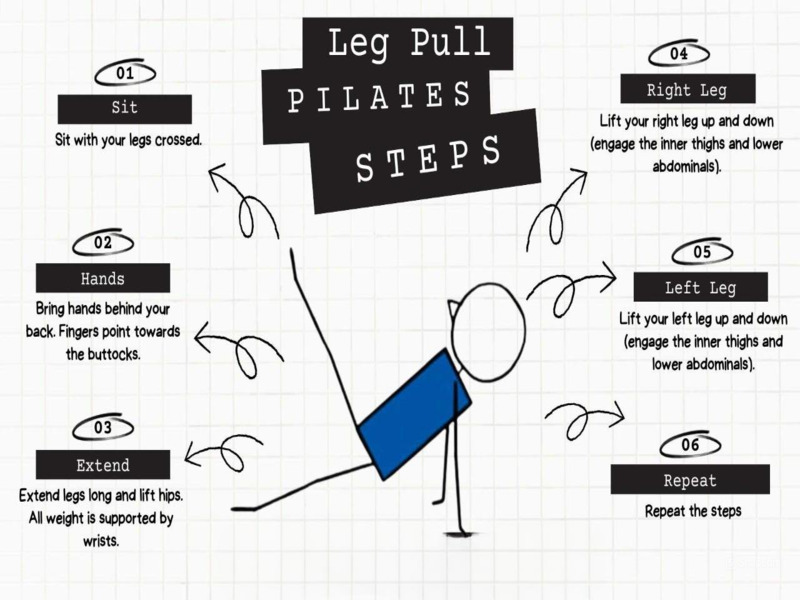
Below are the steps to perform the Pilates Leg Pull Back exercise correctly:
How to perform the Leg Pull Back exercise.
- Sit with both legs extended straight in front of you.
- Place both hands behind you on the mat, shoulder width apart, with fingers pointing toward your heels.
- Lift both hips off the mat, forming a straight line from shoulders to ankles.
- Extend the right leg off the mat toward the body, flex the foot, and place it back down on the mat. Repeat on the opposite side.
- Finish the movement by lowering both hips back down onto the mat.
Important Considerations and Contraindications for the Pilates Leg Pull Back Exercise
Who Should Practice This Exercise
- Individuals seeking to improve core strength: Ideal for those looking to strengthen the
- abdominals, lower back, and improve posture.
- Those aiming to increase flexibility: The Leg Pull Back helps stretch the hamstrings and lower back, making it suitable for improving overall flexibility.
- Practitioners focusing on balance and control: This exercise enhances balance and body control, benefiting individuals who want greater stability and coordination.
Who Should Be Cautious
- People with back injuries: If you have back conditions such as herniated discs or chronic back pain, consult a doctor or medical professional before performing this exercise.
- Individuals with knee issues: The Leg Pull Back can place pressure on the knee joints. Those with knee problems should proceed carefully and modify the movement to avoid further strain.
- Beginners: Those new to Pilates or unfamiliar with this exercise should practice under the guidance of a qualified instructor to ensure proper technique and prevent injury.
Although the Pilates Leg Pull Back exercise offers numerous benefits, it must be performed with care and correct technique. Understanding key precautions and contraindications will help you train safely and effectively, minimize injury risk, and achieve the best possible results for your health and fitness.