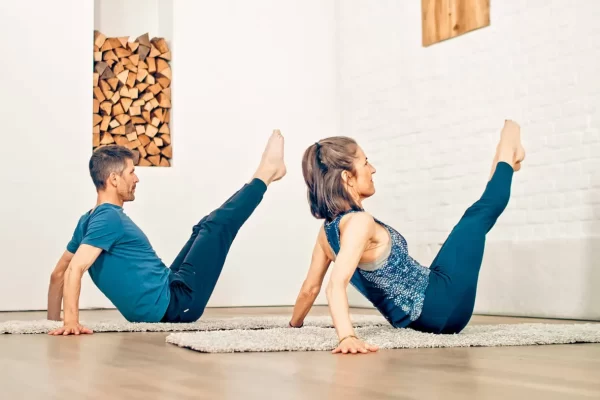


Pilates Flat Exercise on Ladder Barrel and Spine Corrector: A Complete Step-by-Step Guide
30/01/2026The Pilates Flat exercise on the Spine Corrector and Ladder Barrel is an effective method for improving posture while strengthening the abdominal and lower back muscles. With their uniquely supportive designs, these Pilates apparatuses help lengthen the spine while enhancing balance and overall flexibility. Let’s explore how to perform the Pilates Flat exercise correctly on each piece of equipment in the detailed guide below.
What Is the Pilates Flat Exercise?
Pilates Flat is an exercise that focuses on maintaining the spine in a neutral position while performing slow, controlled movements of the legs, arms, and torso. This exercise emphasizes activating the core muscle group, strengthening the abdominal and lower back muscles, and supporting proper posture and spinal alignment.
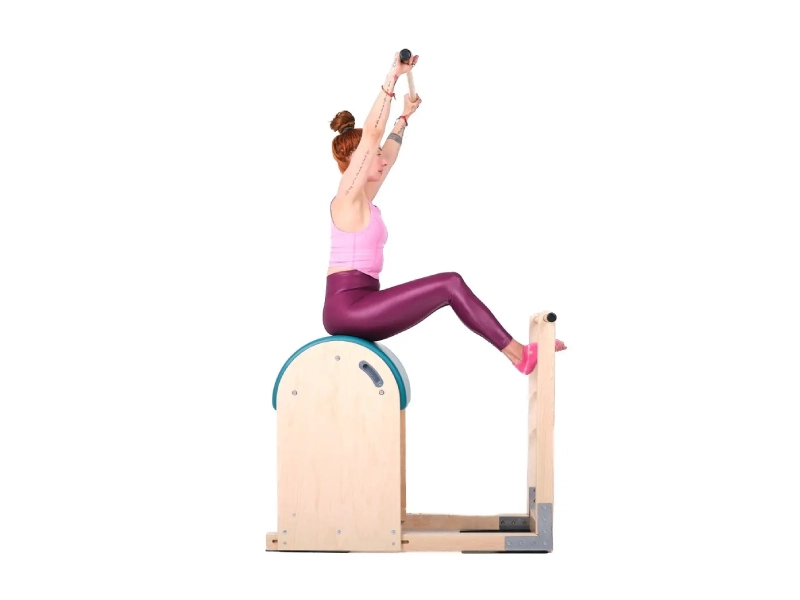
The Pilates Flat exercise is performed on a Ladder Barrel.
The Pilates Flat exercise can be performed on both the Ladder Barrel and the Spine Corrector. These apparatuses are specifically designed to assist spinal extension and flexibility while safely enhancing core strength and movement control.
Key Benefits of the Pilates Flat Exercise
When practiced regularly, the Pilates Flat exercise offers numerous benefits for the body, including:
Improving Posture and Spinal Alignment
With natural support for the back and lumbar region, both the Ladder Barrel and Spine Corrector allow practitioners to clearly feel improvements in posture. Consistent practice helps maintain the spine’s natural curves and reduces the risk of rounded shoulders, uneven posture, or spinal deviation.
Strengthening the Abdominal and Lower Back Muscles
Pilates Flat is highly effective in activating the core muscles. When performed on the Ladder Barrel or Spine Corrector, the exercise requires precise control of the abdominal and lower back muscles, improving trunk stability and overall strength.
Enhancing Flexibility and Range of Motion
Both devices enable deeper, more expansive movements that increase mobility in the shoulders, hips, and spine. This not only enhances flexibility but also helps reduce the risk of injury.
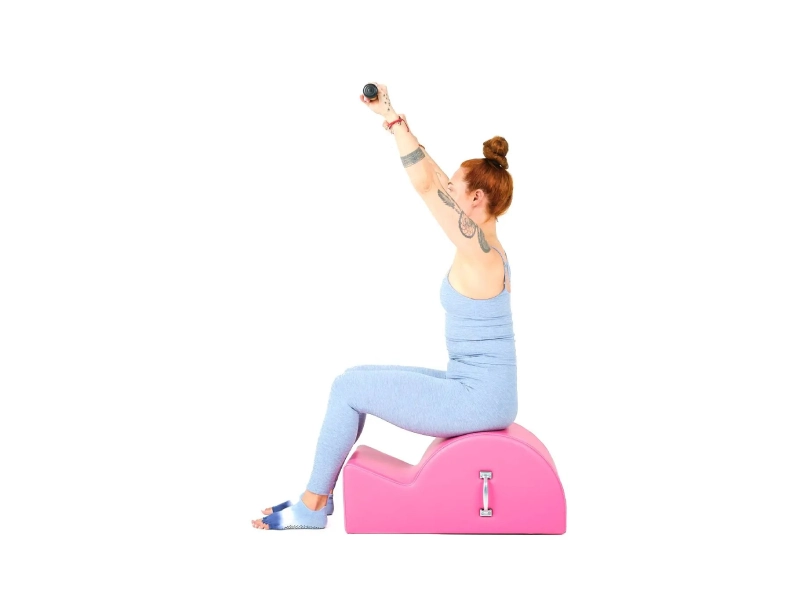
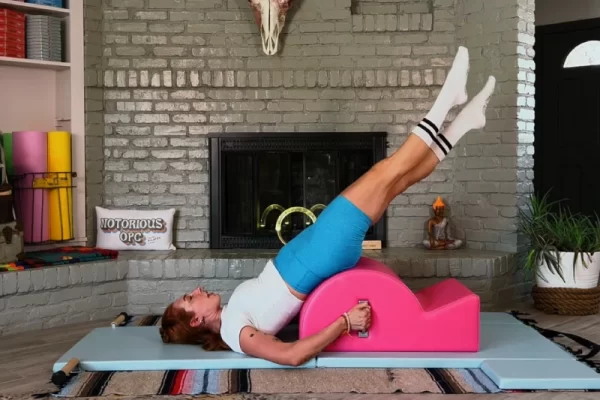
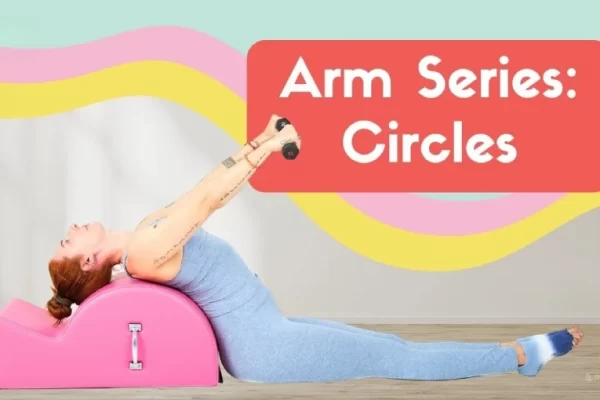
The Pilates Flat exercise is performed on a Spine Corrector.
Reducing Back Pain and Muscle Tension
For individuals who sit for long periods or experience lower back discomfort, the Pilates Flat exercise provides gentle, controlled movements that help release muscle tension and reduce spinal compression.
Comparing the Pilates Flat Exercise on Ladder Barrel and Spine Corrector
The Pilates Flat exercise can be performed effectively on both the Ladder Barrel and the Spine Corrector. However, each apparatus offers a distinct training experience suited to different goals and experience levels. Below are the key differences to consider when choosing between the two.
| Criteria | Ladder Barrel | Spine Corrector |
| Elevation and Body Support | Taller and more stable design, providing strong support for deeper backward extension movements. | Lower height allows practitioners to focus more on movement control and clearly feel core engagement. |
| Sense of Control and Stability | Requires higher levels of control, as you must self-adjust posture and maintain precise balance. | Easier to control movements due to the lower height and the ability to keep the feet grounded. |
| Foot Placement and Sitting Position | Feet are typically placed on the ladder rungs; knees may be bent or extended depending on height, helping stabilize the lower body. | Feet are placed on the floor and push downward while creating opposing resistance, strongly activating the hamstrings and lower abdominals. |
| Difficulty Level of the Flat Movement | More challenging, as stability must be maintained throughout the entire movement chain without tipping or misalignment. | Slightly easier due to a more secure base of support. |
| Muscle Activation Focus | Greater activation of the core muscles (abdominals and lower back) due to the need for refined movement control. | Less intense core activation; more suitable for beginners or those adapting to seated movement patterns. |
Step by Step Guide to Performing Pilates Flat on the Spine Corrector
To achieve optimal spinal extension and strengthen the abdominal and lower back muscles, it is essential to perform the Pilates Flat exercise on the Spine Corrector with proper technique. Follow the steps below carefully:
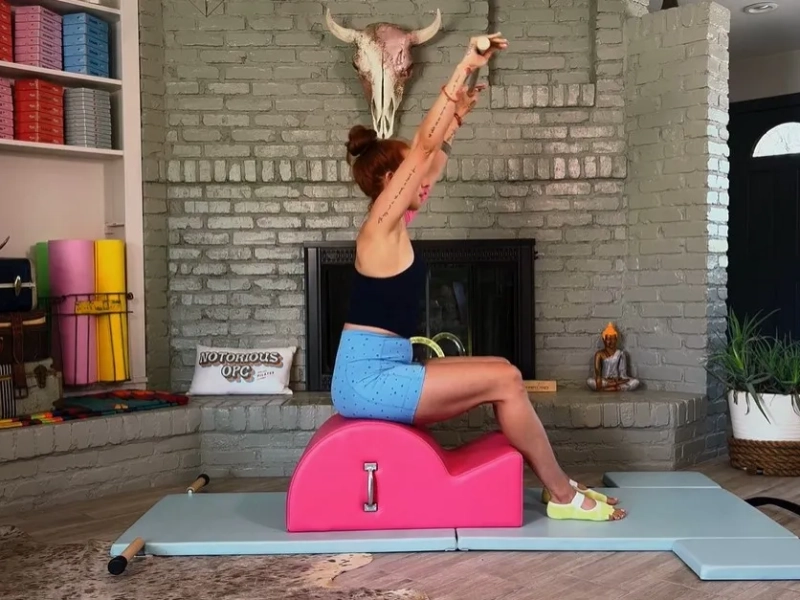
Perform the Pilates Flat Exercise on the Spine Corrector.
- Sit on the highest point of the Spine Corrector, with both feet placed on the floor or the front support step. Depending on your leg length, you may draw your heels closer to the barrel. If your feet do not reach comfortably, place them slightly farther away and press the feet into the floor while imagining a backward pulling action to create resistance.
- Hold a long wooden dowel with both hands and extend your arms straight overhead, positioning them just in front of the ears. Keep the wrists and elbows naturally extended without locking the joints. Gently reach the arms outward and feel the lift originating from the center of the body.
- Initiate the movement by lifting upward from the lower abdomen, then gently lean the torso backward. Allow the front of the hips to open as you extend.
- Return to an upright seated position, coming back to the starting posture. Repeat the movement.
- Perform 5-10 repetitions, focusing on the sensation of spinal lengthening and expansion.
How to Perform the Pilates Flat Exercise on the Ladder Barrel
Pilates Flat on the Ladder Barrel is best suited for individuals with prior Pilates experience who are looking to challenge their body control through more advanced movements. This variation is ideal for those seeking greater complexity and intensity in their Pilates routine.
1. Starting Position
- Sit on top of the Ladder Barrel with your feet securely placed on the horizontal rung. Keep the knees slightly bent and stable.
- Hold the front rung with both hands, positioning them wider than shoulder-width apart. Keep the wrists straight, shoulders relaxed, and supported through the upper back.
- Direct your gaze forward or focus on the tip of your nose, maintaining a tall, upright spine.
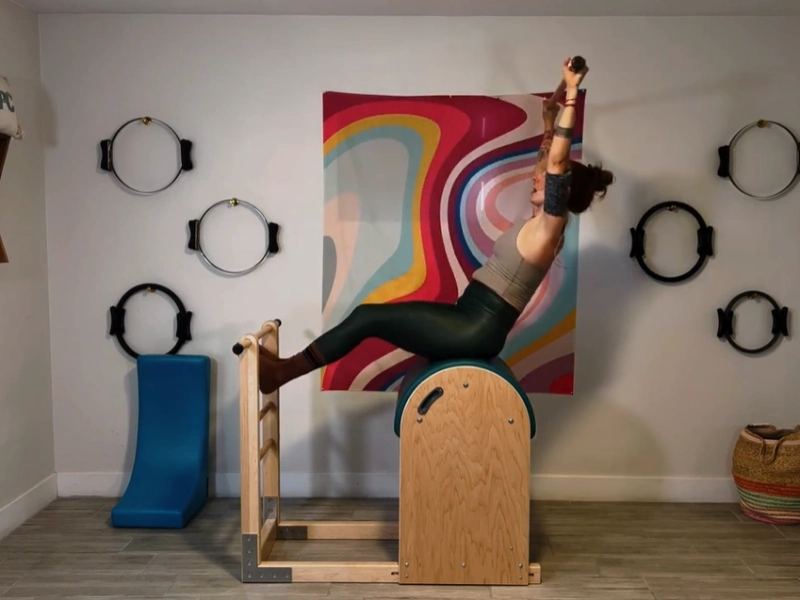
Perform the Pilates Flat Exercise on the Ladder Barrel.
2. Leaning Back Movement
- Inhale to lengthen the spine and lift the torso upward.
- Exhale as you slowly lean backward, moving as one unified unit without rounding the back or collapsing the abdomen.
- Maintain steady eye focus and control the movement from the core throughout the motion.
3. Returning to the Starting Position
- Inhale and engage the core and posterior leg muscles to lift the body back to the upright seated position.
- Avoid creating a wave-like motion or pushing through the lower back; keep the spine long and stable as you rise.
4. Repetition
Perform the exercise 3–5 times, maintaining precise control and proper alignment throughout each repetition.
Tips for Beginners Practicing Pilates Flat
If you are new to the Pilates Flat exercise on the Ladder Barrel or Spine Corrector, the following tips will help you practice more safely and effectively:
- Warm up gently: Always perform a proper warm-up to prepare the muscles and reduce the risk of injury.
- Focus on the core: Prioritize abdominal and lower back engagement rather than excessive hip movement or spinal compression.
- Move slowly and with control: Avoid rushing. Perform each movement smoothly while maintaining steady breathing.
- Use mirrors or instructor guidance: Practicing in front of a mirror or under the supervision of a qualified instructor helps ensure proper alignment and timely correction.
- Listen to your body: If you experience discomfort or pain, adjust the movement or stop. Pilates emphasizes mindful connection, not force.
By following this guide, you now have a clear understanding of how to perform the Pilates Flat exercise on both the Spine Corrector and Ladder Barrel safely and effectively. This exercise not only challenges muscular strength but also deepens body awareness and internal stability. Incorporate Pilates Flat into your regular routine and begin your training journey today.