

Pilates Flat Back on Reformer Exercise
29/01/2026If you are looking to enhance the effectiveness of your Pilates training, do not overlook the Pilates Flat Back on Reformer exercise. The combination of the Flat Back movement and the Reformer machine helps you build a toned, flexible, and stronger body day by day.
Introduction to the Flat Back on Reformer Exercise
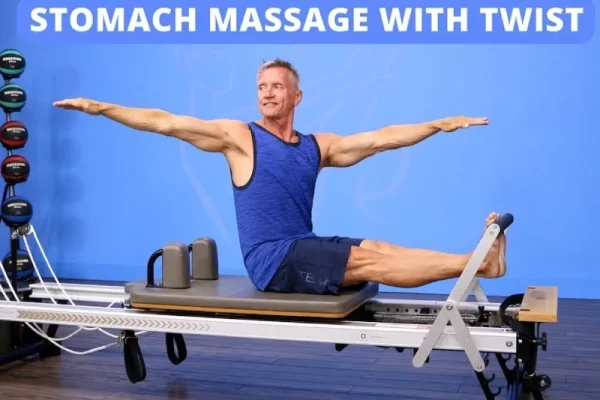
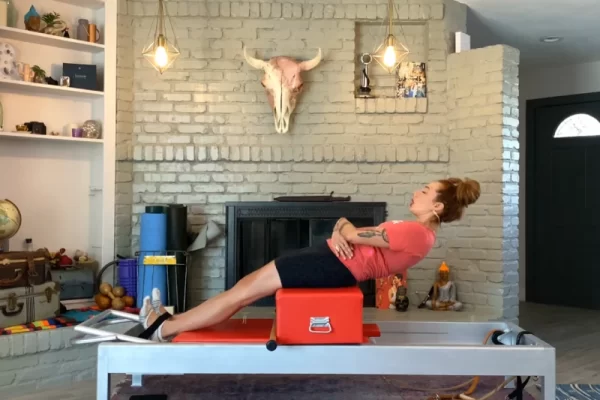
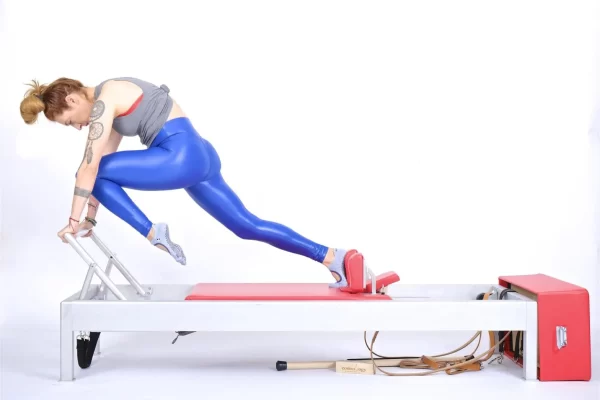
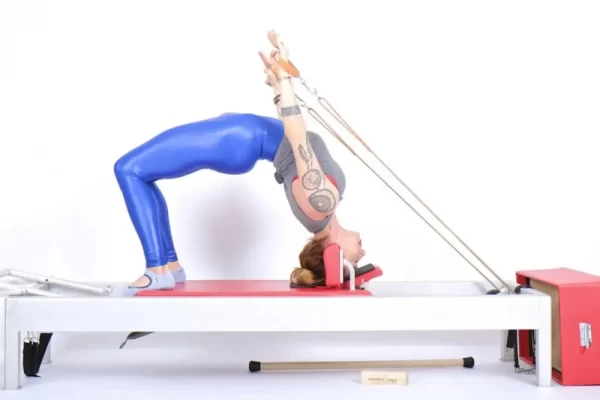
The Pilates Flat Back on Reformer exercise is one of the key movements designed to improve posture and strengthen the core muscles. The term “Flat Back” refers to maintaining a straight and stable spine throughout the movement, which helps support spinal alignment and protect the lower back.
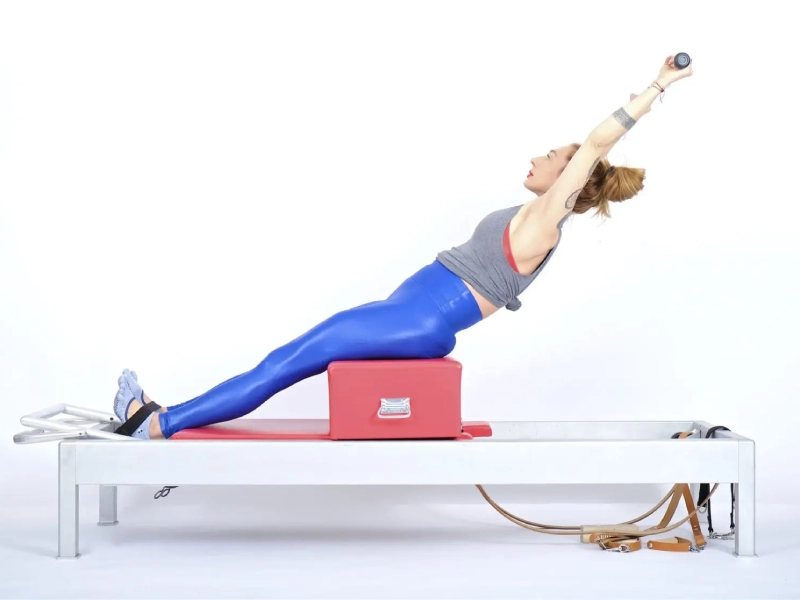
Flat Back on Reformer Exercise.
When combined with the Reformer machine, the Flat Back exercise allows practitioners to focus on stretching and strengthening muscles without worrying about losing balance or performing incorrect postures. This makes the Pilates Flat Back on Reformer exercise an ideal choice for both beginners and experienced Pilates practitioners.
Benefits of the Pilates Flat Back on Reformer Exercise
The Pilates Flat Back on Reformer exercise offers numerous health benefits, especially for spinal health and core muscle strength. Below are the key advantages of this exercise:
1. Improves posture and overall body balance
Flat Back requires maintaining a straight spine throughout the workout, which helps improve overall posture. With consistent practice, this exercise helps correct poor posture such as rounded or hunched backs, allowing you to stand and sit more correctly.
2. Strengthens core muscles
The Reformer machine, with its spring resistance system, helps practitioners focus on core muscles, including the abdominals, back muscles, and hip muscles. The combination of controlled breathing and stable posture strengthens these muscles, forming a solid foundation for overall body stability and strength.
3. Reduces back pain and supports spinal health
For individuals experiencing back pain, the Pilates Flat Back on Reformer exercise is a safe and effective option. This exercise helps reduce pressure on the spine, stretch and balance the muscles surrounding the back, thereby relieving pain and improving lower back health.
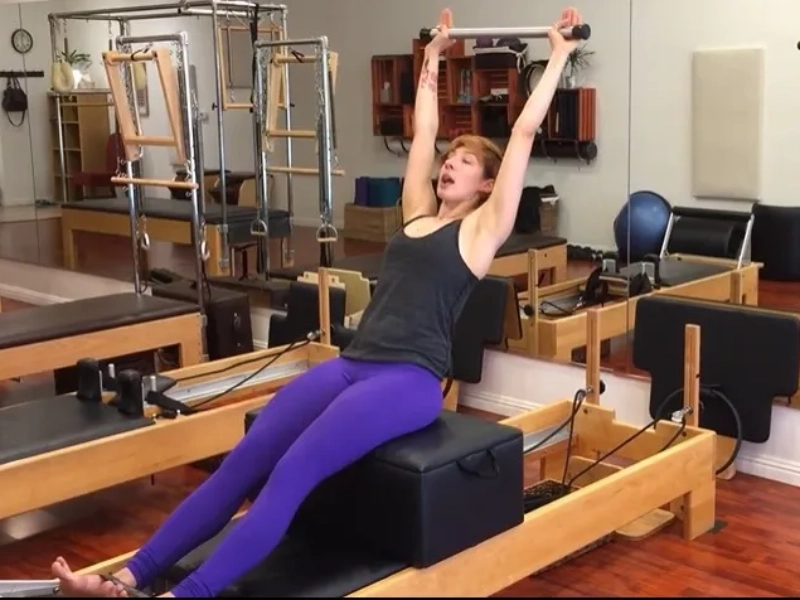
Benefits of the Flat Back exercise on the Reformer.
4. Suitable for all fitness levels
Pilates Flat Back on Reformer is suitable not only for experienced practitioners but can also be easily adapted for beginners. The Reformer allows users to adjust spring resistance based on their fitness level, enabling gradual progression without increasing the risk of injury.
5. Enhances body awareness and movement control
Practicing Flat Back requires careful control of each movement and breath, which improves body awareness. You will clearly feel each muscle group working, making the workout more effective while protecting the body from incorrect movement patterns.
How to Perform the Pilates Flat Back on Reformer Exercise
The Pilates Flat Back on Reformer exercise requires high concentration to maintain a straight spine and controlled movement. Follow the steps below to perform the exercise correctly:
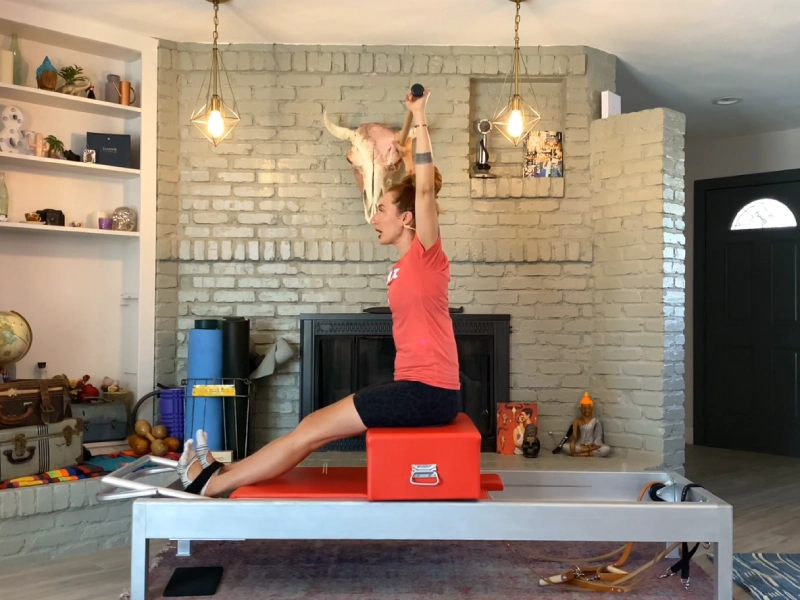
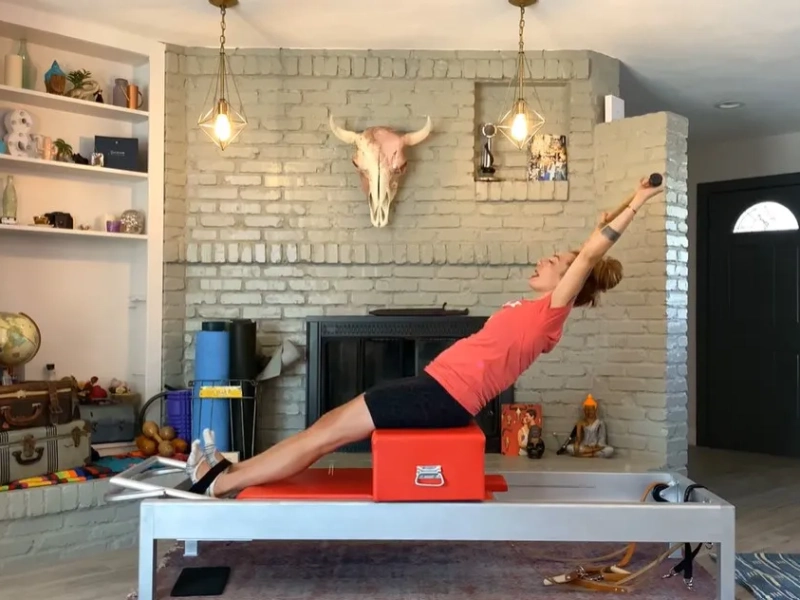
Steps to perform the Pilates Flat Back exercise on a Reformer.
- Sit on the Reformer carriage, facing the footbar.
- Place both feet on the footbar, hip-width apart, ensuring the feet and knees remain parallel.
- Before initiating movement, focus on breath control. Inhale through the nose, expand the lungs, and maintain a straight spine. Exhale through the mouth, engaging the abdominal muscles to stabilize the spine.
- As you exhale, slowly push the carriage away by extending the legs. Keep the back straight without rounding or bending. Feel the engagement in the thighs and abdominal muscles as the carriage moves.
- As you inhale, gently pull the carriage back to the starting position by bending the legs, while continuing to maintain a straight spine and relaxed neck.
- Repeat the movement several times, maintaining control and spinal stability throughout. Avoid lifting or tensing the shoulders.
- After completing the exercise, gently stretch and relax the muscles, especially the back and thighs.
Important Notes When Performing the Pilates Flat Back on Reformer Exercise
To achieve optimal results and avoid injury while practicing the Pilates Flat Back on Reformer exercise, keep the following important points in mind:
1. Maintain a straight spine and spinal stability
- Avoid rounding the back: The most important aspect of Flat Back is keeping the spine straight. Allowing the back to round or hunch can place excessive pressure on the spine and lead to injury.
- Neutral spine alignment: Ensure the spine remains in a neutral position, avoiding excessive lower back arching or shoulder tension. Maintaining spinal stability throughout the exercise helps maximize effectiveness and protect the lower back.
2. Control movement and breathing
- Slow and controlled movements: Although the Reformer provides spring assistance, movements should be slow and controlled. Avoid pushing the carriage too quickly or losing control.
- Breath coordination: Proper breathing is essential in Pilates. Inhale while preparing to move and exhale as you push the carriage, engaging the abdominal muscles to stabilize the spine. This enhances core stability and overall control.
3. Focus on core muscles
- Activate the abdominal muscles: To maintain a flat back, it is essential to activate the deep abdominal muscles (transverse abdominis) throughout the exercise. This not only protects the spine but also increases workout effectiveness.
- Avoid overloading the back: If you feel tension or pain in the back, it may indicate improper muscle engagement. Stop and adjust your posture, focusing on using the abdominal and hip muscles instead of the back.
4. Listen to your body
- Respect your limits: Every body has different limits. If you feel fatigued or experience pain, stop and rest. Avoid pushing beyond your capacity, as this may lead to injury.
- Pay attention to pain signals: Mild muscle soreness may be normal, but sharp pain in the back or neck is a warning sign. Stop immediately and reassess your posture and technique.
Through regular practice of the Pilates Flat Back on Reformer exercise, you can experience positive changes from within your body. Make this exercise a consistent part of your routine, and with patience and dedication, the results may pleasantly surprise you.