

Pilates Control Push Ups Back Exercise on the Reformer
20/01/2026The Pilates Control Push Ups Back exercise on the Reformer not only strengthens the core but also improves flexibility and balance. Let’s explore the details of how to perform it, its benefits, and mistakes to avoid for optimal results.
Introduction to the Pilates Control Push Ups Back Exercise on the Reformer
The Pilates Control Push Ups Back exercise on the Reformer is a variation of a traditional Pilates movement designed to build muscular strength while improving control and stability. Performed on the Reformer, one of the signature Pilates apparatus, this exercise requires slow, controlled movement and precise alignment, encouraging deep engagement of the correct muscle groups.
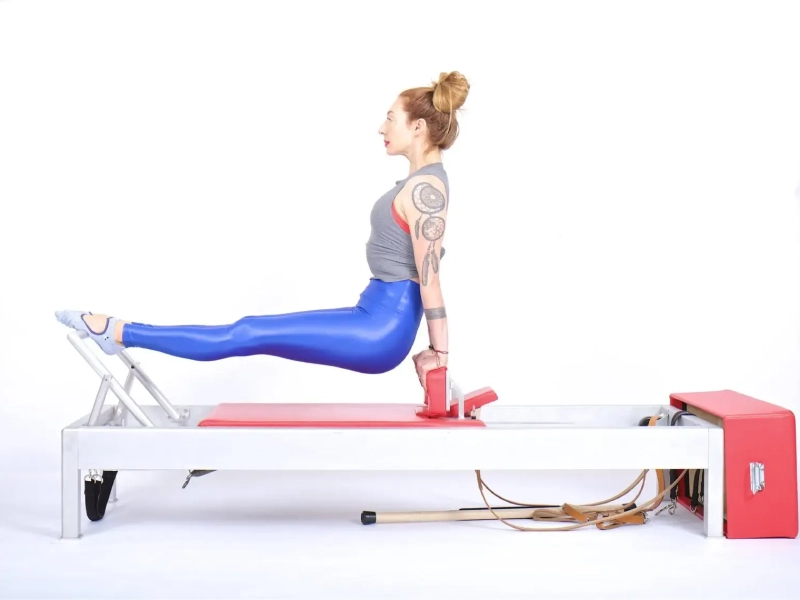
Pilates Control Push Ups Back Exercise on the Reformer.
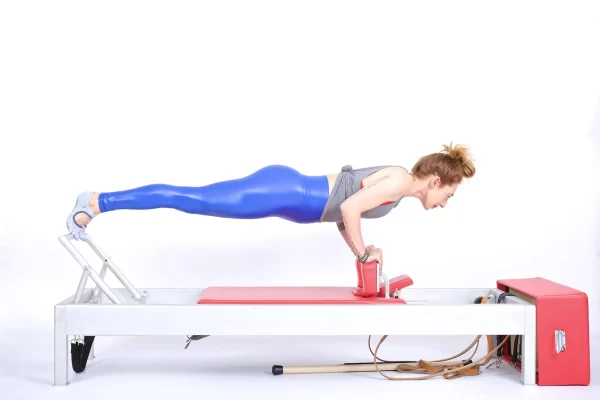
In this exercise, you begin in a plank position on the Reformer and then perform backward push up movements while maintaining abdominal and lower back stability. This not only develops strength in the chest, shoulders, and arms but also enhances flexibility and muscular control throughout the entire body.
Control Push Ups Back is especially beneficial for those looking to improve core strength and balance while reducing the risk of injury during sports training or daily activities. It is an excellent choice for challenging yourself and achieving more comprehensive health and fitness goals.
Benefits of Practicing Pilates Control Push Ups Back on the Reformer
Below are the key benefits of the Pilates Control Push Ups Back exercise on the Reformer:
1. Strengthens the Core Muscles
This exercise activates and strengthens the abdominal muscles, lower back, and hips, the core muscle groups responsible for maintaining overall body stability. A stronger core enhances body control in daily activities and other workouts.
2. Improves Arm and Shoulder Strength and Endurance
During the backward push up movement, the chest, shoulders, and arms work intensely to lift and lower the body, helping build both strength and muscular endurance.
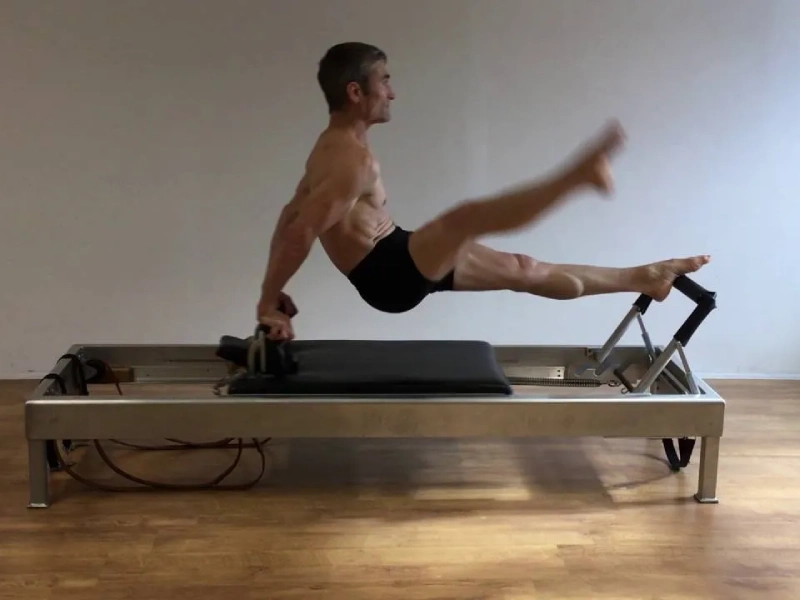
The Pilates Control Push Ups Back exercise on a Reformer offers many benefits to the body.
3. Enhances Flexibility and Muscular Control
The exercise requires smooth, controlled movement throughout the entire range of motion, improving flexibility in the muscles and joints while enhancing neuromuscular control.
4. Improves Balance and Coordination
Performing this exercise on the Reformer challenges balance and coordination, as multiple muscle groups must work together to maintain stability and precision.
5. Increases Focus and Body Awareness
Pilates Control Push Ups Back on the Reformer demands high concentration to maintain correct posture and movement accuracy, helping improve focus and proprioception.
6. Supports Weight Loss and Toning
As part of a comprehensive Pilates workout, this exercise helps burn calories and build lean muscle, especially in the arms, shoulders, chest, and core.
How to Perform Pilates Control Push Ups Back on the Reformer
Follow these steps to perform the Pilates Control Push Ups Back exercise on the Reformer correctly and safely.
Equipment Setup
- Set 1-2 medium or heavy springs, depending on your experience level and training goals.
- Position the footbar in a high setting, ensuring it is secure.
Basic Execution Steps
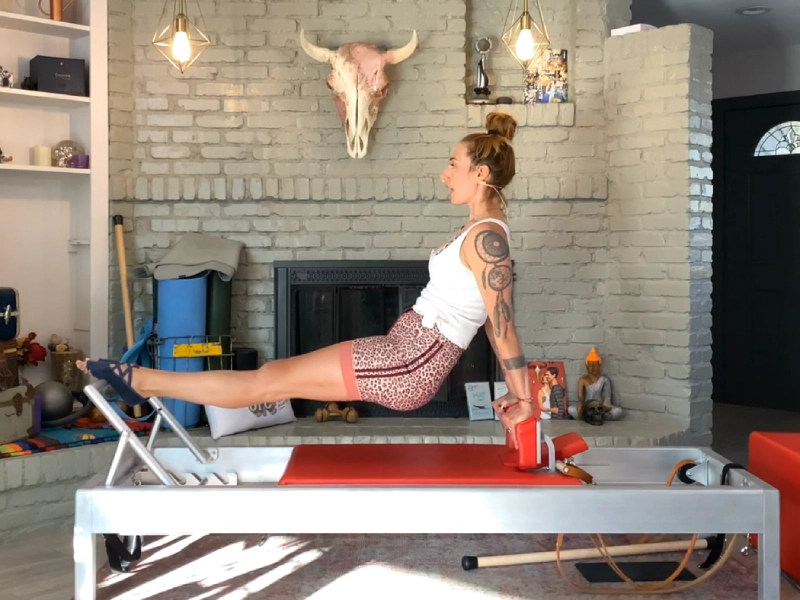
Perform Pilates Control Push Ups Back on the Reformer.
- Starting position: Face the footbar. Place both hands firmly on the shoulder blocks, with the toes or soles of the feet on the footbar. Keep the spine neutral, chest open, and core engaged.
- Carriage movement: Inhale to prepare. Exhale and use the strength of your back and core to push the carriage backward. Keep the spine long, avoiding lower back arching or shoulder elevation. Inhale as you return the carriage to the starting position with control.
- Repetitions: Perform 3–5 repetitions, focusing on movement quality rather than quantity.
Advanced Variations
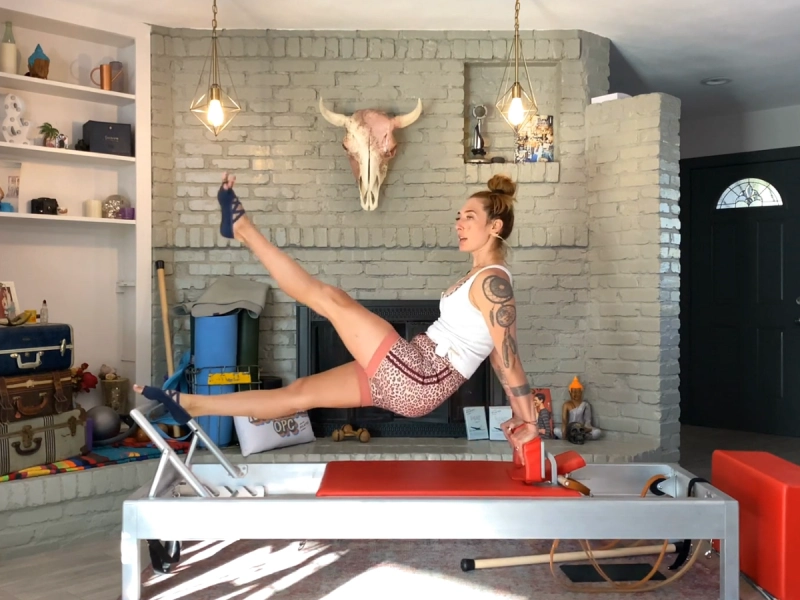
The upward leg kicking variation.
- Leg lift: As you push the carriage back, lift one leg toward the ceiling while maintaining balance and core control. Alternate legs with each repetition.
- Leg circles: While the carriage is moving, perform controlled circular movements with the leg to increase the challenge for the abdominal and hip muscles.
- Upper body dips: Hold the carriage in the extended position and gently bend and straighten the elbows, targeting the triceps and shoulders. Repeat 3–5 times.
Finish the session with gentle stretching, especially for the shoulders, chest, and lower back, to release tension and improve flexibility.
With these detailed instructions, you can safely and effectively perform the Pilates Control Push Ups Back exercise on the Reformer. Focus on maintaining control and balance throughout the movement to achieve optimal results.
Common Mistakes and How to Correct Them
1. Sagging or Rounded Back and Elevated Shoulders
A common mistake is allowing the back to sag or round, with shoulders lifting toward the ears. Correction: Lengthen the spine, keep the shoulders away from the ears, and maintain an open chest.
2. Elbows Flaring Out Too Wide
Many practitioners allow the elbows to flare outward during the push-up, reducing effectiveness and increasing shoulder strain. Correction: Keep the elbows close to the body to better engage the chest and arms while protecting the shoulder joints.
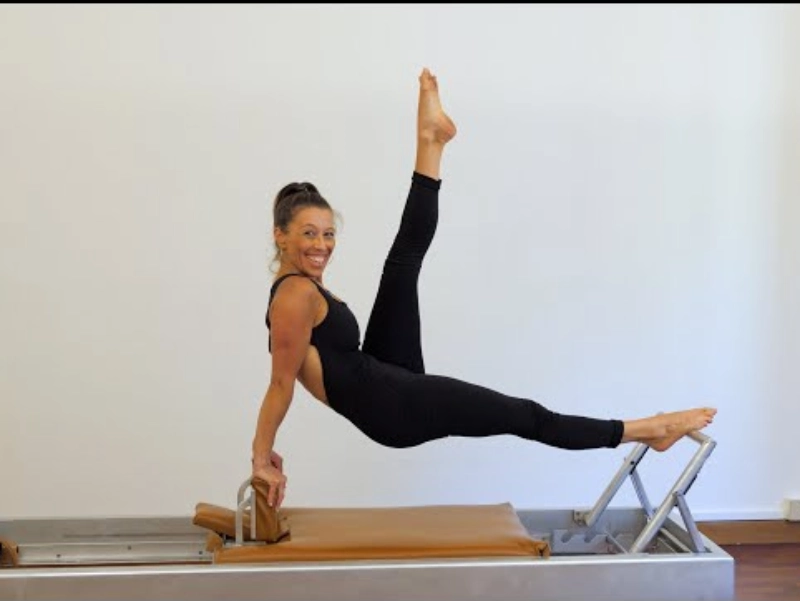
Some common mistakes when performing the Pilates Control Push Ups Back exercise on a Reformer.
3. Using the Lower Back Instead of the Core
Relying on the lower back rather than the core can lead to discomfort or injury.
Correction: Gently draw the abdominal muscles inward and use core engagement to support the movement.
4. Moving Too Fast Without Control
Fast, uncontrolled movement can cause loss of balance and reduced muscle engagement.
Correction: Move slowly and deliberately to improve control and feel the working muscles more clearly.
5. Improper Breathing Coordination
Incorrect breathing may reduce oxygen intake and workout efficiency.
Correction: Inhale as you lower the body and exhale as you push back to the plank position. Coordinated breathing enhances control and reduces muscle tension.
With its wide range of benefits, the Pilates Control Push Ups Back exercise on the Reformer is an ideal choice for improving strength, flexibility, balance, and body control. Regular practice will lead to noticeable physical and mental improvements over time.