

How Pilates Helps Maintain Movement and Mobility
10/12/2025In today’s busy world, maintaining a consistent movement routine is not always easy. However, Pilates has become an ideal method to keep the body flexible and strong. So, how Pilates help maintain movement? This article will help you understand how this method supports and enhances your body’s overall mobility.
What Does Maintaining Movement in Pilates Mean?
Maintaining movement in Pilates means preserving the joy of moving with ease, efficiency, and control.
According to Joy Puleo, Director of Education at a Pilates program in Sacramento, California, mobility is more than simply being able to move your body. She explains: “For athletes or performers, movement is essential for developing technique and strength in their desired activity. For everyday people who work all day, train when they can, and relax at night, maintaining mobility helps you stay healthy longer, remain active throughout life, and engage in physical activities with the world around you”.
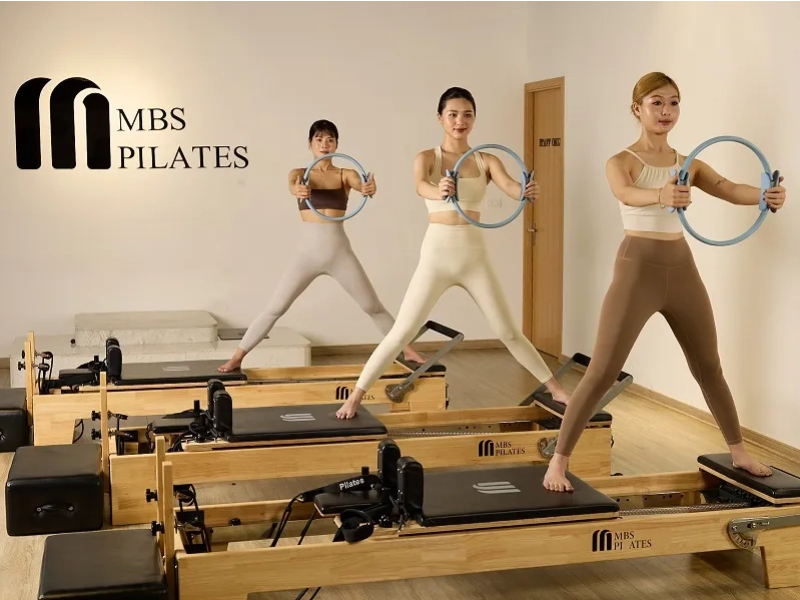
Maintaining physical activity will benefit your health in the long run.
Pilates is often associated with celebrities and influencers who showcase a lean, toned figure. However, aesthetics are just a small part of the many benefits Pilates brings.
In reality, those recovering from injuries or seeking to improve mobility are often the biggest advocates of Pilates. Erin Wilson, a Pilates instructor in Santa Barbara, California, shares: “Nothing makes us more aware of the difference between how we look and how we actually feel than getting injured or sick. Having a six pack or lifting heavy weights means nothing if you can’t even bend down to tie your shoes”.
“Many people come to Pilates hoping to improve their core, achieve a six pack, or get a toned body. But it’s the movement performed correctly that truly restores the body’s functional abilities”, says Claire Sparrow, a Pilates instructor in Leeds, UK. “By performing Pilates exercises with precision, we not only improve our physique and aesthetics but also achieve real, functional mobility”.
How Pilates Helps Maintain Movement
One of the unfortunate realities of modern life is that most of us move far less than previous generations. Technology, labor saving devices, and heavy reliance on cars are major contributing factors. Pilates instructor Claire Sparrow explains: “That’s why so many people develop a ‘sitting body’ posture”.
But it is never too late to change this. The body has the ability to recover and movement is the way to activate that ability.
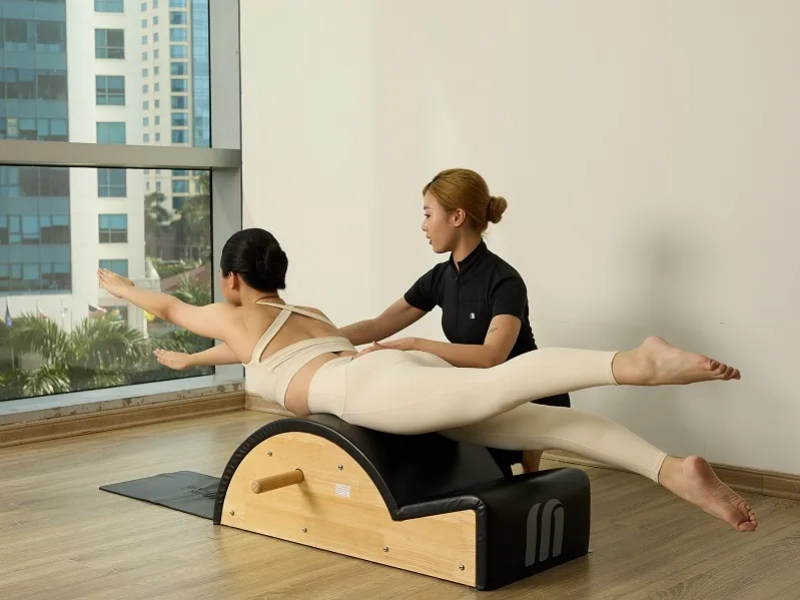
How does Pilates help maintain mobility?
“One of the incredible benefits of Pilates is that it restores mobility for those who lack it and does so brilliantly. Pilates works through every nook and cranny of the body, helping all ages achieve greater range of motion for easier daily activities”.
Pilates emphasizes training the body as a complete system, including the small stabilizing muscles that are often overlooked in traditional workouts. For these smaller muscles to work effectively and support the joints, they need adequate hydration and flexibility.
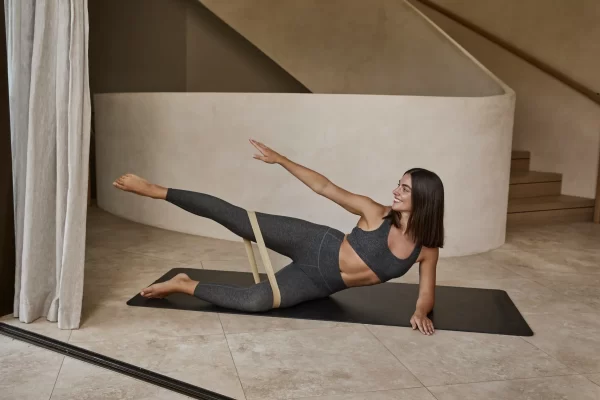
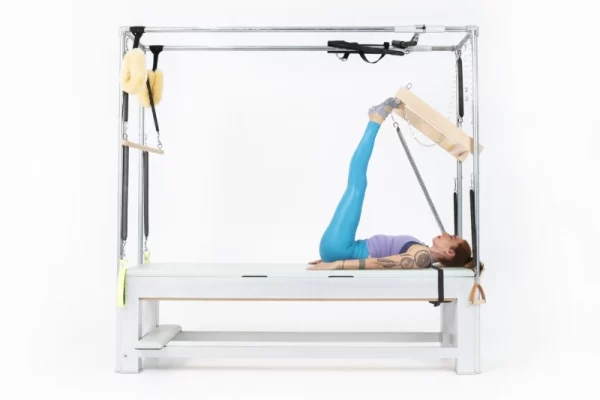
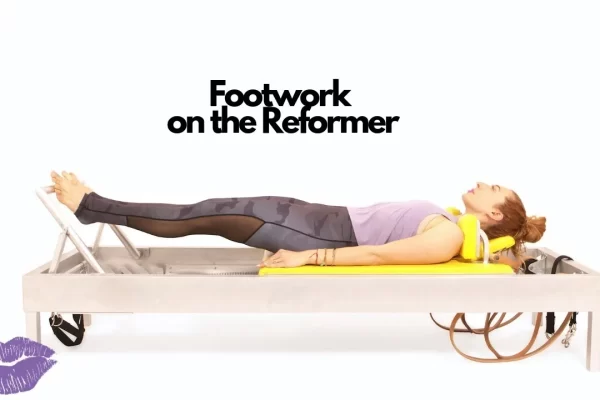
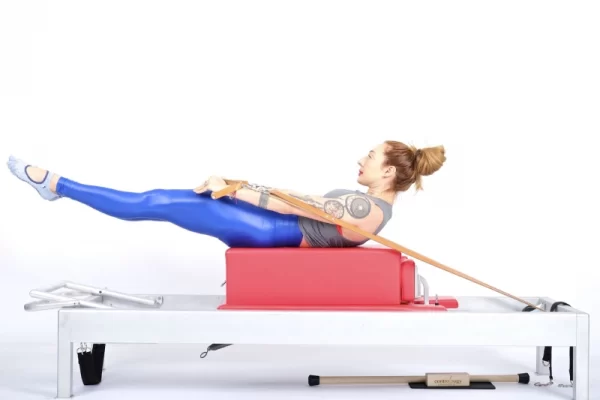
Pilates is powerful in maintaining mobility. Whether you practice on the mat, the Reformer, or other Pilates apparatus, you’re not only moving your joints but also stimulating tissues throughout the entire body. These movements activate the nervous system, boost circulation, deliver nutrients and hydration to tissues, and help regulate carbon dioxide and oxygen levels through breath control.
Flexibility and Stability – The Foundations of Effective Movement
Mobility alone is not enough. We need both stability and flexibility. Pilates excels at building both.
The mobility of the joints depends on a solid foundation. Pilates always begins with training the stabilizing muscles of the body. This ensures that movement around these muscles occurs freely and smoothly.
Pilates helps the body move comfortably in every direction, following natural movement patterns. It provides a system for achieving balance among muscles and joints, and consistent practice allows you to monitor your progress over time.
How Do You Know If You’re Moving Effectively?
The human body constantly changes, adapts, and responds to the world around us, along with the demands we place on it. As a result, the mobility of our spine, joints, and tissues also shifts over time.
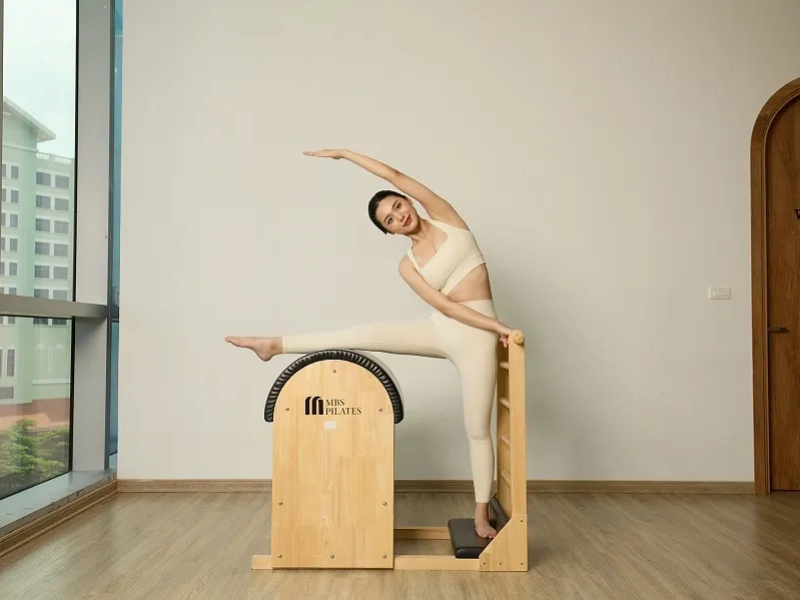
How can we measure the body’s performance?
Mobility can be measured using a device called a goniometer, which assesses joint range of motion across different movement planes. We can also evaluate mobility by performing movements such as touching your toes or practicing the Cat/Cow exercise to observe spinal flexibility. Mobility can also be assessed through ease of movement, joy in motion, enthusiasm during exercise, and the desire to return to your practice because of how good your body feels afterward.
After exploring how Pilates help maintain movement, it’s clear that this method offers numerous physical and health benefits. Whether you are a beginner or an experienced practitioner, Pilates can help you improve and maintain mobility. Stay consistent and committed to your practice to achieve the best results from this transformative method.